

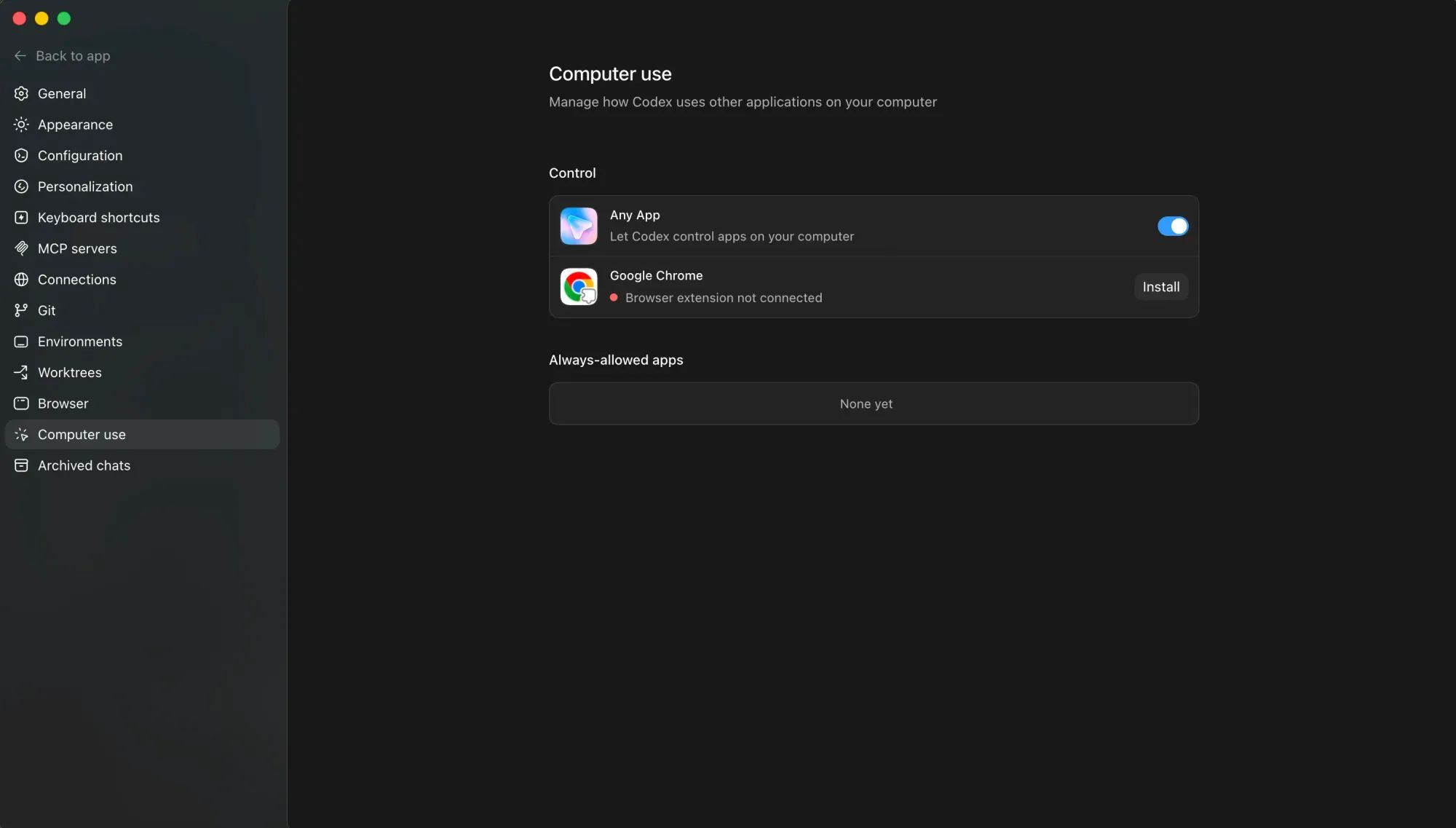
OpenAI is continuing to expand Codex into a full operating surface for developers, with the latest update shipping a Chrome extension that lets the agent run a connected browser instance independently of the user’s active session. Available through the Plugins menu in Codex, the extension gives the agent its own tab groups so it can test web apps, gather context across signed-in sites like Salesforce, Gmail, or LinkedIn, and use Chrome DevTools without taking over the user's windows.
Codex now works directly in Chrome on macOS and Windows.
— OpenAI (@OpenAI) May 7, 2026
It’s even better at working with apps and sites in Chrome, and now works in parallel across tabs in the background without taking over your browser.
To get started, install the Chrome plugin in the Codex app. pic.twitter.com/pjtHd9gC69
That isolation is the practical advantage over general computer-use approaches, since it limits the risk of the agent disrupting an active workflow. The plugin rolled out on both macOS and Windows and follows a recent push to position Codex as a daily driver for engineers and knowledge workers alike, with weekly active users reportedly crossing four million.
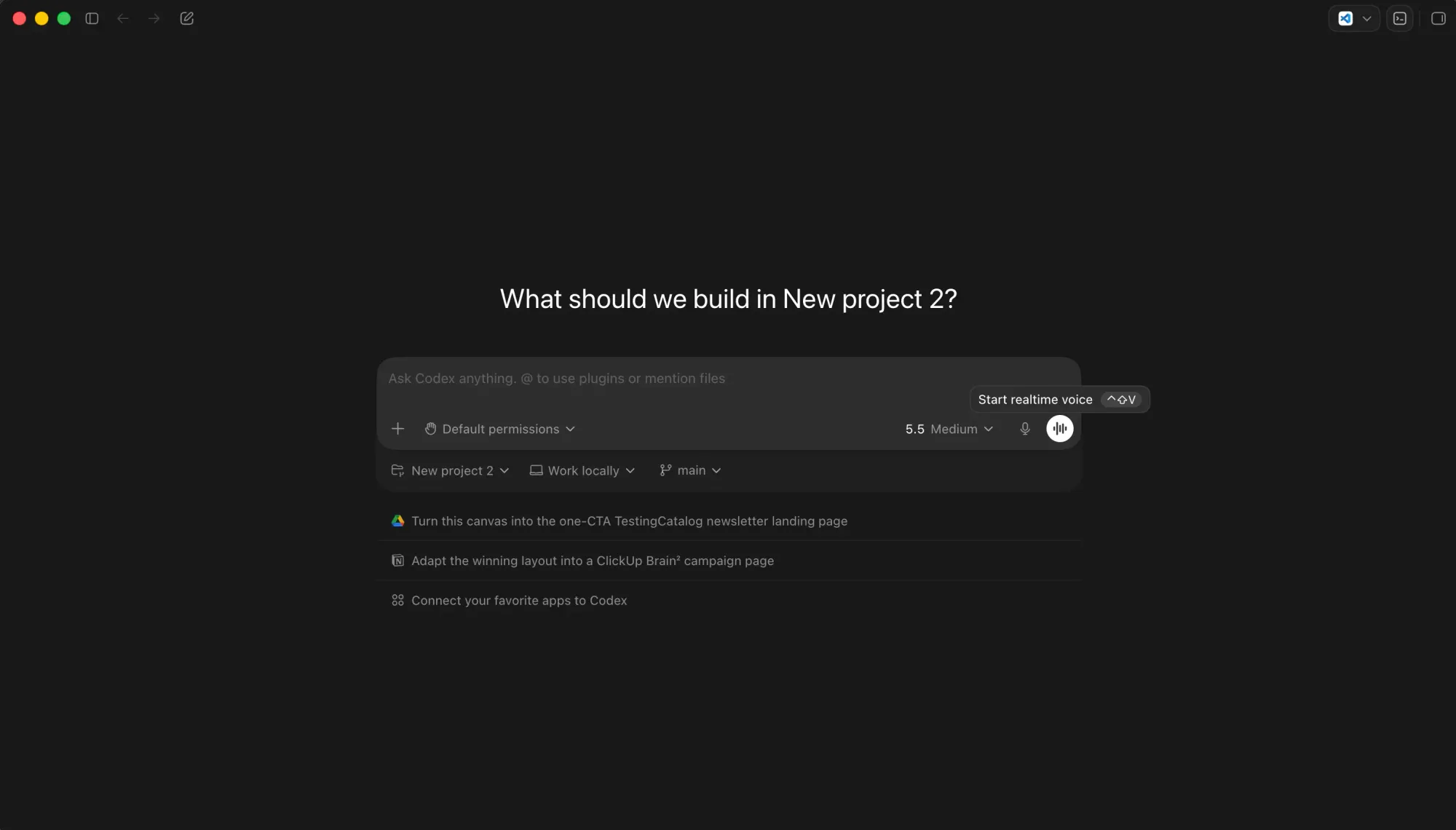
Beyond the browser, two further directions are quietly maturing. Voice mode has been in testing for some time and is now positioned to benefit from the freshly released GPT-Realtime-2, the company’s first speech model with GPT-5-class reasoning, a 128K context window, and configurable reasoning levels. While GPT-Realtime-2 is already live in the API, its arrival inside ChatGPT and Codex appears close, with timing potentially aligned around the Google I/O window on May 19–20, mirroring OpenAI’s historical pattern of countering rival keynotes.
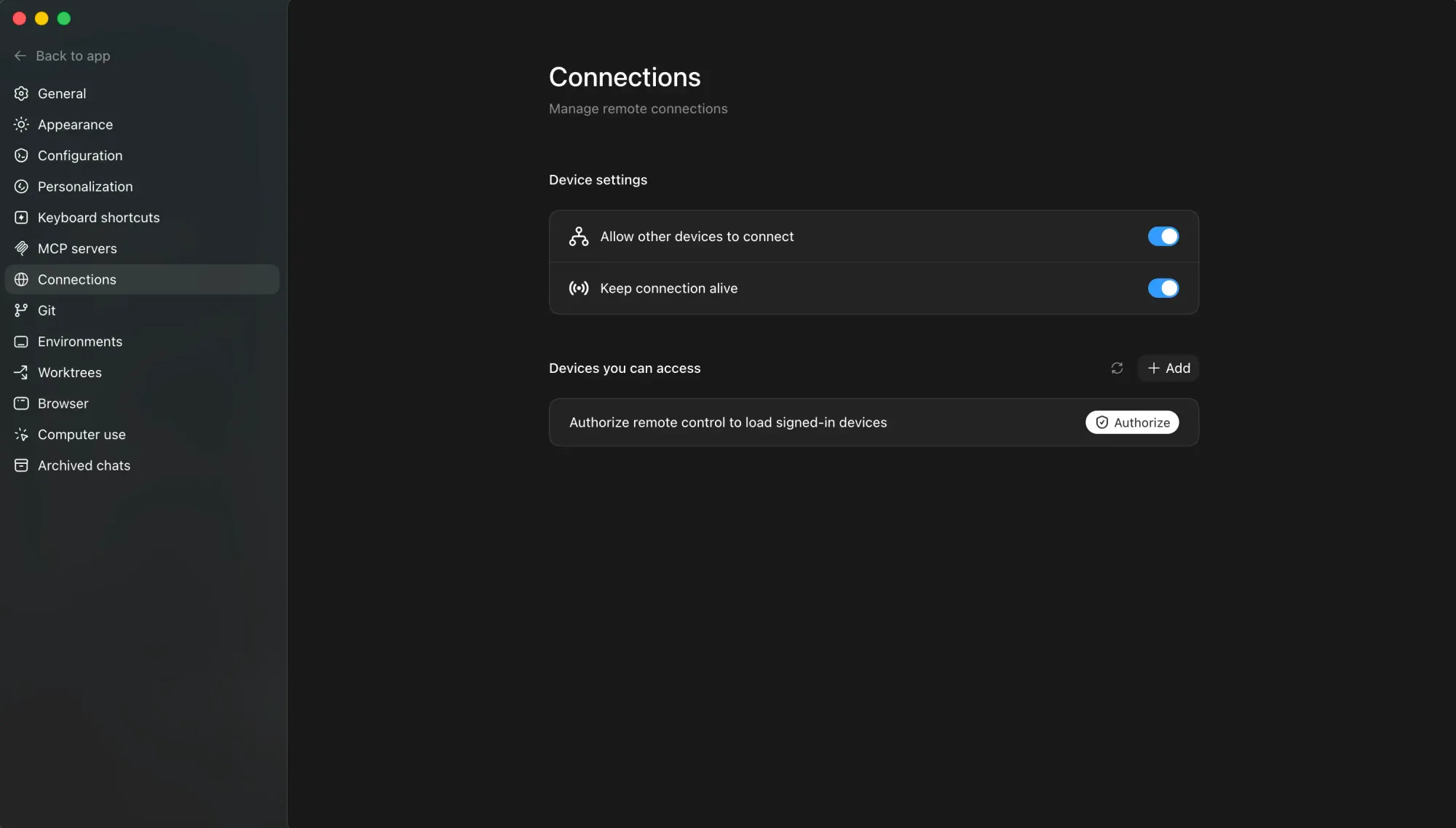
The third thread is a Remote Control capability that would let Codex connect to remote machines over SSH and operate them persistently, as well as enable other devices to connect to Codex, with a flag to keep the session alive. This goes further than the existing alpha for remote project work, pointing toward a setup where Codex could handle ongoing infrastructure maintenance, hosting small services, and routine ops on dev boxes, or, in theory, even modest production servers.
yeah we need to
— Sam Altman (@sama) May 7, 2026
Combined with the Chrome plugin and the pending voice support, Codex is being shaped into a multi-surface agent that lives across the desktop, the browser, and remote hosts, narrowing the gap with Anthropic’s Claude Code on developer workflows while keeping its broader Codex super-app ambitions intact.


