

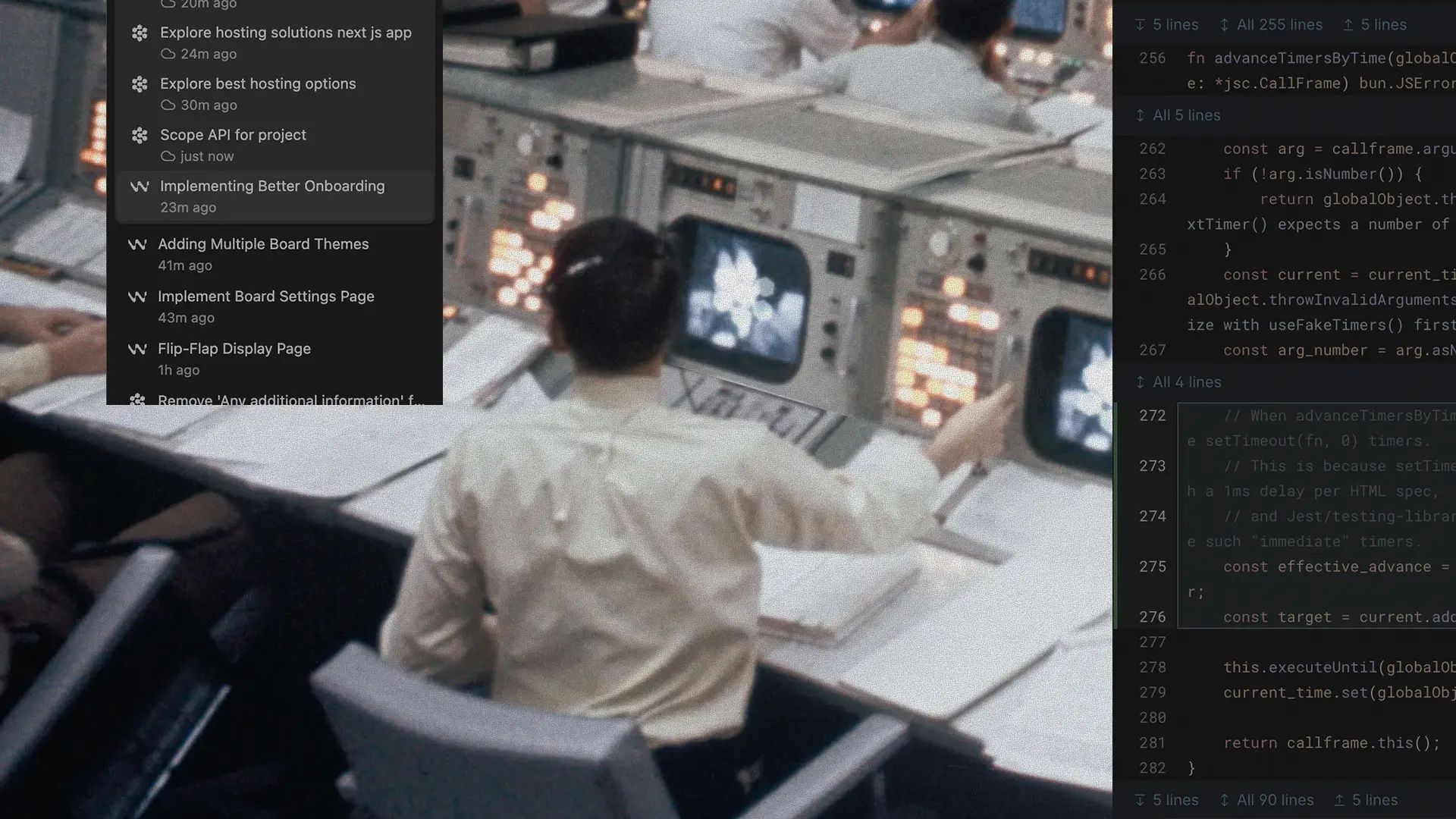
Windsurf is pushing deeper into the AI coding race with Windsurf 2.0, a release centered on a new Agent Command Center and native Devin integration inside the editor. The update, announced on April 15, 2026, is aimed at developers and teams that want local IDE work and cloud agents running side by side instead of bouncing between separate tools. Windsurf describes the release as a way to let local and cloud agents work together in one workflow.
The core change is the Agent Command Center, a Kanban-style surface inside Windsurf that shows all agent sessions in one place, grouped by status. It includes local Cascade sessions running in the editor and cloud Devin sessions running on separate virtual machines. Windsurf also adds Spaces, which bundle agent sessions, pull requests, files, and shared context around a single task or project, making it possible to switch between multi-agent jobs without rebuilding context every time.
Introducing Windsurf 2.0.
— Windsurf (@windsurf) April 15, 2026
Manage all your agents from one place and delegate work to the cloud with Devin - so your agents keep shipping even after you close your laptop. pic.twitter.com/HPdGeosKM0
Devin is now built directly into Windsurf, which is one of the biggest parts of the launch. Users can plan work with Cascade locally and then hand it off with one click to Devin for execution. Windsurf says Devin can handle debugging, testing, deployment, and other longer-running software tasks on its own VM, complete with desktop, browser, and computer-use capabilities, so work can continue after the laptop is closed. For self-serve users, Devin is included in Pro, Max, and Teams plans, consumes the shared Windsurf quota, and new GitHub connections can receive up to $50 in extra usage credits. Access is rolling out gradually, and enterprise access depends on admin enablement and purchased Cognition Platform access.
Windsurf now sits under Cognition AI, the company behind Devin, and this release shows the integration moving from partnership language to product reality. That stands out because Windsurf said in July 2025 it would keep investing in Windsurf as a standalone product without forcing Devin alongside it. Windsurf 2.0 does not appear to replace the core editor, but it clearly shifts the product toward a combined local-plus-cloud agent model, putting it into a more direct fight around orchestration, not just autocomplete or chat in the IDE.


