


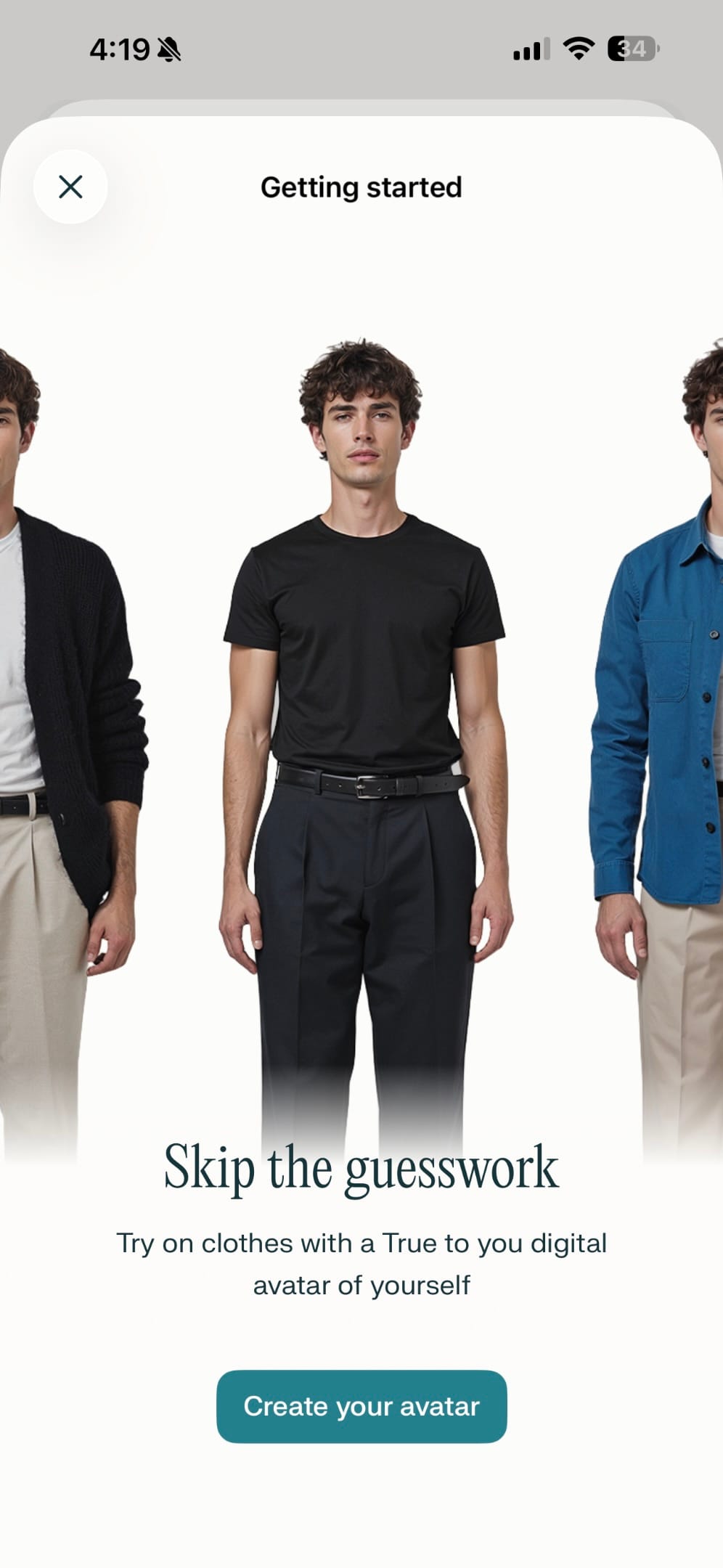
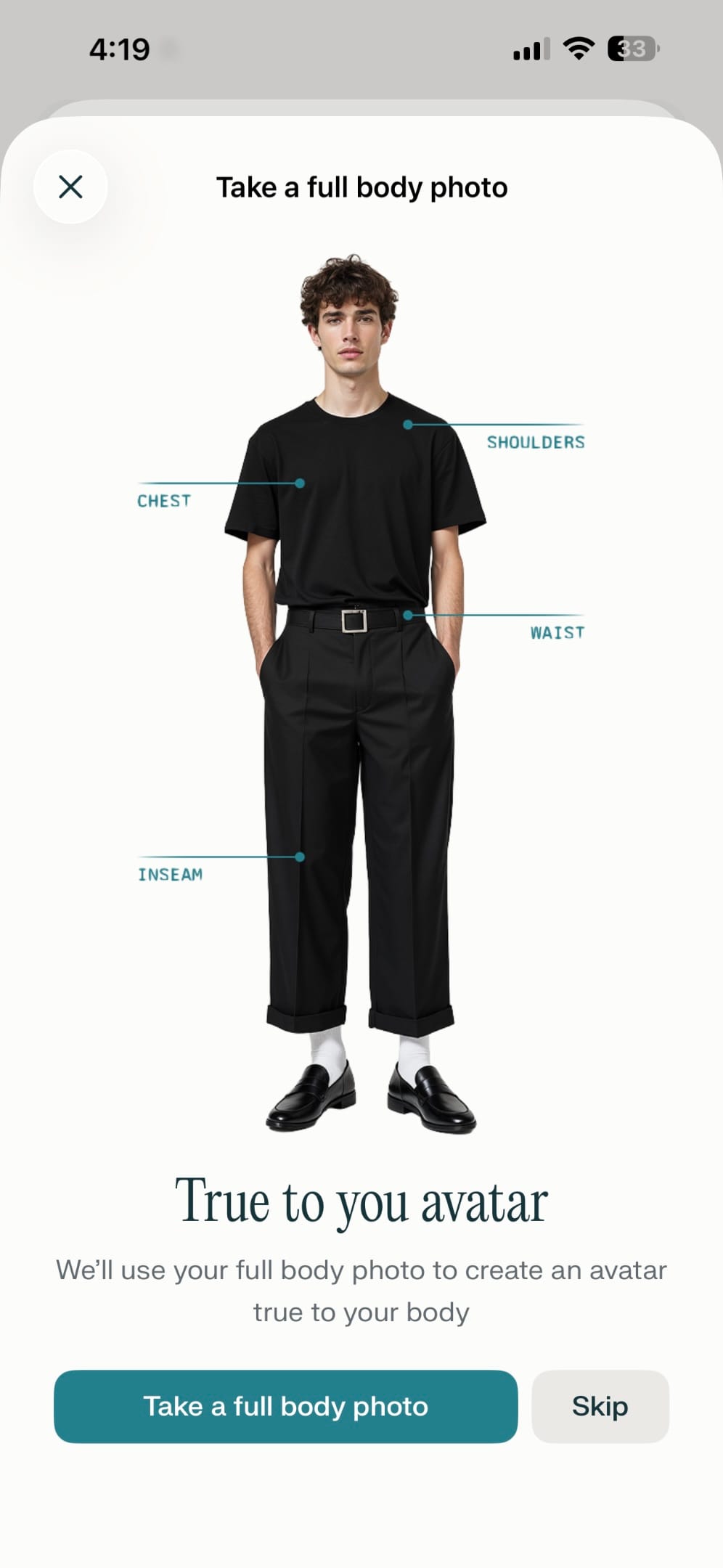
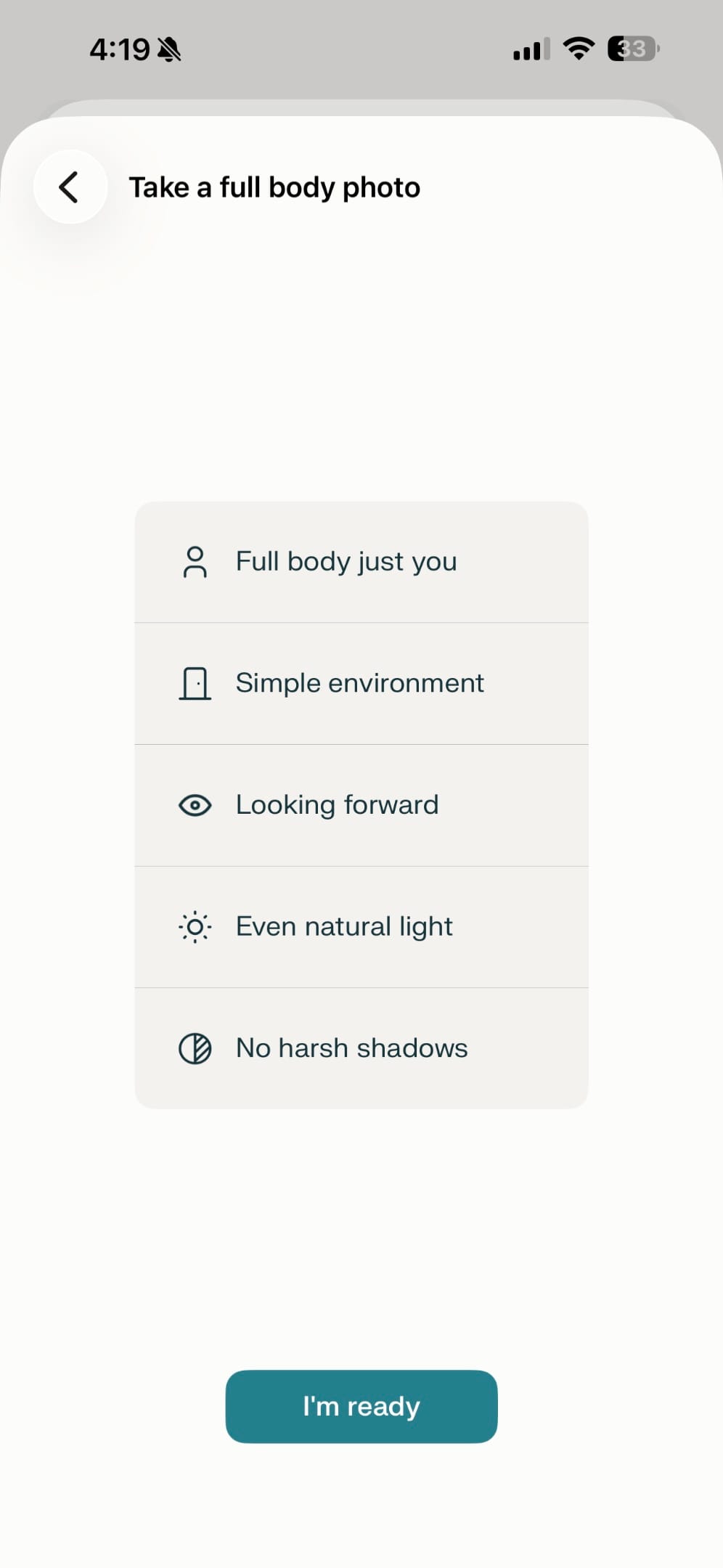
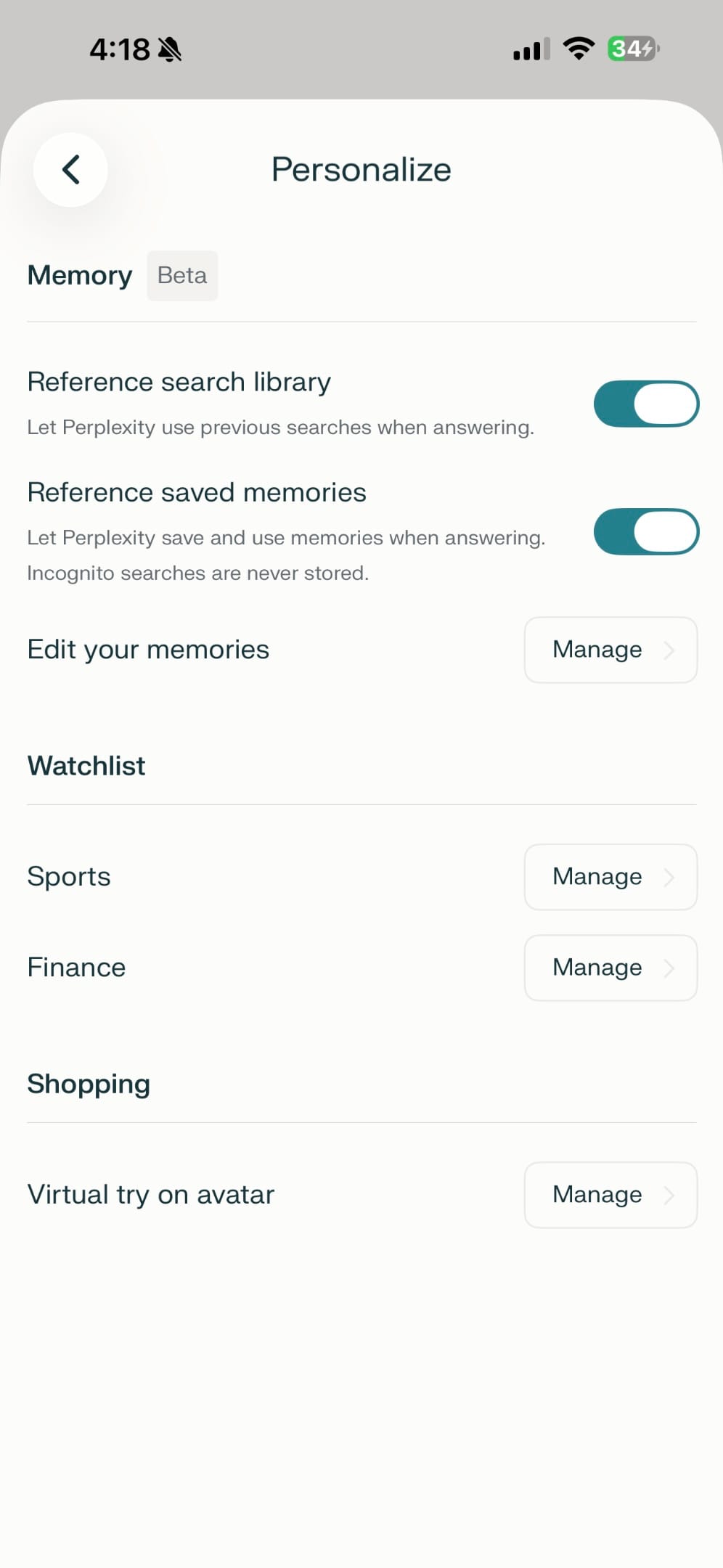
Perplexity has quietly rolled out a virtual try-on feature within its iOS app, offering a more personalized shopping experience for users in the United States. This capability is accessible via the personalization menu, where individuals can create a digital avatar using their own photos. The process involves taking a full-body picture, allowing the system to generate an avatar that closely matches the user’s body shape and appearance. When users browse shopping queries, a new try-on button appears next to supported products, enabling users to see how various clothing items would look on their avatar. The generated visuals are of high quality, with the process running quickly and smoothly during initial tests.

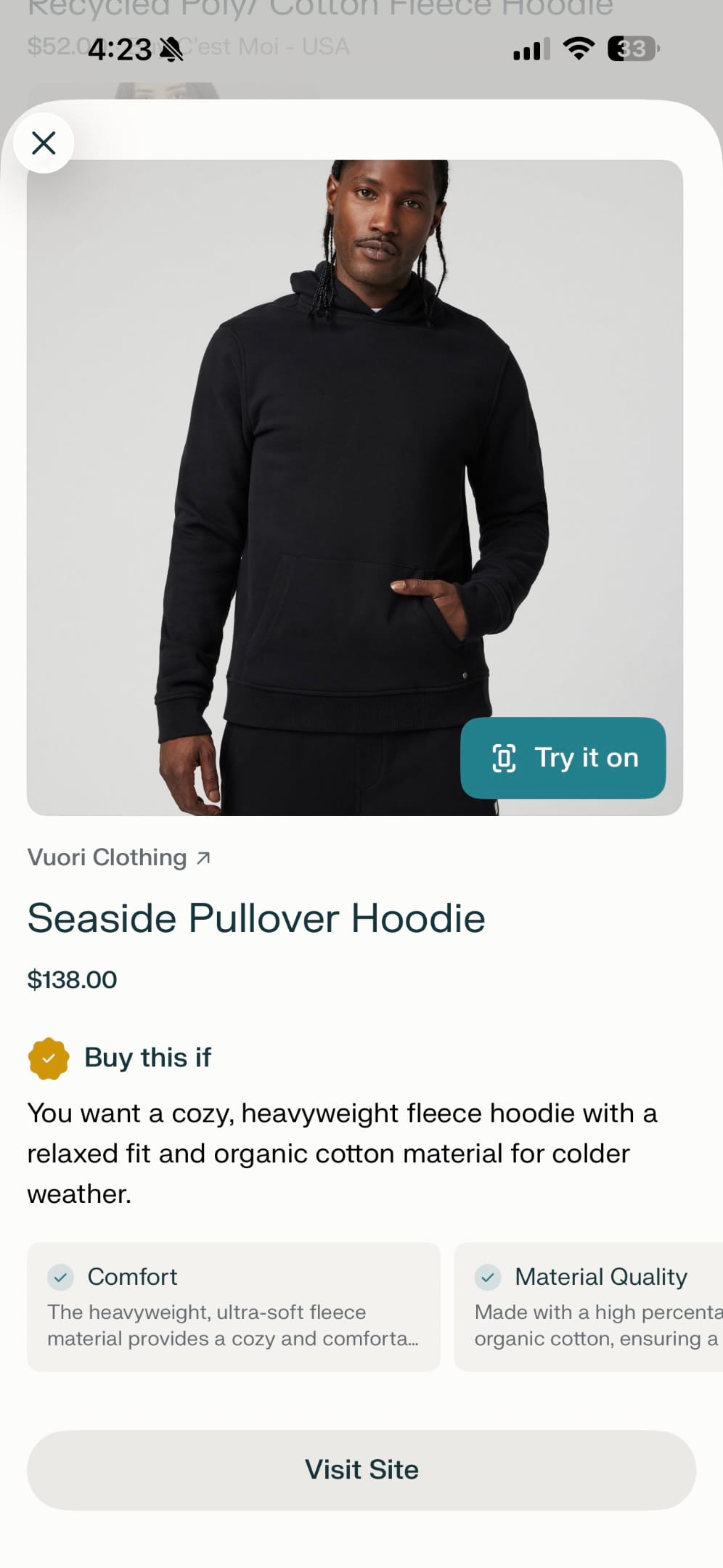
Perplexity Try On
This development comes after Perplexity acquired a startup specializing in this technology last year, signaling the company’s move to strengthen its AI-powered commerce offerings. The integration suggests Perplexity’s ongoing effort to compete with larger commerce platforms by adding practical, user-centric features that streamline decision-making in online shopping.
Currently, the try-on function and Perplexity’s shopping experience are restricted to the US market, with no official statement regarding broader availability. This limitation may relate to ongoing regulatory and partnership negotiations.
BREAKING 🚨: Amazon vs Perplexity 🤖
— TestingCatalog News 🗞 (@testingcatalog) November 4, 2025
“Amazon wants to block you from using your own AI assistant to shop on their platform. Here's what they're trying to prevent: You ask your Comet Assistant to find and purchase something on Amazon.”
Future delayed 👀 https://t.co/a7ri8tfOCU pic.twitter.com/Cj4KCo0T2h
In parallel, Amazon has reportedly issued a legal notice to Perplexity, seeking to block purchases through its AI-powered shopping agents, highlighting the increasing tension between e-commerce platforms as AI becomes central to the digital shopping experience. For now, Perplexity users in the US benefit from early access to virtual try-on, but the future scope of this feature may depend on how these competitive and legal dynamics evolve.


