

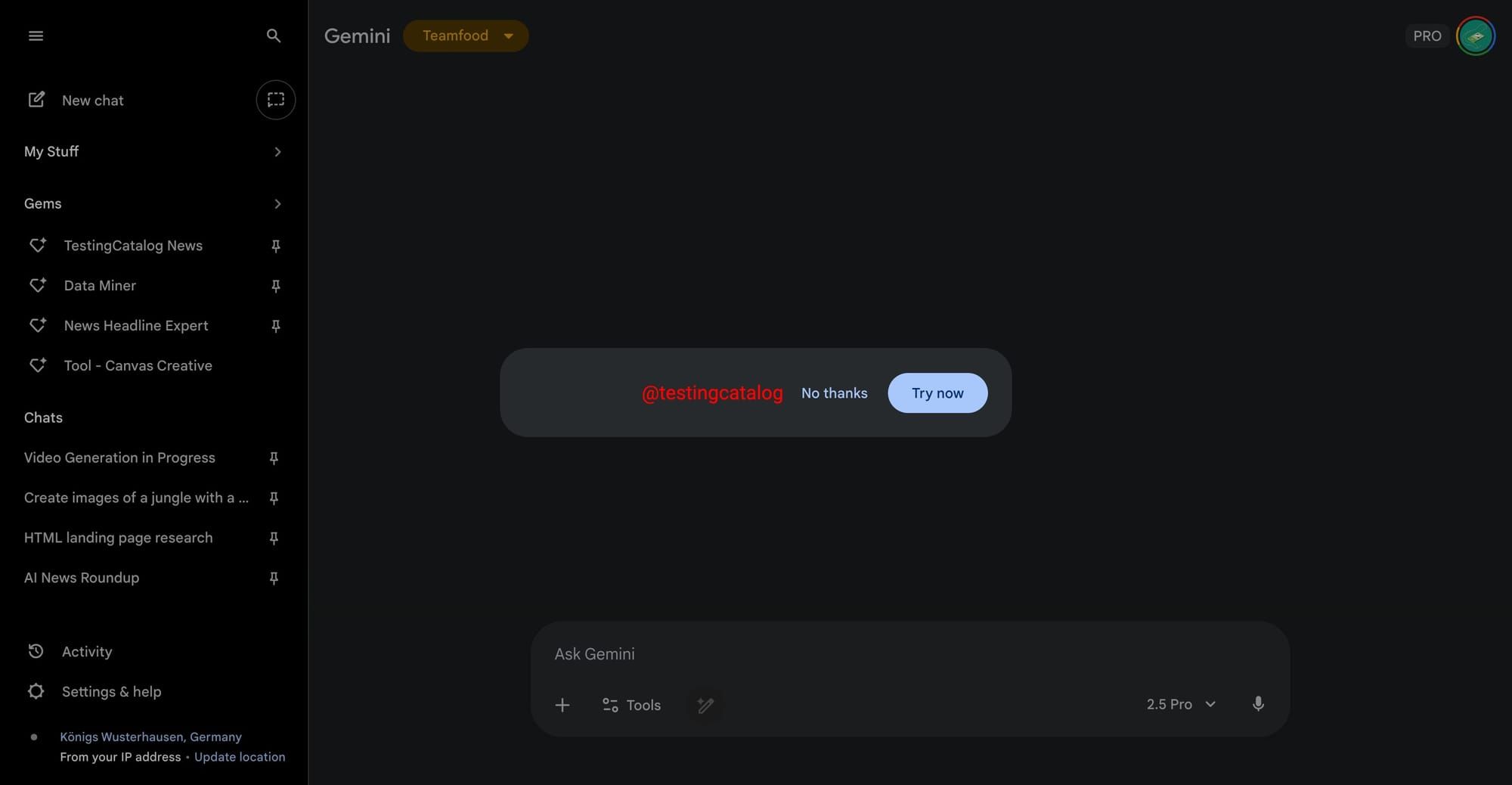
Google is getting ready to introduce a new model to its Gemini lineup, with updated announcement cards appearing in the Gemini web interface. This time, the spotlight is on Nano Banana version 2, labelled as "GEMPIX2", following the pattern set by the first Nano Banana model earlier this year. These pre-release announcement cards are a familiar signal that a launch is near. Based on previous cycles, such updates typically appear about a week before the public rollout, suggesting users could see the new model available as soon as next week.
GEMPIX 2 is expected to target the same user segments as its predecessor: creators and professionals who rely on Gemini for image generation and AI-assisted creative workflows. The Nano Banana line previously attracted considerable interest, contributing to a noticeable growth in Gemini’s user base and increasing Google’s share in the competitive generative AI market.
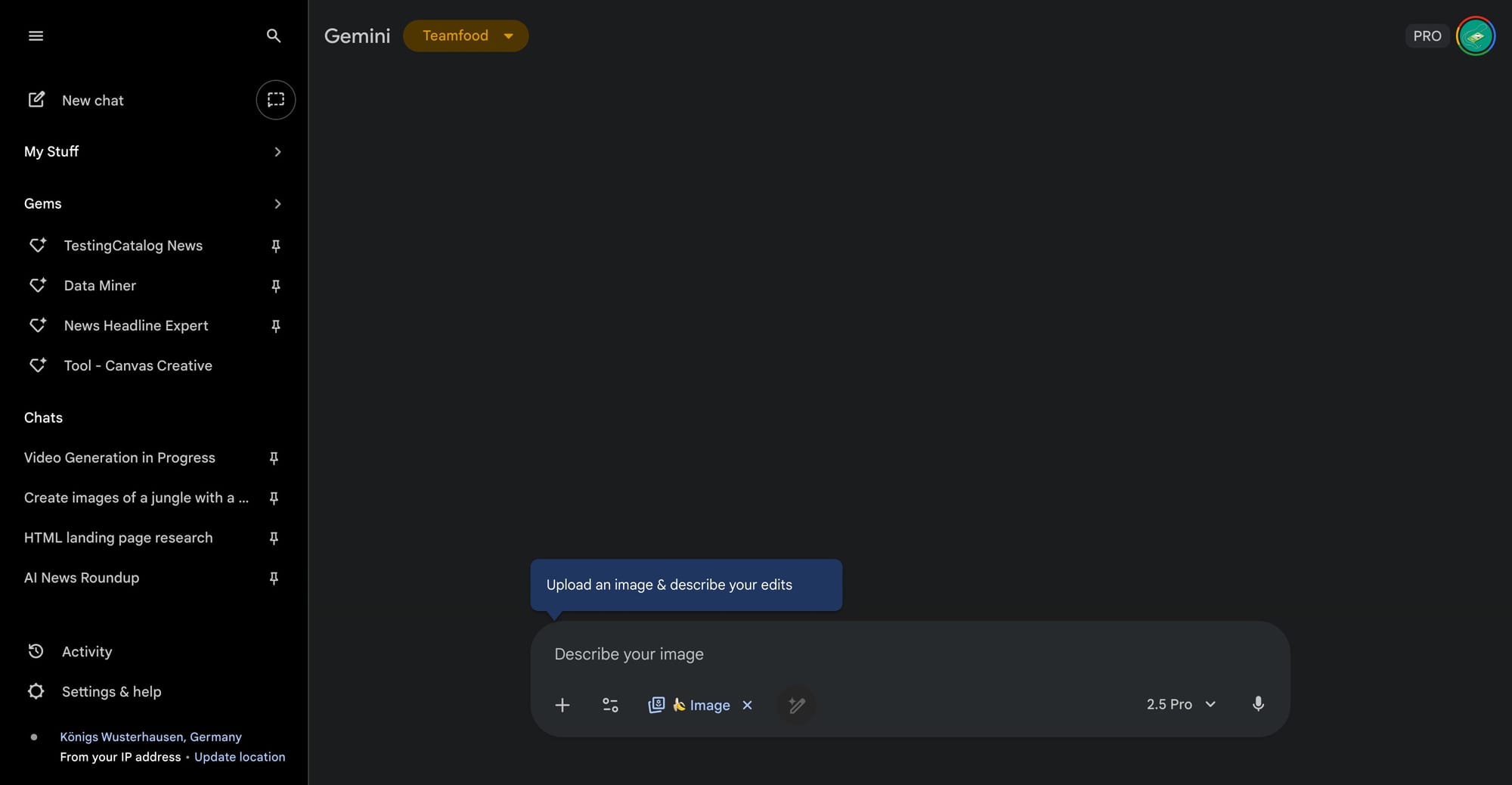
While there are no official details on the specific improvements or capabilities of GEMPIX 2 yet, the Nano Banana models are generally positioned as high-performance, creative-focused image generation models within the Gemini family, often featuring unique styles or faster rendering. The timing and staging of the announcement suggest Google intends to maintain momentum and capitalize on recent growth trends by offering continuous updates that keep the platform attractive to both existing and new users.
These pre-release discoveries often come from examining the latest changes to the Gemini UI and feature flags, providing an early look at what’s coming before any official blog post or documentation appears. As the rollout approaches, more concrete details on Nano Banana version 2’s features and limitations are expected to follow. The move aligns with Google’s ongoing push to keep Gemini at the forefront of creative AI tooling, responding to increased competition and user demand for faster, more capable models.


