

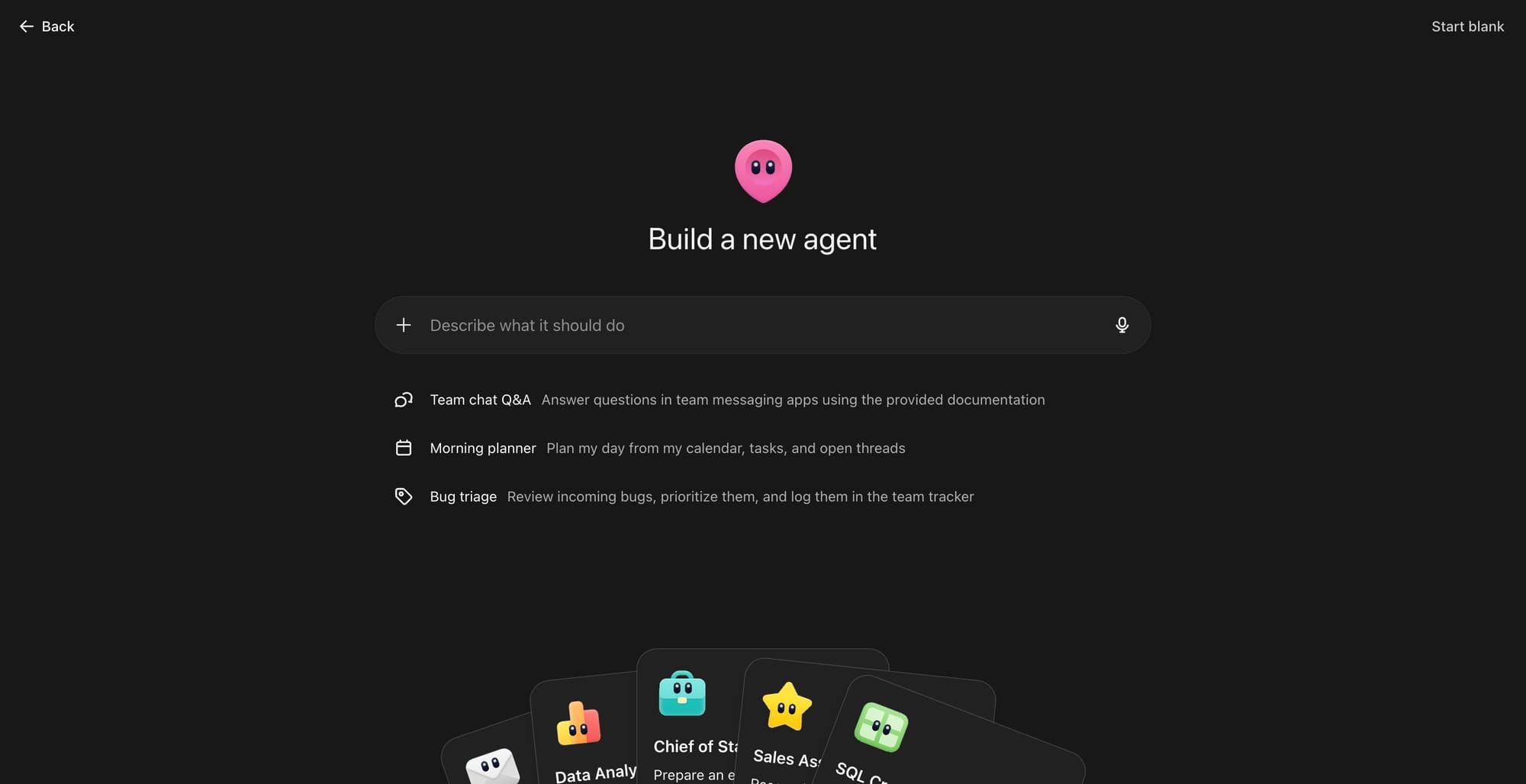
OpenAI has launched workspace agents in ChatGPT, introducing a new Codex-powered layer designed for teams that want AI to manage repeatable tasks across shared tools, approvals, and long-running workflows, rather than merely responding to prompts. This product is positioned as the next step after GPTs: instead of a single-user assistant, teams can create a shared agent once, let it operate in the cloud, reuse it across the organization, and continuously improve it over time. OpenAI states that these agents can already be utilized for software request triage, weekly reporting, lead outreach, product feedback routing, and vendor risk reviews.
Introducing workspace agents in ChatGPT—shared agents that can handle complex tasks and long-running workflows across tools and teams. pic.twitter.com/eHplfXCWlk
— OpenAI (@OpenAI) April 22, 2026
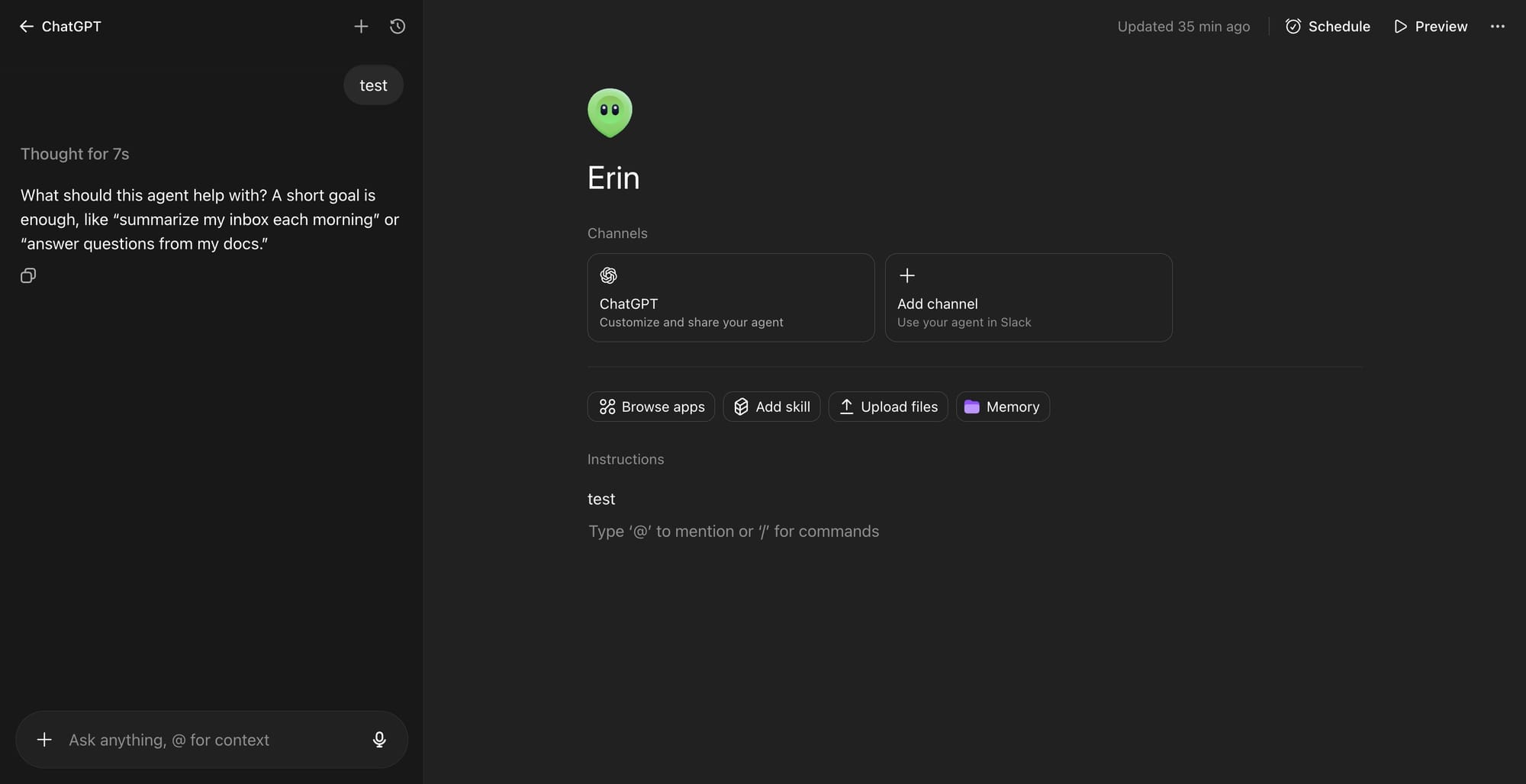
What distinguishes this release from a standard chatbot upgrade is the operating model surrounding it. Workspace agents can be tested before launch, scheduled to run automatically, deployed in Slack, connected to apps such as Google Drive, Google Calendar, Slack, and SharePoint, and extended with custom MCPs, files, skills, image generation, and web search. OpenAI also supports two authentication modes: user-by-user access or a shared agent-owned account, making these agents resemble internal workflow software more than consumer AI assistants.
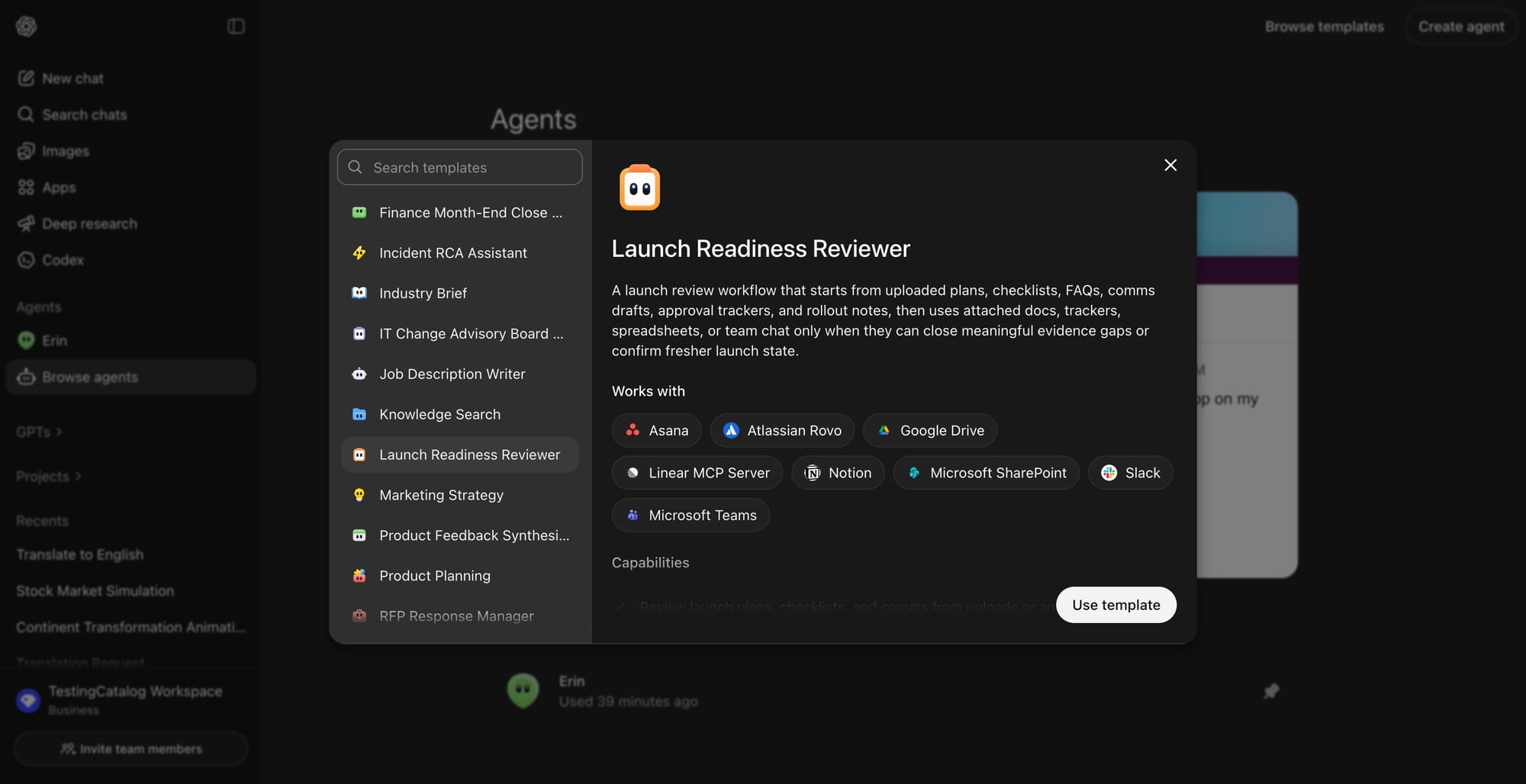
The control layer is a significant aspect of the offering. OpenAI states that admins can determine which tools and actions an agent may use, require approval for steps like editing spreadsheets, sending emails, or creating calendar events, and monitor agent configurations and runs through the Compliance API. Enterprise and Edu customers can manage access with RBAC, while Business admins recently received simplified app action controls and workspace-level analytics. One launch caveat is that workspace agents are off by default for Enterprise, on by default for Business, and not available at launch for Enterprise customers using EKM.
Availability is limited but extensive within OpenAI’s paid workplace stack. The feature is in research preview for ChatGPT Business, Enterprise, Edu, and Teachers, with free use until May 6, 2026, after which credit-based pricing will commence. OpenAI also mentions that support is coming to the Codex app, which is significant because the company has been transforming Codex into a larger agent platform with long-running tasks, automations, skills, and flexible team pricing. This makes workspace agents part of a broader initiative to transition ChatGPT from a chat interface to an operational work surface for organizations.
For OpenAI, this release extends the company’s recent focus on enterprise tooling rather than consumer chat features. Its current business plans include secure workspaces, over 60 app integrations, SAML SSO, MFA, compliance features, and a default policy of not training on business data. Early customer feedback highlights the commercial potential: Rippling reported that one sales consultant developed a sales opportunity agent without an engineering team, and the workflow now saves representatives approximately five to six hours a week by researching accounts, summarizing Gong calls, and automatically posting deal briefs into Slack.


