
Google continues to invest in the capabilities of its Stitch design agent, introducing several upcoming features that signal a shift toward making Stitch more suitable for professional design workflows. The recent ability to call Stitch via an API key unlocks integration scenarios, allowing developers and teams to automate design tasks or connect Stitch with their own tools and pipelines. This move is especially relevant for those building custom design solutions or embedding generative design into existing platforms.
Stitch API Keys are here! 🔑✨
— Stitch by Google (@stitchbygoogle) January 28, 2026
Last week we launched the Stitch MCP Server, Gemini CLI Extension, and Agent Skills.
They opened new doors, and now you can say goodbye to the OAuth dance. 🕺🚫
Just generate a key in Settings and connect your tools instantly. See updated docs in… pic.twitter.com/9ze57x0XlL
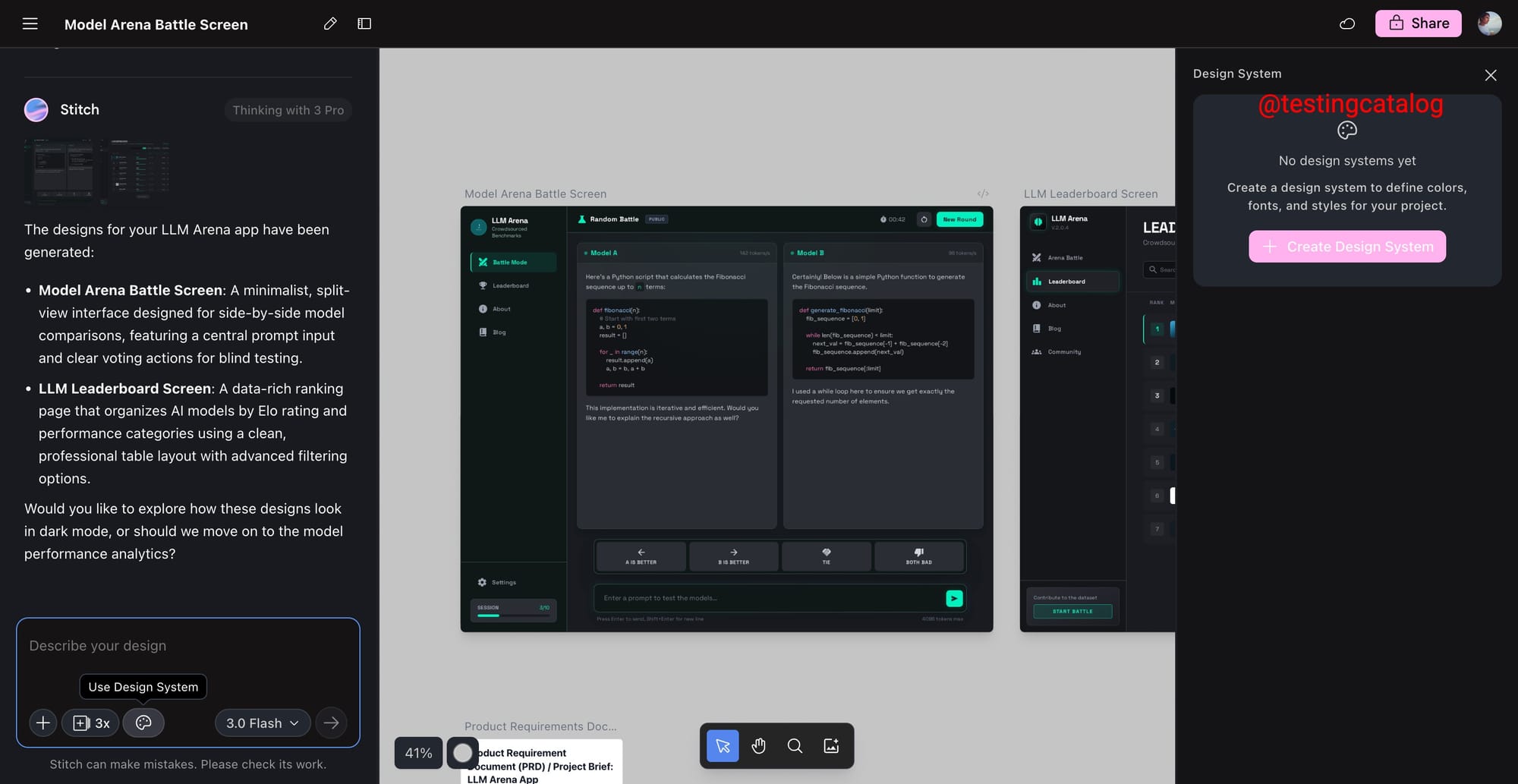
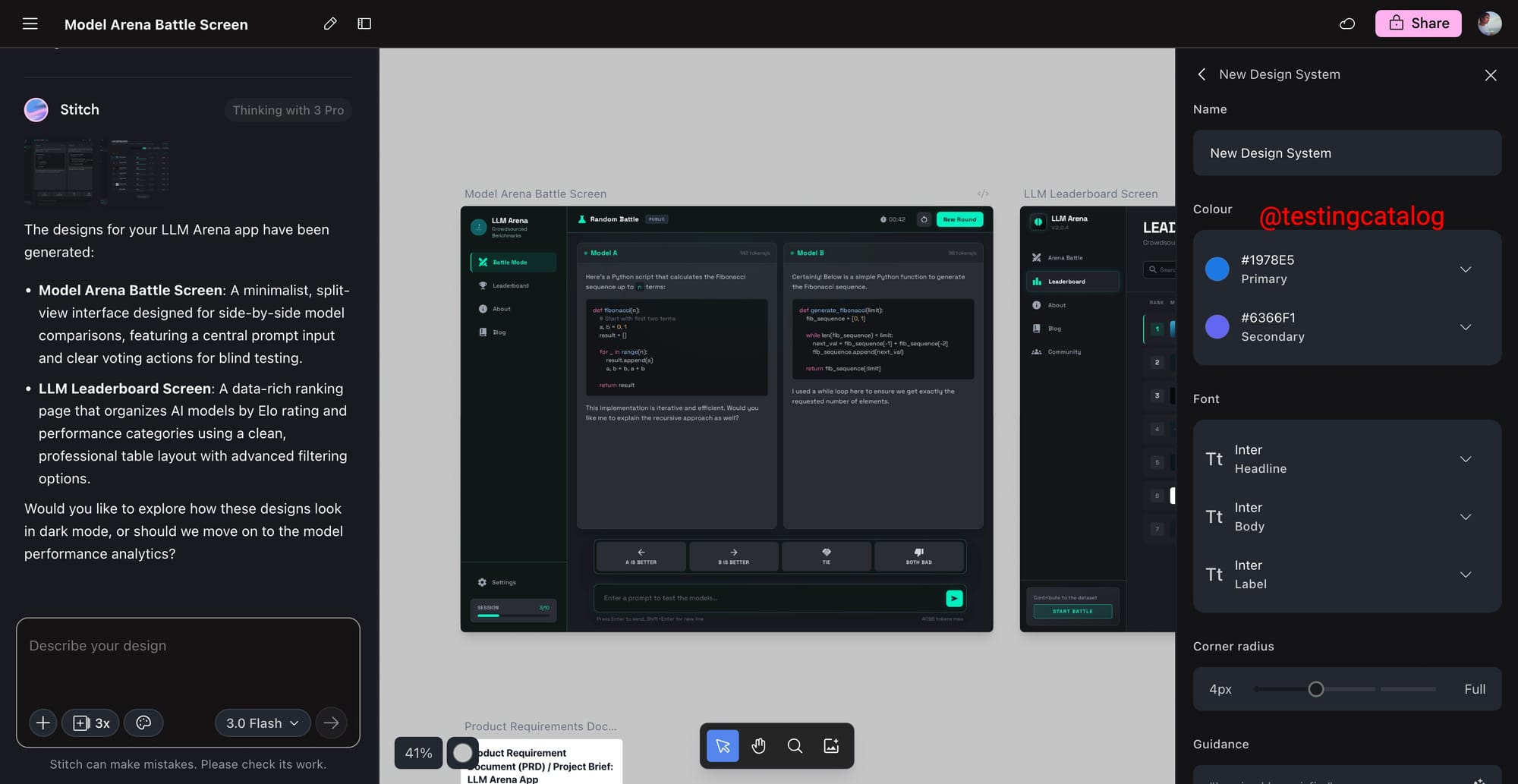
The introduction of Design Systems support marks a notable progression, as users will soon be able to define and manage sets of design tokens such as colors, fonts, and spacing, ensuring consistency across UI outputs. This addresses a critical need among product designers who rely on well-maintained design systems for scalable and consistent app interfaces. The possibility to switch between design systems further aligns Stitch with workflows seen in leading design tools.
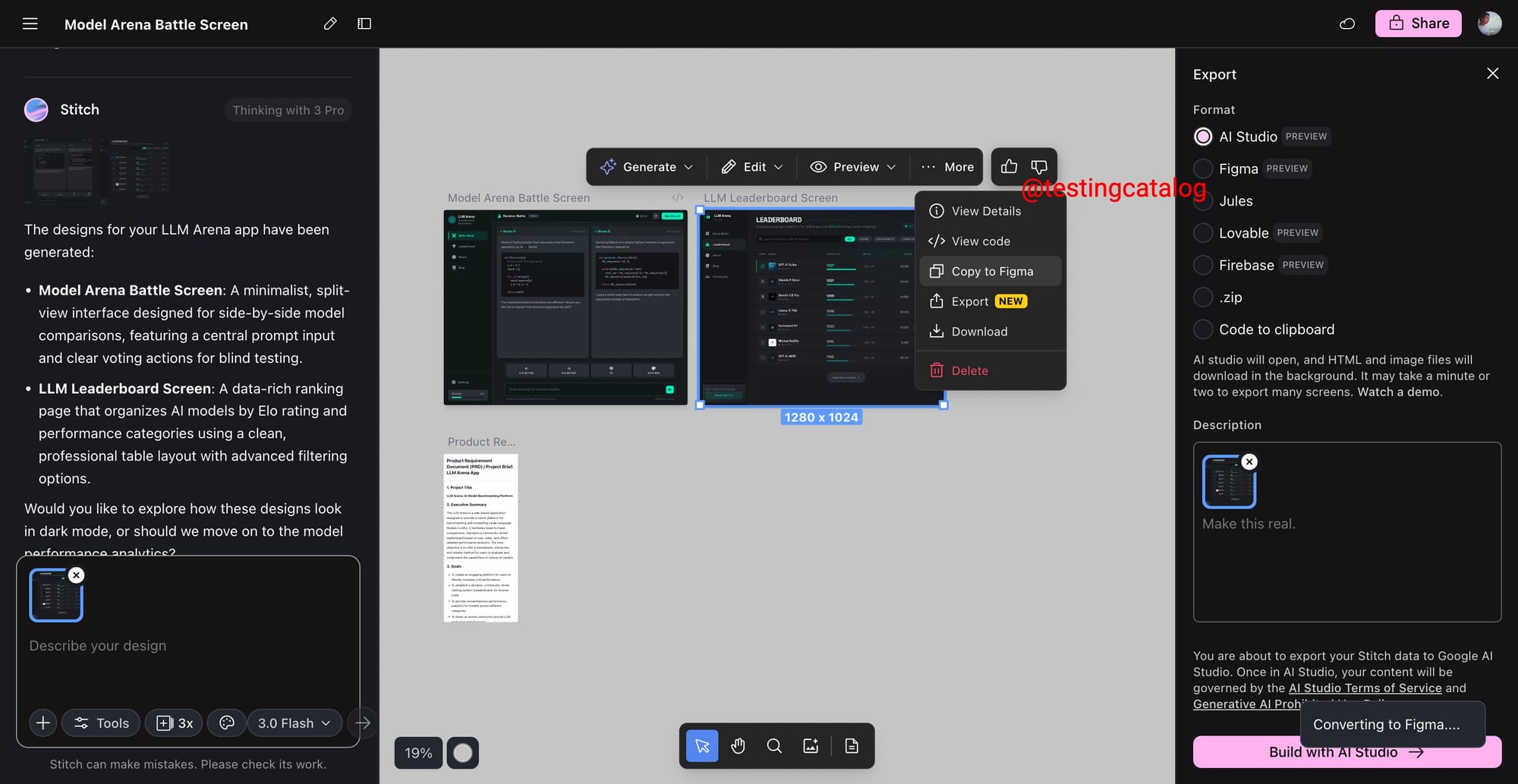
Another highly anticipated feature is direct export to Figma. The lack of Figma export previously limited Stitch's adoption among professional designers, many of whom use Figma as their primary workspace. The new export option positions Stitch as a viable co-pilot for UI ideation that fits into established design pipelines.
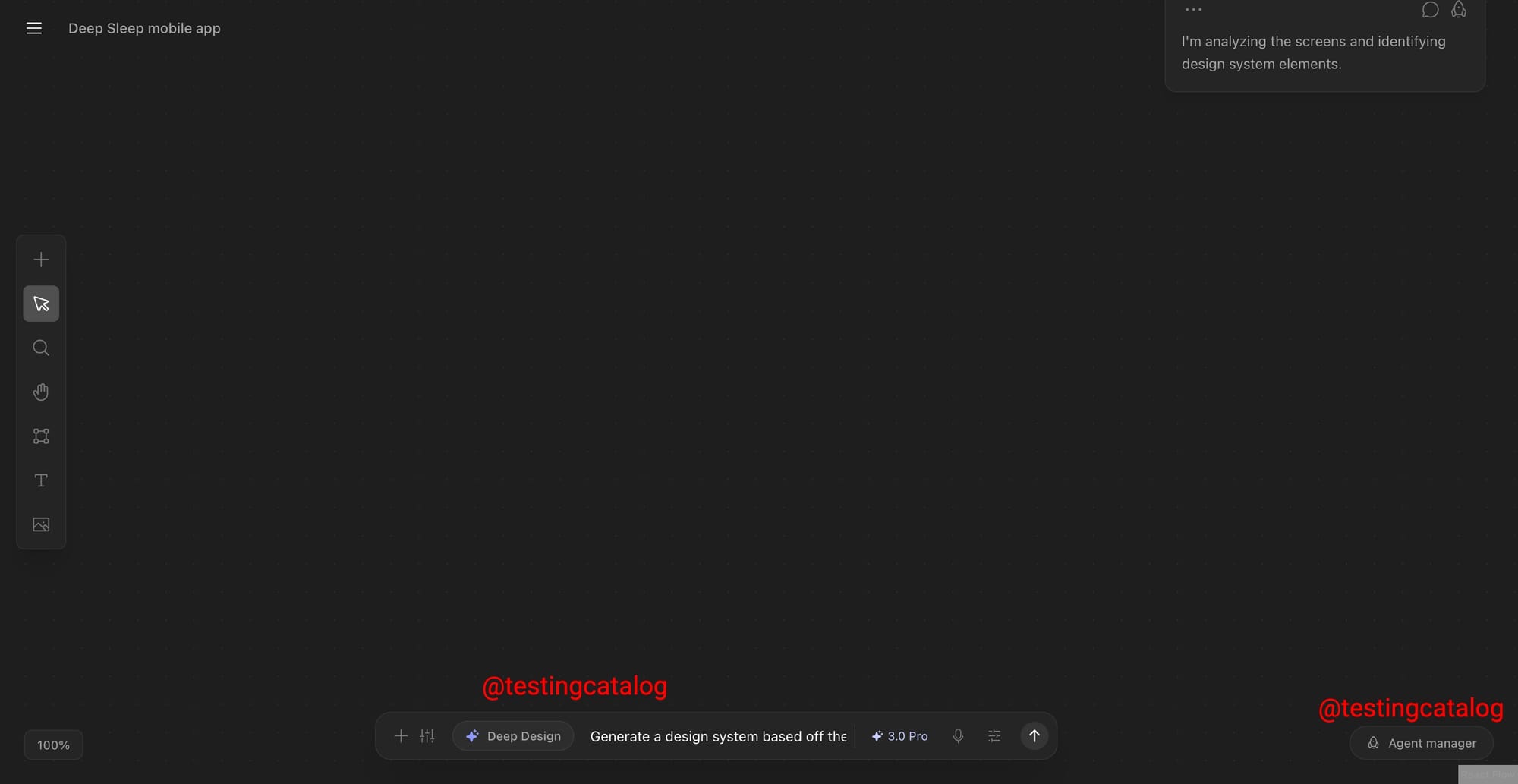
Looking further ahead, early mock-ups suggest significant interface changes with a minimalistic side panel, a new bottom panel with voice dictation support, and a “Deep Design” mode that may leverage additional compute or external information sources for more comprehensive design outputs. The presence of an Agent Manager button hints at the eventual ability to coordinate multiple design agents on complex tasks, potentially allowing for parallel problem solving or specialized workflows.
Stitch is developed by Google, a company with a clear strategy of integrating generative AI across its ecosystem. These updates would further solidify Stitch’s role as a flexible design companion, with expanding support for team-based, systematized, and automated UI design. Most of these features are still in early development, but together they point toward a more advanced, collaborative, and workflow-driven product direction for Stitch.


