

Cursor has begun rolling out Origin, a code-hosting service built directly into Cursor. The early beta began rolling out to users on all paid plans on August 17, 2026, except enterprise organizations whose administrators opt out. Origin launches with repositories, pull requests, code browsing, GitHub sync, and access to Cursor agents, giving users one place to store code, review changes, and ask agents to work across a project.
Origin, our code hosting platform, is now live.
— Cursor (@cursor_ai) August 17, 2026
It's fast, easy to use, and deeply integrated with Cursor.
Get started by syncing your repos from GitHub. pic.twitter.com/aqRHavAOQg
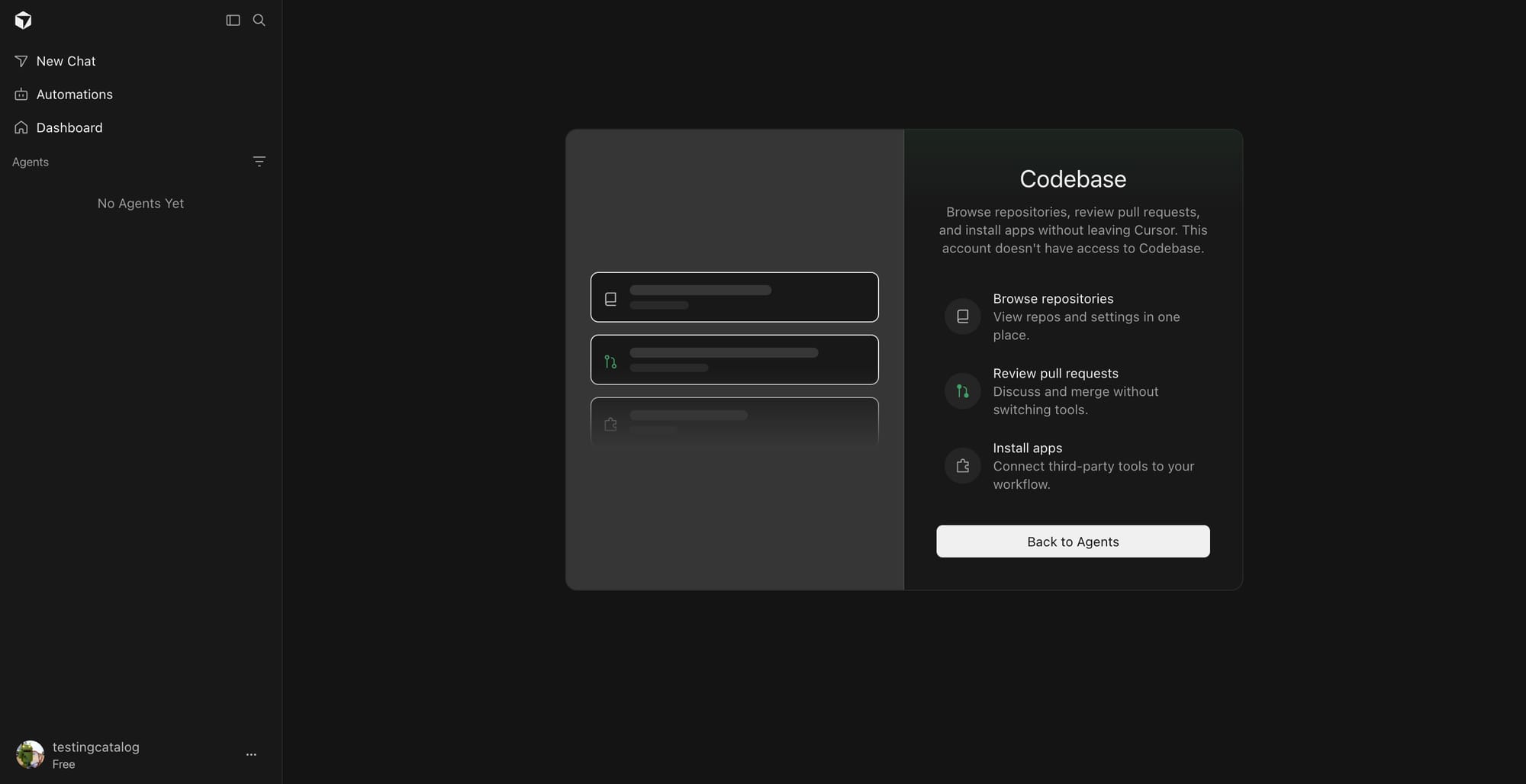
The new Codebase tab is the entry point for Origin repositories. Users select +New, name a repository, and receive CLI installation instructions plus commands for cloning it or pushing an existing local project. Once pushed, Cursor hosts the project. Each codebase name also becomes part of every repository URL.
Teams do not have to move projects away from GitHub. They can connect an organization, choose repositories to sync, and place those projects beside Cursor-hosted repositories. Synced copies update in real time and can be browsed, searched, and pulled from Origin, while GitHub remains the source of truth and continues to receive pushes. Anyone with read or write access to a synced repository can view it in Cursor, and you can disconnect the sync at any time.
Pull request pages bring together the timeline, commits, checks, changed files, diff, comments, and merge controls. On synced projects, comments written in Cursor appear on GitHub, while GitHub reactions and replies show up in Cursor within seconds. Reviews assigned through GitHub can also be completed and merged from Cursor.
Agents sit alongside the code and pull requests. Users can ask questions about the code they are viewing, request changes, update a pull request, or have Cursor push a branch. Repository settings expose sync status, access controls, and connected apps.
Cursor is also building an app ecosystem around Origin. Vercel can create a preview deployment for every pull request and ship the change after a merge. Depot and Buildkite can run existing GitHub Actions workflows, while Buildkite also supports native pipelines. Cursor says these are the first parts of a system designed for agent scale, with more agent-native features and app connections planned.