

Perplexity is preparing to bring a significant new layer of integration to its Comet browser with the upcoming addition of MCP (Model Context Protocol) support. The shift from only supporting remote MCPs to enabling local MCPs as well would mean that Comet could bridge the gap between browser automation and the broader desktop environment. For users, this unlocks the potential to have Comet not just interact with web content but also tap into local desktop tools and files, a capability that few AI browsers currently provide.
BREAKING 🚨: Perplexity Comet is about to get local MCPs' support soon as well. This means that Comet Assistant will be able to manage other desktop apps and local files in addition to your open tabs.
— TestingCatalog News 🗞 (@testingcatalog) September 9, 2025
A new superpower 👀 pic.twitter.com/Lb0cpOfkSh
The actual feature is still not live, but its presence in development builds suggests a rollout is coming. With local MCPs, the browser could theoretically interact with your local folders, files, and applications in response to natural language requests.
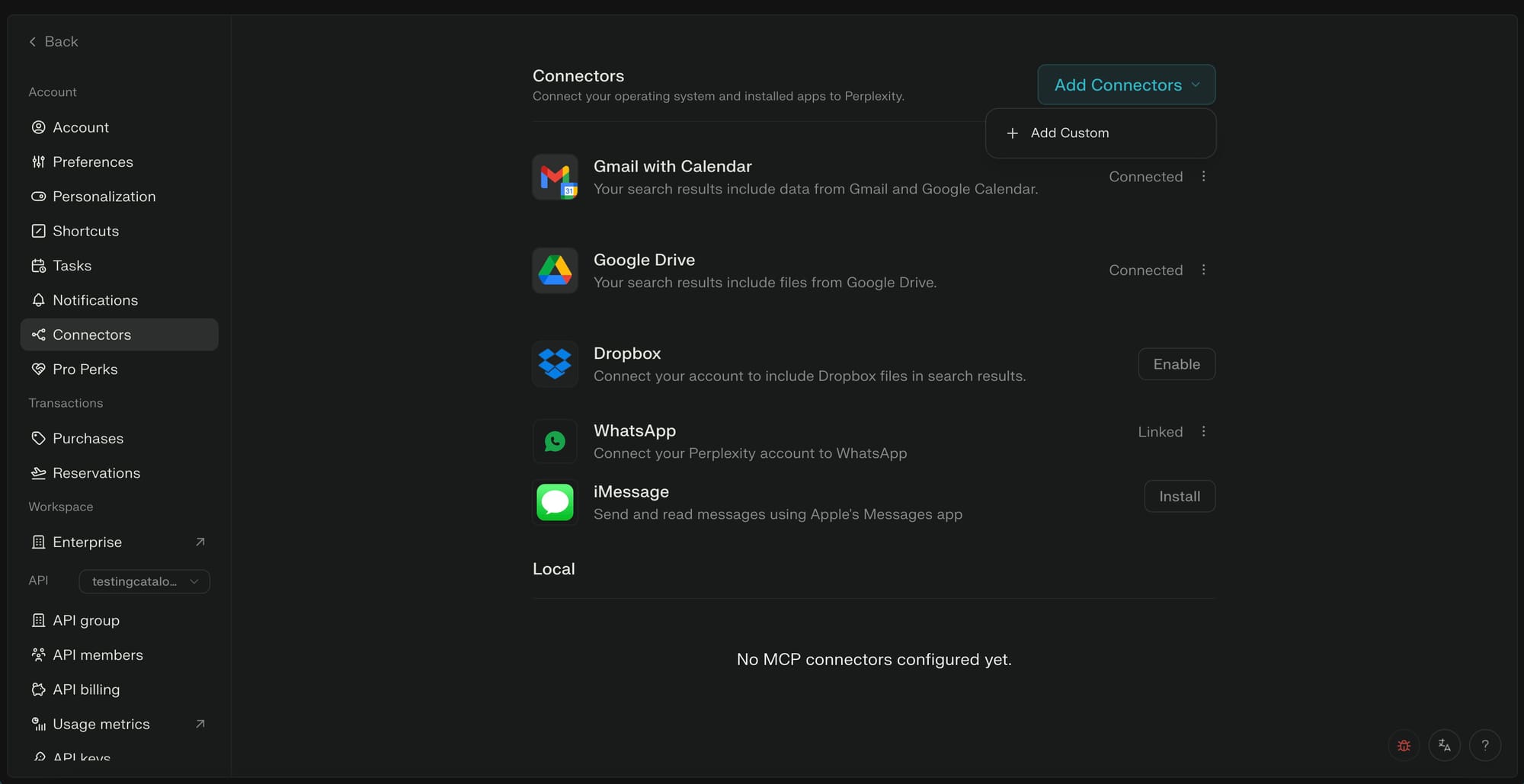
For example, a user wanting to post on X through Comet could soon attach an image stored locally, overcoming a major limitation of current web-only agent workflows. This change is likely to appeal most to productivity-focused users and power users looking for deep automation that includes both cloud and local resources.
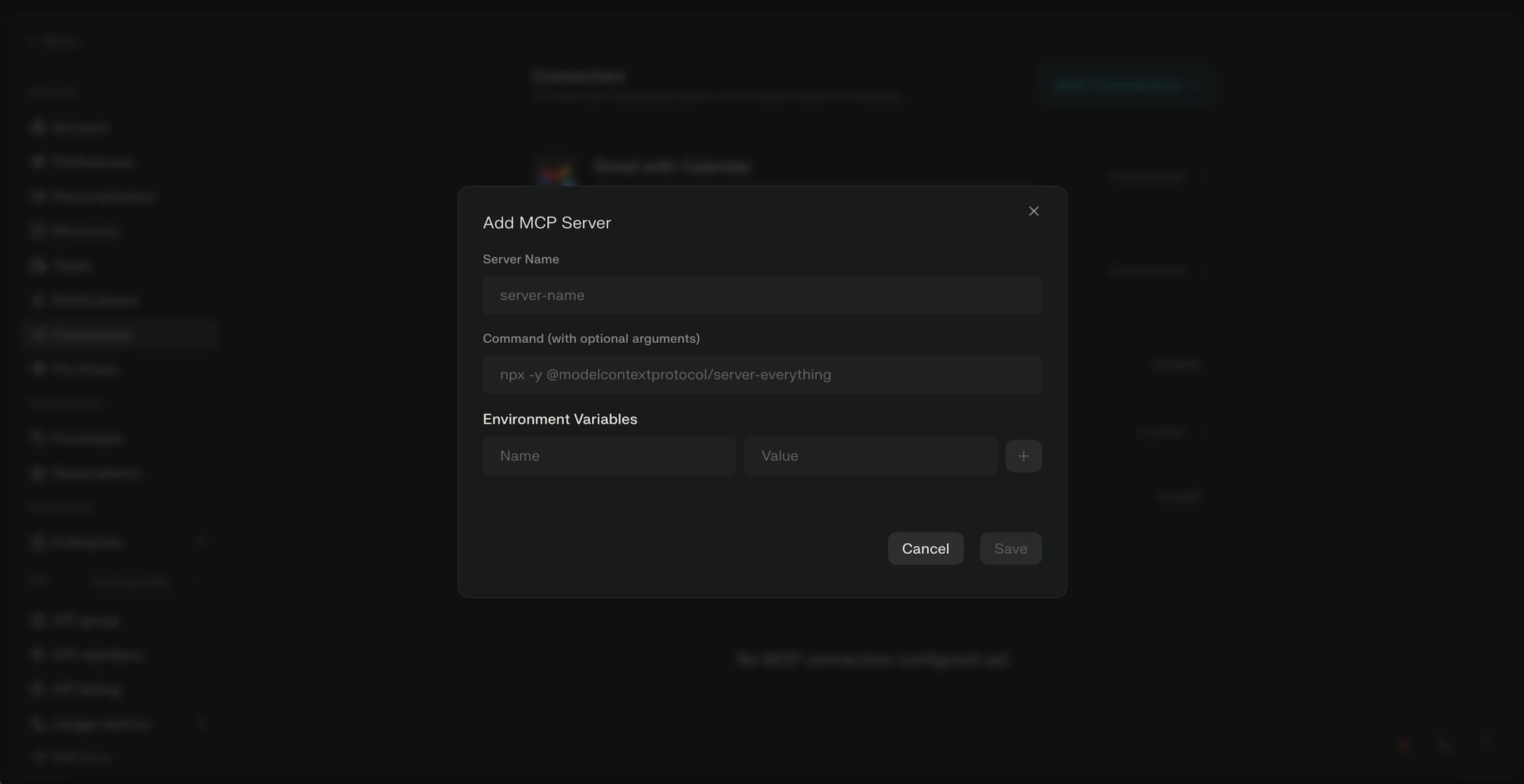
Perplexity’s product direction shows a clear intent to blur the line between web and desktop experiences, positioning Comet as a universal agent workspace. This also raises questions about how users will manage and oversee the agents acting on their behalf, hinting at future needs for centralized control panels or agent management tools.
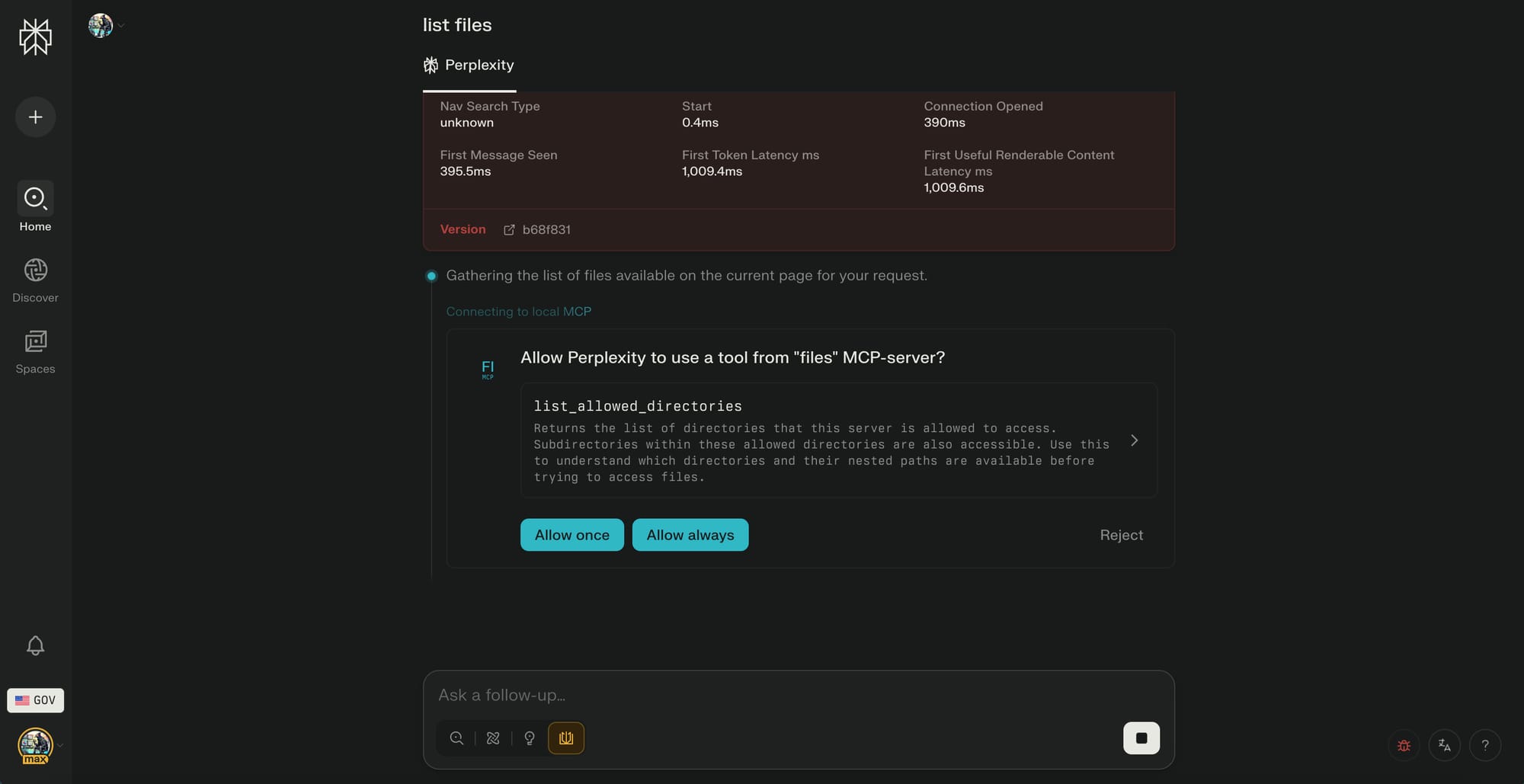
While there is no guarantee that all local MCP capabilities, such as file uploads, will be available at launch, enabling even basic local protocol support would make Comet more attractive as a daily driver for automation-heavy workflows. This update aligns with Perplexity’s broader strategy to differentiate Comet by turning it into a more versatile, autonomous assistant rather than just another AI search browser.


