
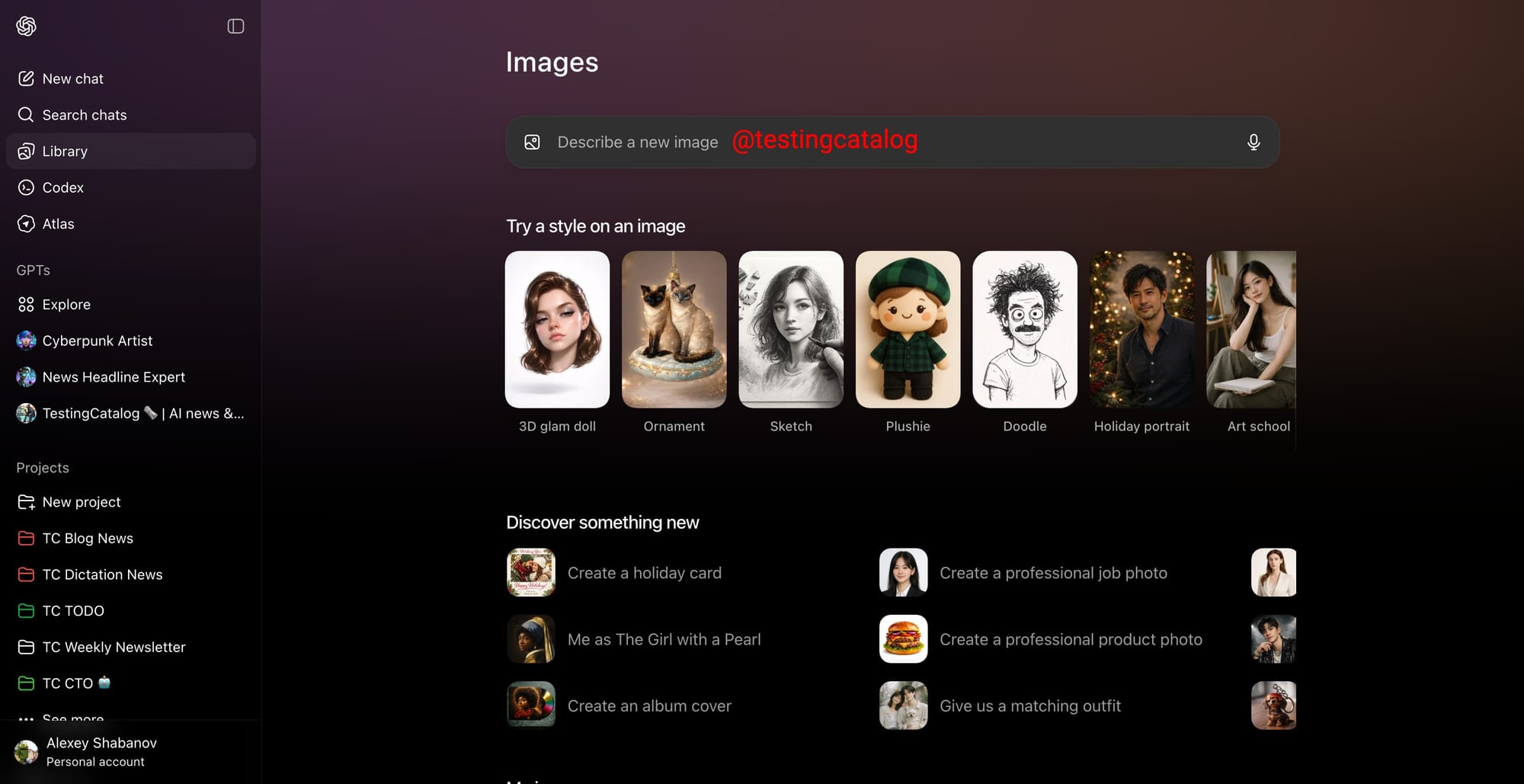
OpenAI has introduced a new generation of image capabilities within ChatGPT, enhancing how users can create and edit visuals directly from chat. This update replaces the previous image tool with a unified Images experience that supports higher fidelity generations, stronger prompt adherence, and tighter integration with text workflows. It is available across ChatGPT on both web and mobile platforms, with the rollout beginning on paid plans and gradually extending to free users. Developers can also access these capabilities through the Images API.
Introducing ChatGPT Images, powered by our flagship new image generation model.
— OpenAI (@OpenAI) December 16, 2025
- Stronger instruction following
- Precise editing
- Detail preservation
- 4x faster than before
Rolling out today in ChatGPT for all users, and in the API as GPT Image 1.5. pic.twitter.com/NLNIPEYJnr
The system allows users to generate images from text prompts, iterate through conversational refinement, and apply edits such as inpainting, background changes, or object replacement without leaving ChatGPT. Image understanding is also part of the release, enabling users to upload photos or screenshots and ask ChatGPT to analyze, describe, or transform them. OpenAI positions this as a step toward treating images as first-class inputs and outputs in multimodal workflows, rather than a separate feature bolted onto chat.
Also a very fun way to use it to easily get fun images in ChatGPT: pic.twitter.com/sWSedwAaII
— Sam Altman (@sama) December 16, 2025
Under the hood, the image model is tuned for consistency across multiple generations, improved text rendering inside images, and more reliable control over style and composition. This addresses long-standing issues such as distorted typography and visual drift between iterations. The model is designed to work alongside GPT text models, allowing users to move from ideation to visual output in a single session. This targets creators, marketers, educators, and product teams that rely on rapid visual prototyping.
OpenAI frames the update as part of its broader push toward multimodal systems that combine text, images, and other media within one interface. The company emphasizes safety controls carried over from earlier image tools, including content filtering and usage policies, while continuing to expose the technology through ChatGPT subscriptions and the API to encourage adoption across consumer and developer use cases.


