
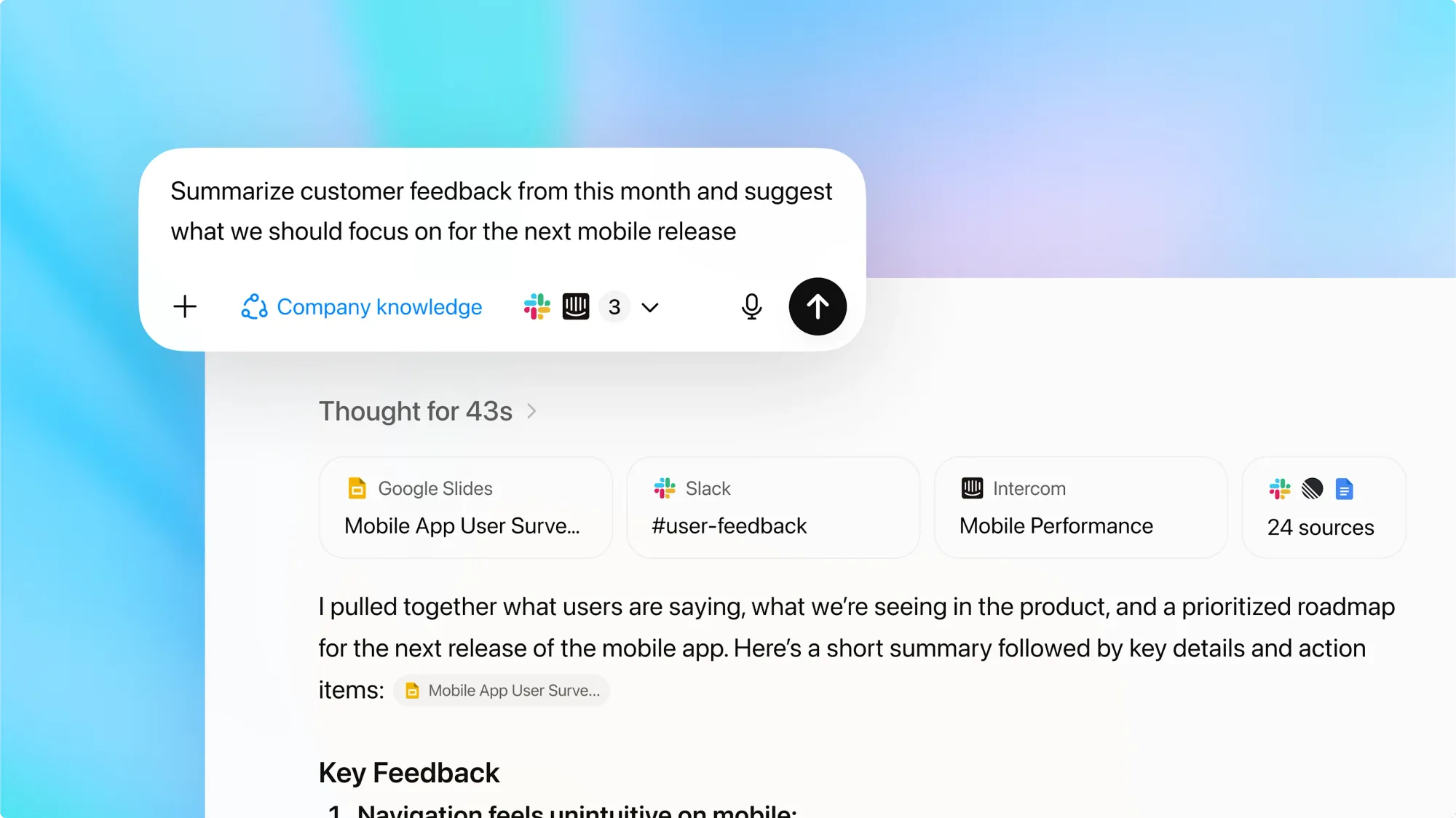
OpenAI has launched Company Knowledge for ChatGPT Business, Enterprise, and Edu, providing workers with direct answers from their own documents and tools. This new feature connects to platforms such as Google Drive, OneDrive, SharePoint, Box, Slack, Confluence, GitHub, and more. Responses are designed to cite the original files and respect user permissions. Administrators have control over which connectors are enabled, while users authenticate their own accounts. The rollout begins today with general availability on supported plans.
We're shipping company knowledge for ChatGPT Business, Enterprise, and Edu: it brings all the context from your apps (Slack, Google Drive, GitHub, etc) together in ChatGPT so you can get answers that are specific to your business. https://t.co/zMJWM5pqpE
— Fidji Simo (@fidjissimo) October 23, 2025
This feature is aimed at teams that frequently search across various silos. Typical use cases include retrieving policy answers, summarizing project threads, or drafting briefs with referenced sources. It functions within the ChatGPT sidebar and chat, allowing users to ask questions and receive grounded, drafted responses with citations. It supports follow-up questions and can perform actions on files where such actions are permitted.
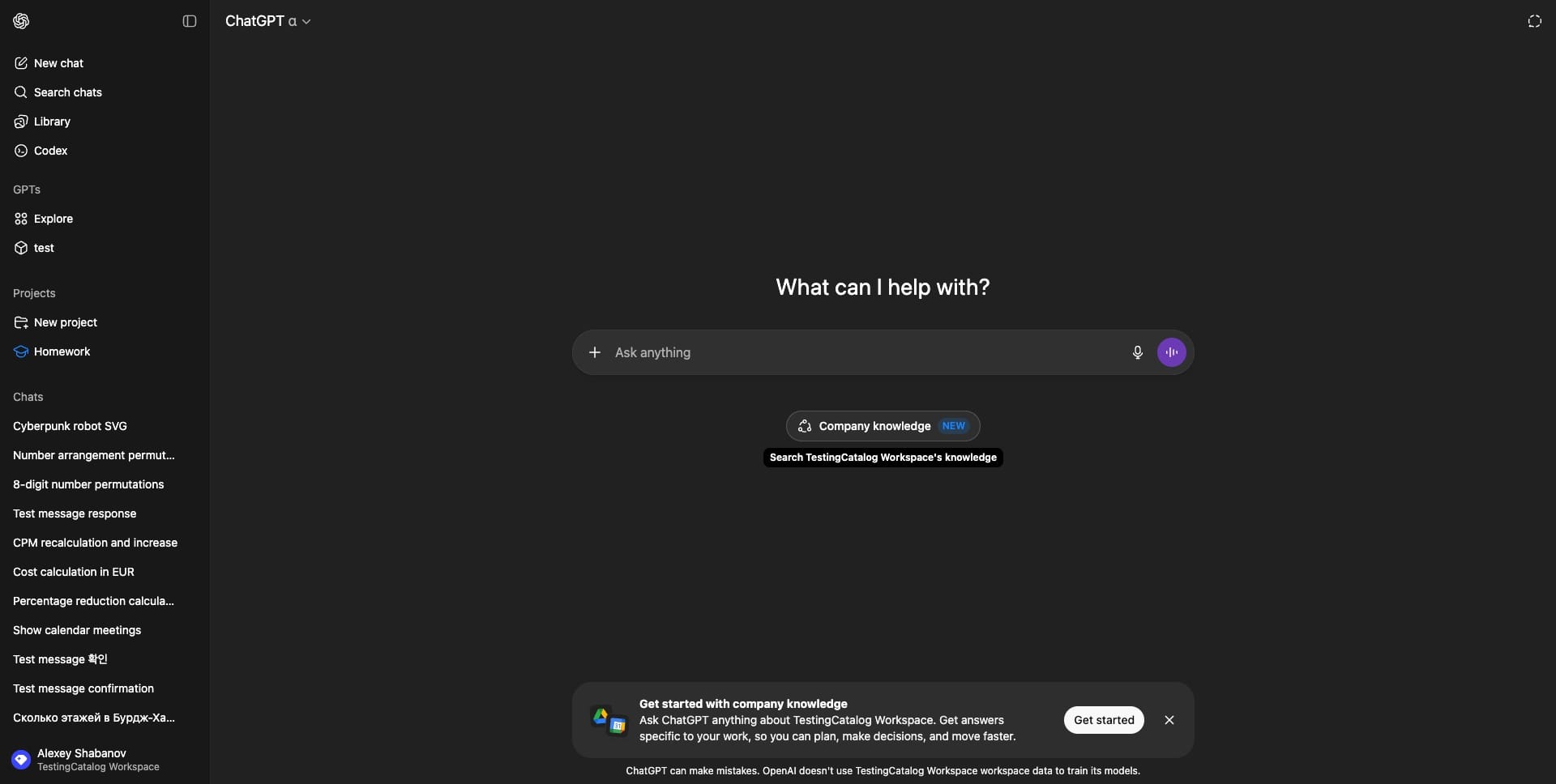
Compared to earlier file uploads and basic connectors, Company Knowledge unifies retrieval across multiple apps and workspaces with organizational controls and audit-friendly citations. This positions OpenAI against Microsoft Copilot in Microsoft 365 and Google’s Workspace search by offering cross-platform coverage beyond a single suite. Technical notes include workspace-level enablement, per-user OAuth, connector allowlists, and source-level attribution in answers.
Availability is global wherever ChatGPT Business, Enterprise, and Edu are sold, with pricing aligned with those plan tiers. Early enterprise design partners advocated for least privilege access, connector-level toggles, and clear source trails, all of which are included in this release.
OpenAI presents this as a step toward trustworthy AI in the workplace. The company has expanded its enterprise offerings this year, added broader connectors, and published research on AI usage in the workplace to support adoption.


