

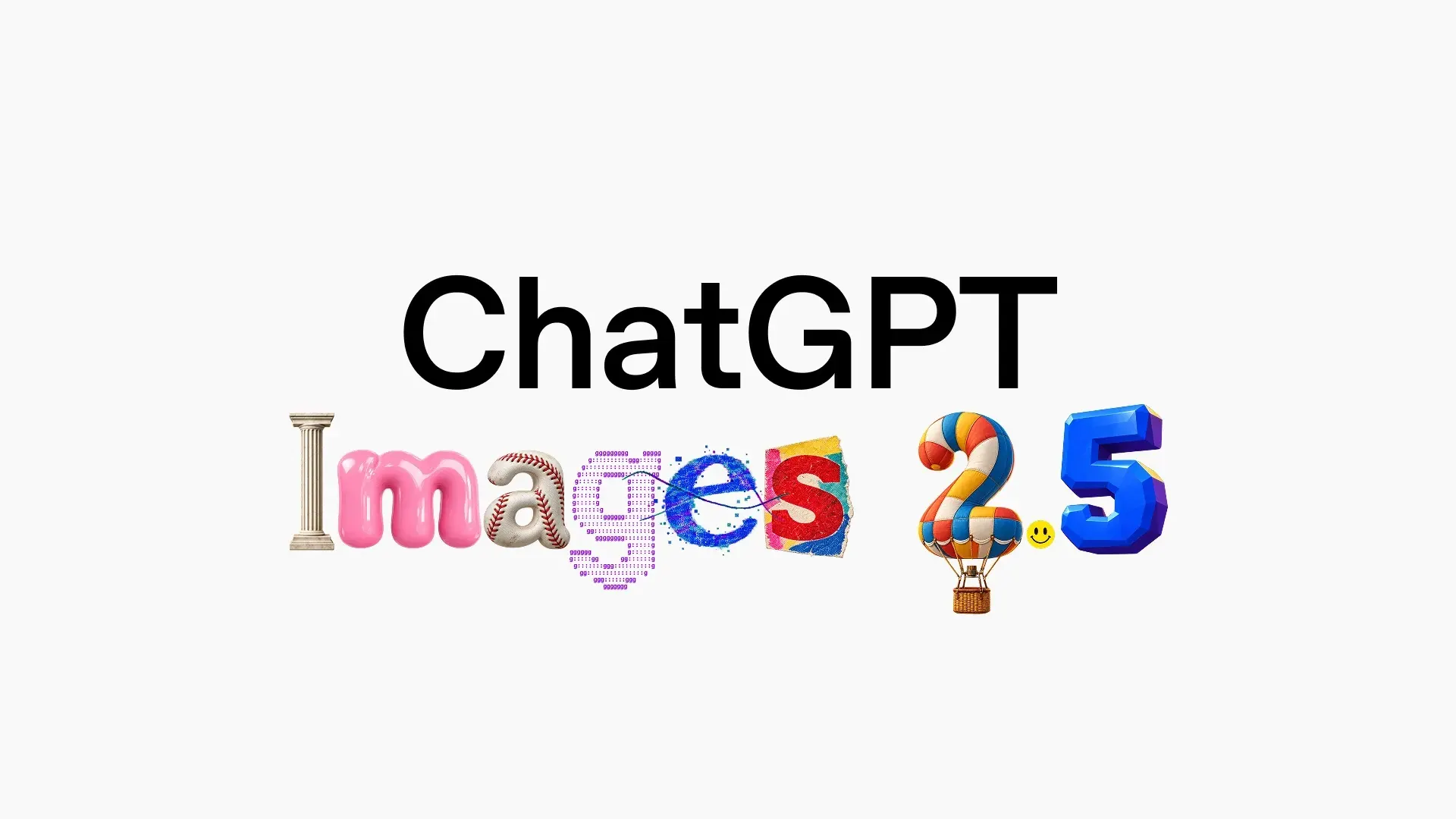
OpenAI is rolling out ChatGPT Images 2.5, a new state-of-the-art image model built for sharper generation, more precise editing, and faster creative work. It is available to all ChatGPT, ChatGPT Work, and Codex users on desktop, mobile, and web, with rollout across all tiers. OpenAI says generation latency is up to 50% lower than Images 2.0, with more natural lighting, richer textures, and stronger preservation of subjects from reference photos.
Reference-led generation is meant to keep subjects recognizable when their setting, style, or composition changes. Precision editing targets only the requested element while keeping the subject, background, layout, and brand treatment stable. Across longer conversations, earlier changes are more likely to persist through multiple edits. The model can also follow complex visual directions, represent real-world information more accurately, and handle transparent backgrounds.
Some ideas are easier to draw than describe.
— OpenAI (@OpenAI) September 8, 2026
Use Sketch to draw right in ChatGPT and show it exactly what you have in mind.
Just type “@ Sketch” in ChatGPT. pic.twitter.com/gx6fw0xy3K
ChatGPT is also gaining new creation tools. Users can type @Sketch, make a rough drawing, and combine it with written directions to produce a finished image. Templates such as Poster and Merch provide starting points for common formats, while image comments support focused revisions. Shared images can optionally include the source prompt so others can adapt the concept with their own photos and details.
Developers are getting two models in the API. GPT-Image-2.5 Flare is the default for most applications, with OpenAI claiming higher image quality than GPT-Image-2 at 50% lower latency. It targets social content, visual search, rapid prototyping, and high-volume generation. GPT-Image-2.5 Sunburst is aimed at premium workflows that need tighter control across edits, including campaign creative and polished product imagery. Both models are available now.
The release expands OpenAI’s existing ChatGPT Images and GPT-Image lineup, which the company says people use to create more than 3 billion images each week. Feedback from Higgsfield AI, Adobe, Manus, and Runway points to stronger preservation of character and composition, transparent-background output, and creator-workflow use. Manus measured Flare at two to four times the generation speed of GPT-Image-2, while Adobe is bringing both models to Firefly. OpenAI says Images 2.5 builds on existing prompt and image checks, C2PA metadata, and invisible watermarking to help identify generated content.


