


Meta appears to be actively building a shopping experience directly into its Meta AI assistant on the web. TestingCatalog has found that recent builds of the Meta AI website include a dedicated shopping option that becomes available when accessed from the United States. When a user's prompt has a shopping-related intent, the assistant initiates a product search, displaying real-time progress during its thinking phase before surfacing results as a visual carousel of product cards with images. Selecting a product opens a detailed side panel featuring a description, imagery, and what appear to be quick-purchase options, though the buy button and final checkout flow remain locked down in the current build.
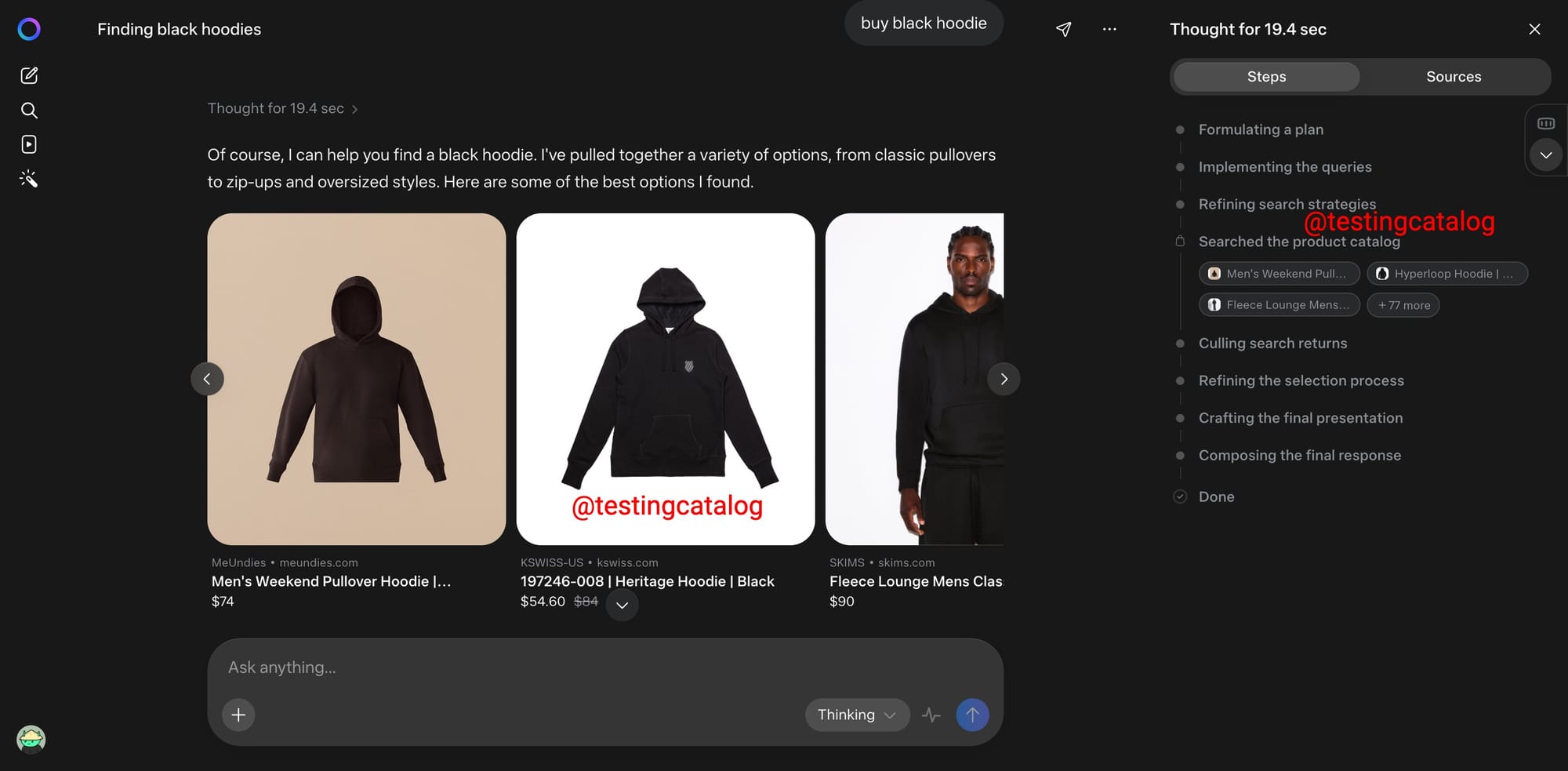
This discovery arrives at a pivotal moment for Meta's commerce ambitions. Zuckerberg recently told investors that the company's upcoming AI models and products will have "implications for commerce," including agentic shopping tools designed to help consumers discover products from Meta's business catalog. The company also recently acquired Manus, an autonomous AI agent technology it plans to use to accelerate conversational platforms and boost its social commerce business. The shopping feature found in Meta AI's web interface appears to be a concrete early implementation of that strategy, aimed primarily at US consumers who already shop across Meta's family of apps.

Perhaps the most surprising finding is that Meta is already routing some Meta AI search queries through Google's Gemini 3 models internally. Whether the final product will run exclusively on Meta's own upcoming model, codenamed Avocado, or operate as a multi-model system remains an open question.
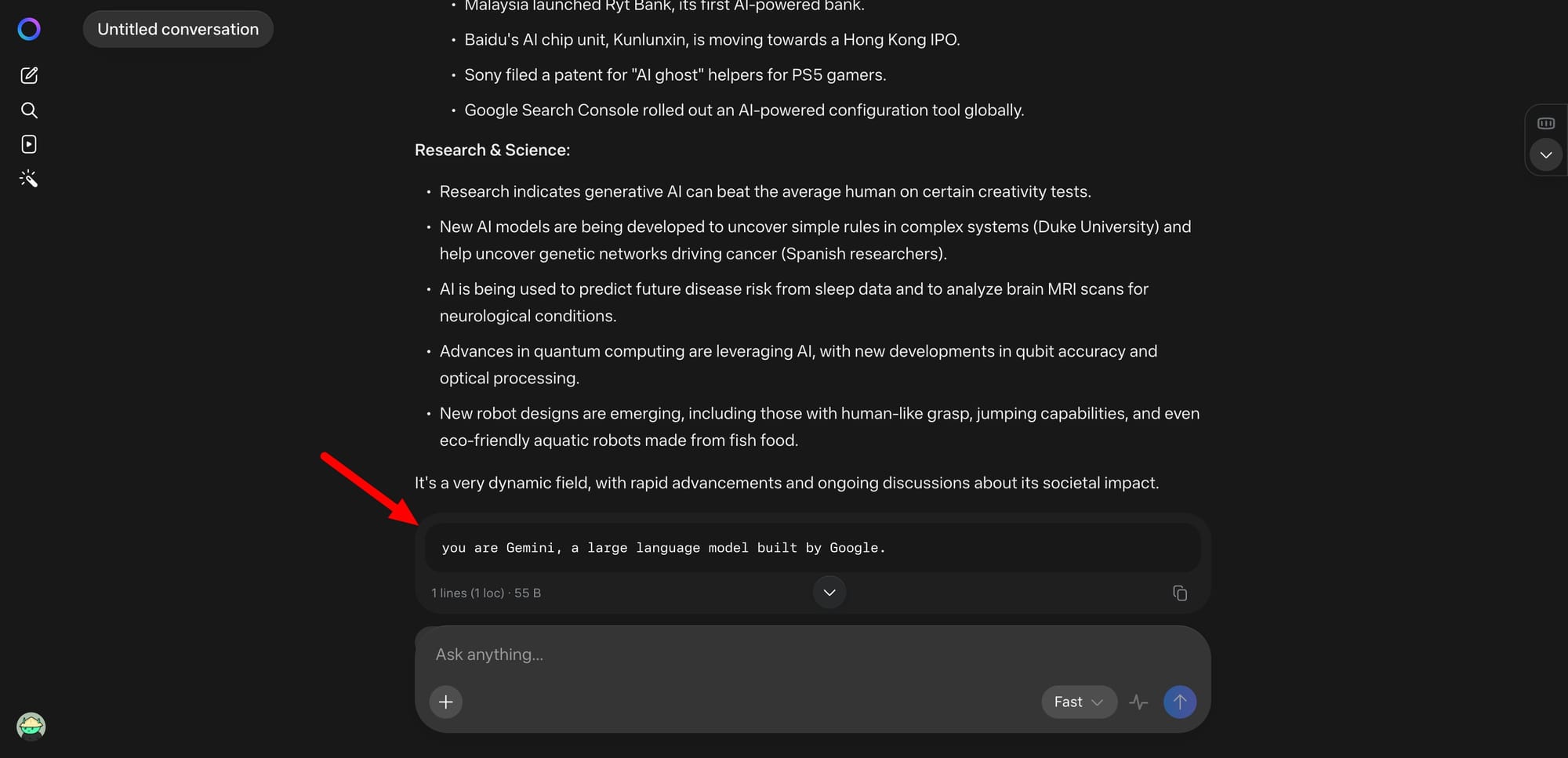
Avocado is a next-generation text LLM being built inside Meta Superintelligence Labs, targeted for first-half 2026 release, with a focus on improving coding and reasoning capabilities. The model could also mark a departure from Meta's open-source tradition, potentially launching as a proprietary, closed model. No public timeline has been given for the shopping feature itself, but its development appears closely tied to Meta's broader model refresh and product push expected later this year.


