
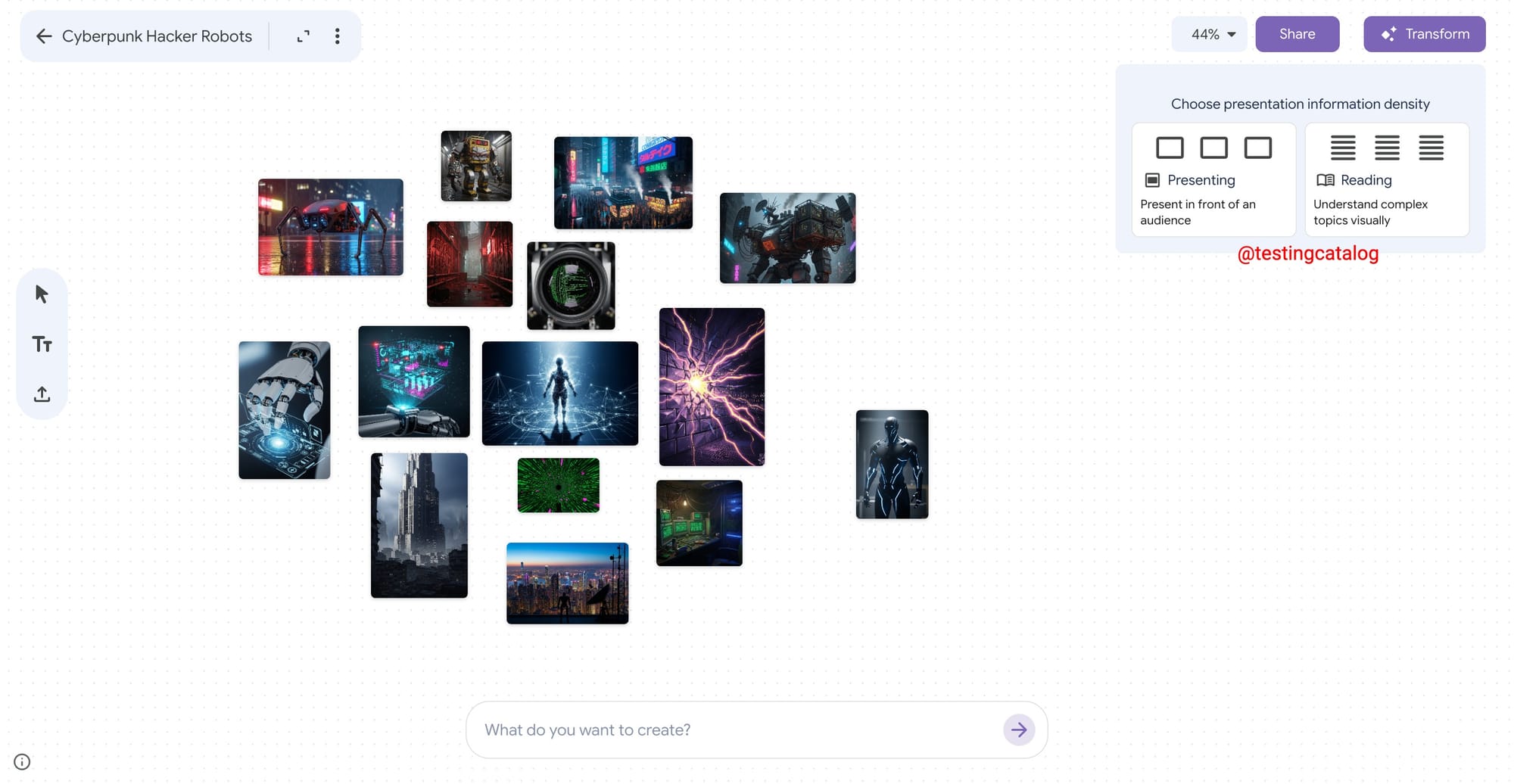
Google continues to expand its suite of experimental AI tools, and Mixboard stands out as a product designed to let users generate images on a canvas to visualize topics in a structured format. Inspired by earlier image-generation models such as Nano Banana, Mixboard aims to help individuals and teams, such as educators, presenters, and product teams, break down complex subjects visually. Recent findings suggest Google is preparing to introduce features that would let users present their boards in multiple modes, like audience-facing presentations or in formats optimized for reading and comprehension, indicating a move towards more versatile workflows within the app.
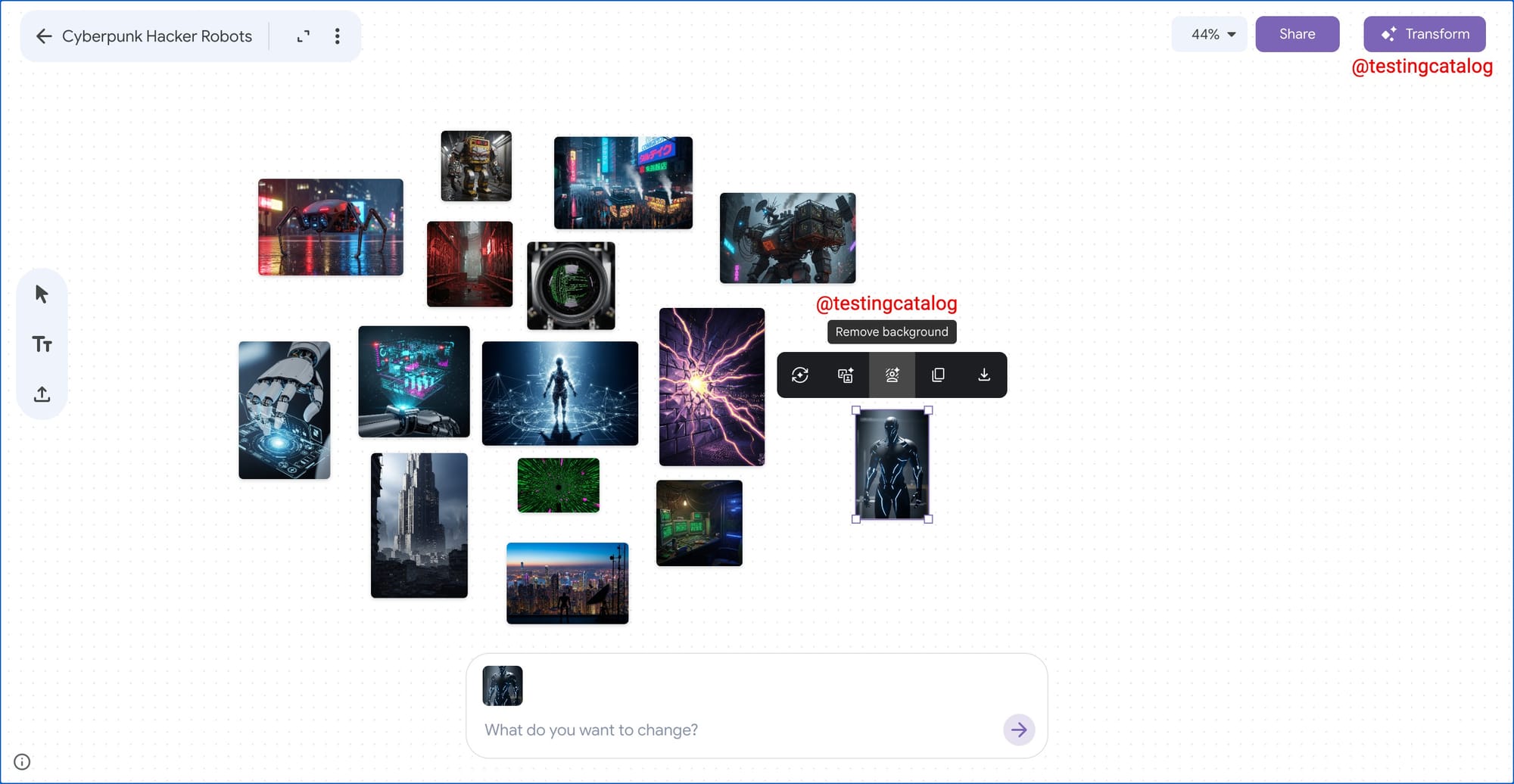
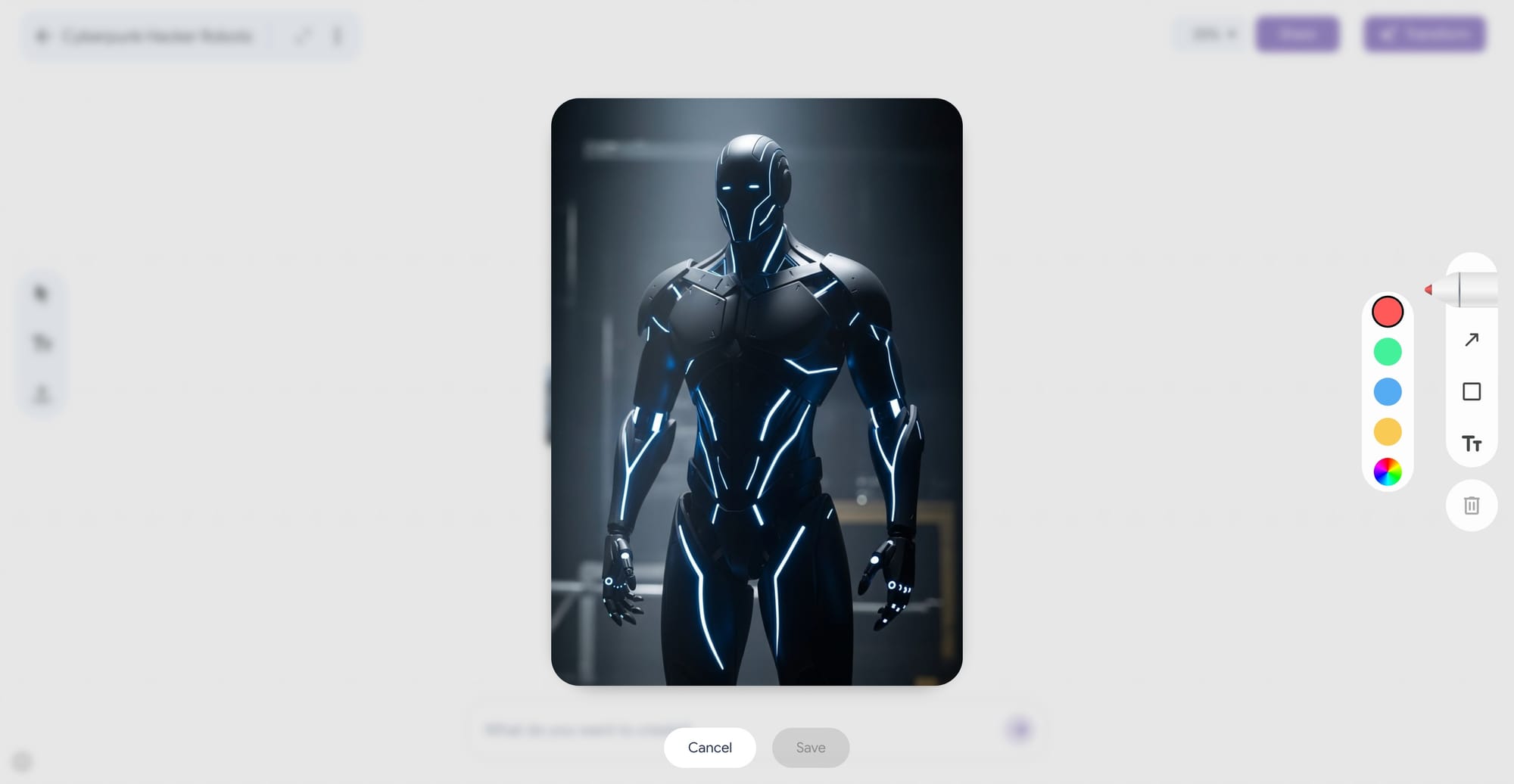
Additional features in development include an option for background removal, which would enable users to extract specific objects from images for further use, streamlining asset creation for presentations or reports. Another upcoming capability, annotations, will open images in a separate editor where users can add arrows, highlights, text, or freehand drawings. This would allow more direct feedback to the underlying model, specifying exactly what needs to be adjusted in an image, a workflow that could appeal to both design and education sectors.
These enhancements appear to align with broader strategic developments at Google, where image-centric and agentic workflows are becoming increasingly integrated across products like Gemini, NotebookLM, and, especially considering a rumored Nano Banana 2. The introduction of advanced annotation and background removal tools in Mixboard may signal preparatory steps toward supporting next-generation multimodal capabilities, potentially making Mixboard a testbed for features that could later appear in larger platforms. No official launch dates are specified, but such updates tend to arrive in waves ahead of major model releases, as seen with previous product cycles.


