
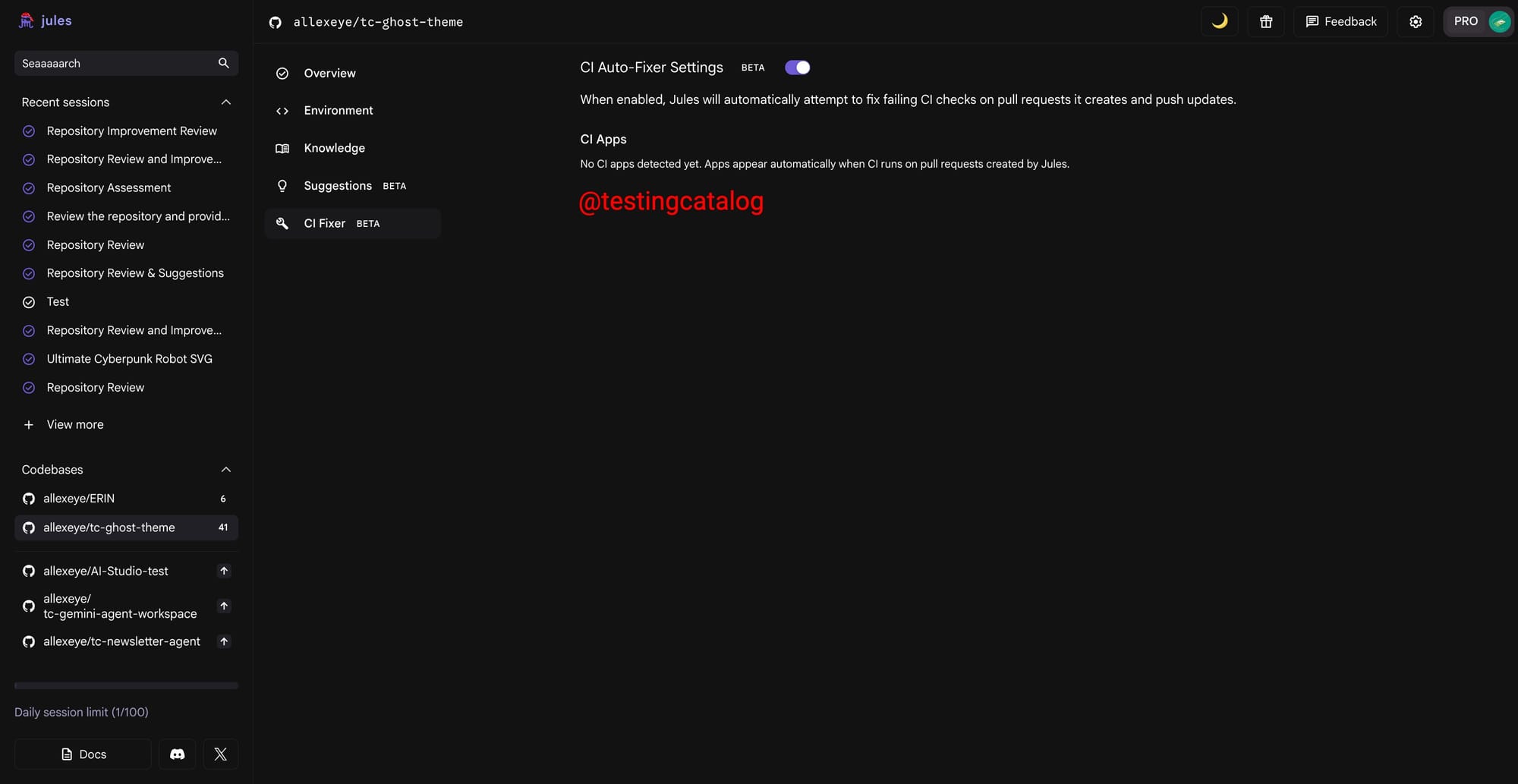
Google continues to expand the capabilities of Jules, its coding agent, with several new features and integrations now appearing for users. One of the most impactful updates is the introduction of a CI fixer in project settings. This function enables Jules to automatically address and resolve continuous integration failures during project builds. While this may slightly increase job duration, it significantly reduces manual intervention for recurring CI issues, catering directly to developers and teams seeking smoother deployment cycles.
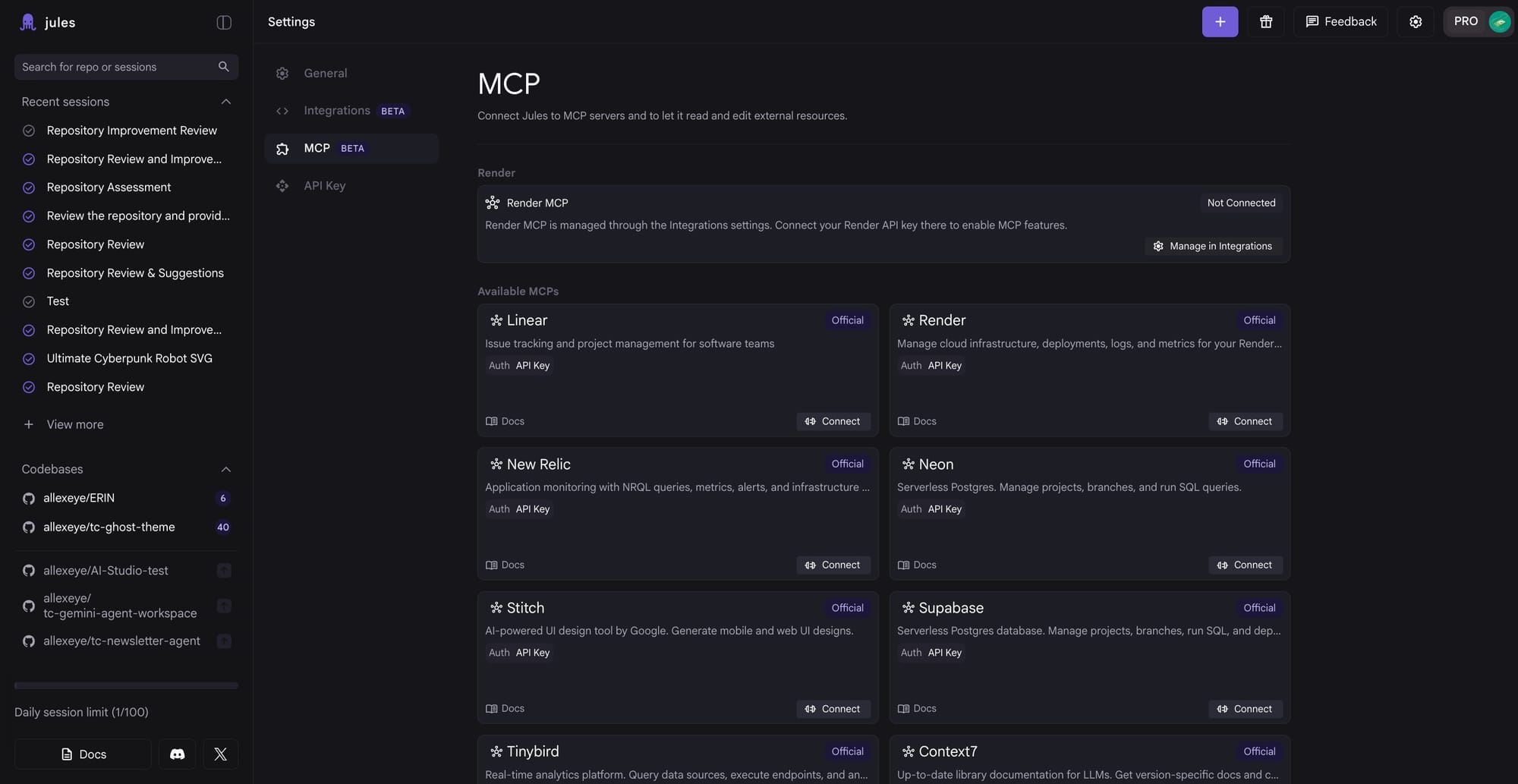
In the broader settings, MCP has received a notable upgrade. Initially limited to Render, the list of available integrations now includes Linear, New Relic, Supabase, Neon, and Google’s own AI design agent, Stitch. The integration with Stitch, made possible via newly issued API keys, allows Jules to trigger design workflows and incorporate design feedback directly, which can streamline both front-end and back-end collaboration for development teams. This positions Jules as a more connected solution across the modern software stack.
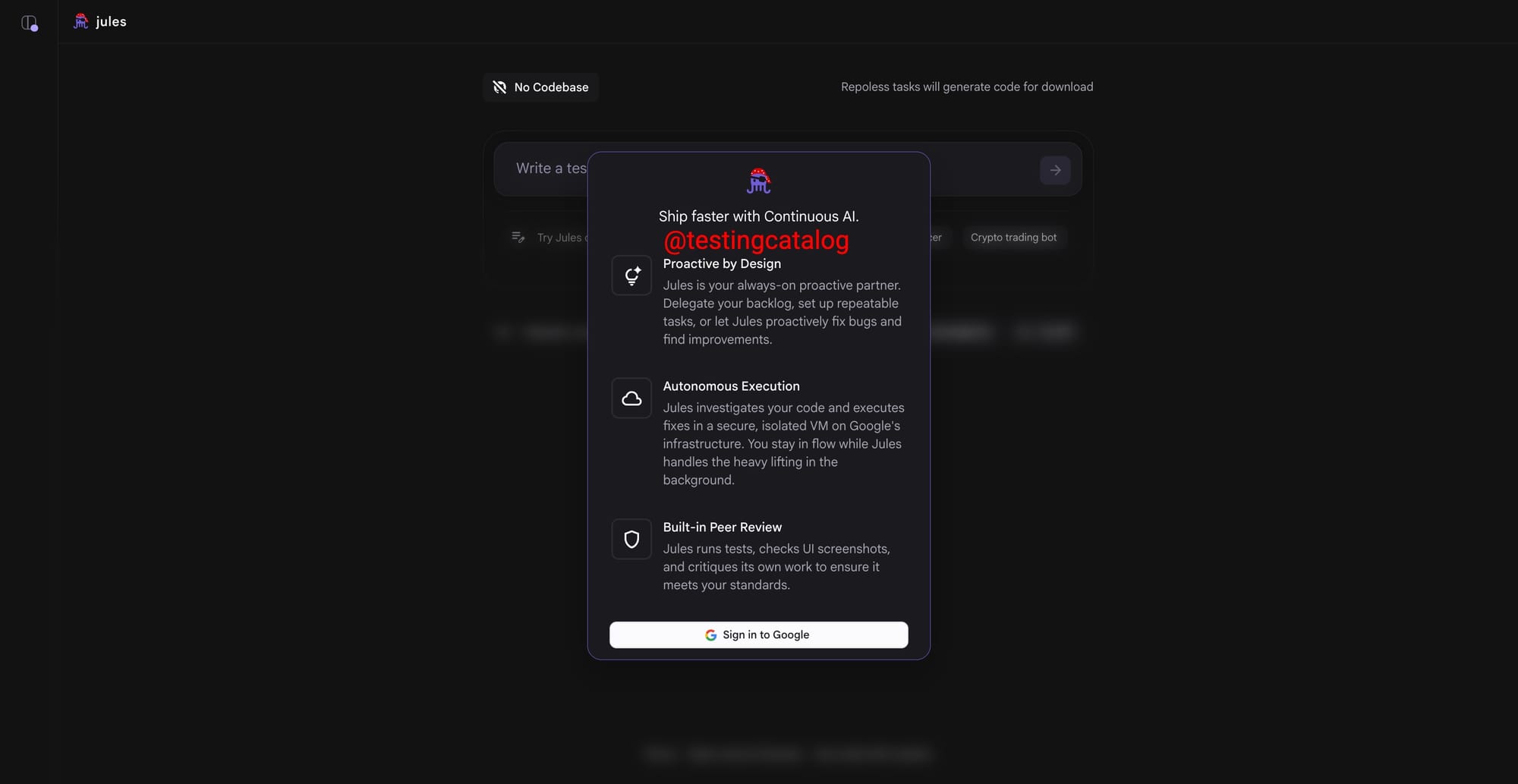
There are additional signs that Google is pushing towards fully autonomous agent behavior for Jules. Recent UI changes hint at future support for continuous and proactive operations, where agents handle backlog items, automate bug fixes, and implement improvements without requiring constant prompts. Secure, isolated execution environments and built-in peer review processes also align Jules more closely with the needs of larger engineering organizations, focusing on reliability and code quality. However, some commonly requested integrations, such as Slack, are still absent. Their addition would further expand Jules’ reach into existing communication and workflow platforms, making it even more valuable for distributed teams.
Google released MCP integrations and a new "CI Fixer" feature in Beta for Jules SWE Agent.
— TestingCatalog News 🗞 (@testingcatalog) January 29, 2026
CI Fixer "When enabled, Jules will automatically attempt to fix failing CI checks on pull requests it creates and push updates."
New MCPs include Linear, New Relic, Supabase, Neon,… pic.twitter.com/kKo8H9aGmC
These updates reflect Google's current strategy to position Jules as a central, autonomous agent capable of executing complex tasks independently and interacting with a growing ecosystem of tools. The direction suggests continued investment in agent-driven automation and tighter integration with the broader suite of Google’s developer products.


