
Google has officially launched Gemini 2.5 Flash Image, a production-ready image generation and editing model now available to developers and enterprises. This release opens access to a broader audience through the Gemini API, Google AI Studio, and Vertex AI, supporting both individual creators and organizations looking for scalable visual solutions. The model is now generally available and not limited to a select group, making it accessible for global use wherever these Google platforms operate.
Explore model capabilities in our demo app, Fit Check, a digital stylist that uses 2.5 Flash Image for character consistency to change clothes, poses, and more from an uploaded photo: https://t.co/lY1IPemPCr pic.twitter.com/LMY1PqtP9d
— Google AI Developers (@googleaidevs) October 2, 2025
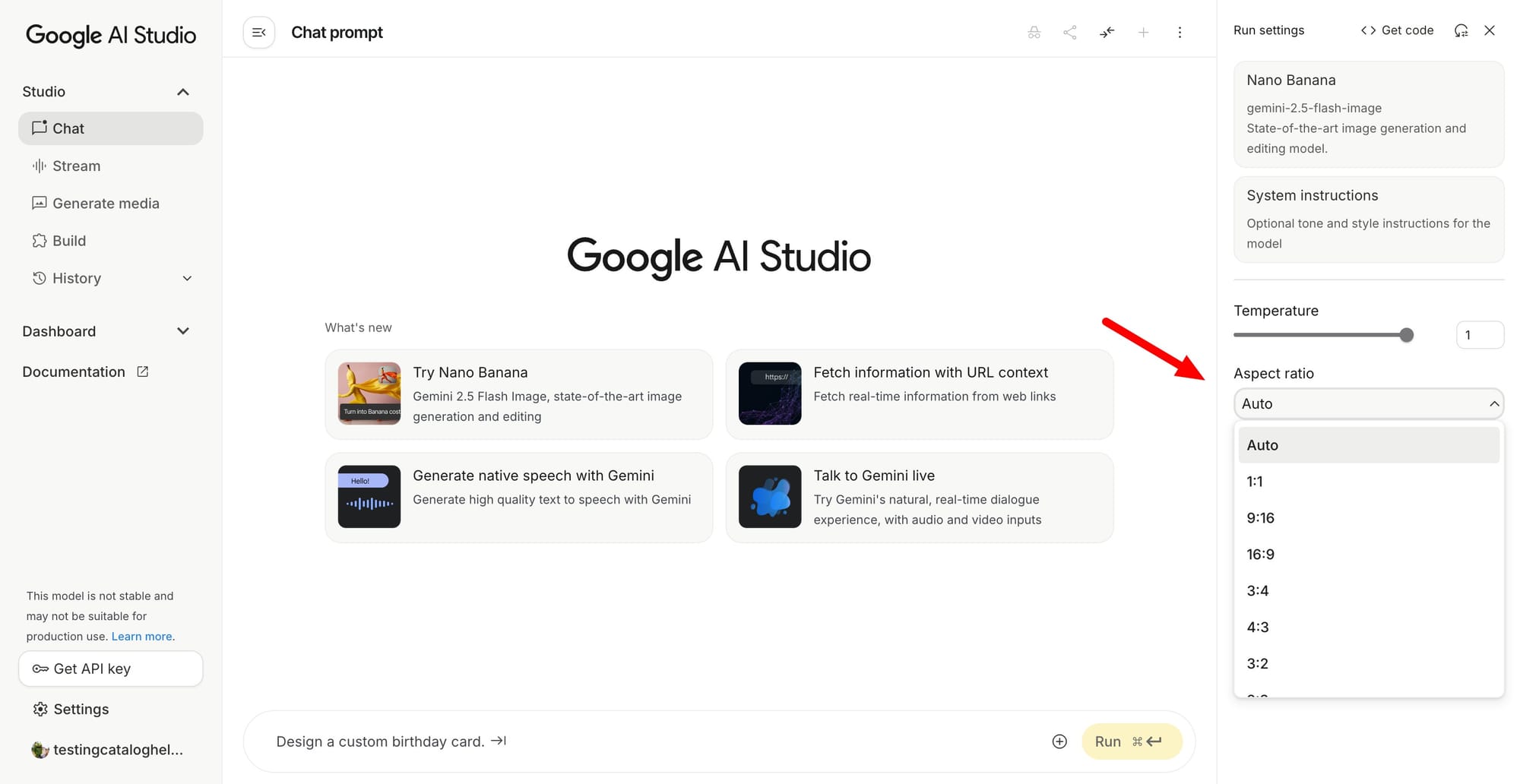
Gemini 2.5 Flash Image introduces technical advancements such as support for 10 aspect ratios, including landscape, portrait, square, and flexible formats, allowing for tailored content creation across different media types. Users can blend multiple images, maintain character consistency for narrative work, and perform precise, natural language edits, all while leveraging Gemini’s knowledge base. Compared to previous models, Gemini 2.5 Flash Image is distinguished by its ability to render characters from any camera angle without sacrificing world knowledge or pose fidelity, addressing challenges faced by platforms like Cartwheel. The system operates at low latency, typically under 10 seconds, enabling real-time applications as demonstrated by Volley in their AI-powered game sessions.
Google released Nano Banana model in GA (non-preview) with support for a broader range of different aspect ratios. Already available on AI Studio.
— TestingCatalog News 🗞 (@testingcatalog) October 2, 2025
Supported ratios include:
- Landscape: 21:9, 16:9, 4:3, 3:2
- Square: 1:1
- Portrait: 9:16, 3:4, 2:3
- Flexible: 5:4, 4:5 https://t.co/8EFkYHEM2U pic.twitter.com/Q1Eg48OMKm
Developers and companies worldwide are already integrating Gemini 2.5 Flash Image into creative workflows, educational tools, and live interactive experiences. Google’s new pricing structure sets the cost at $0.039 per image and $30 per million output tokens, maintaining competitive rates for enterprise adoption.


