

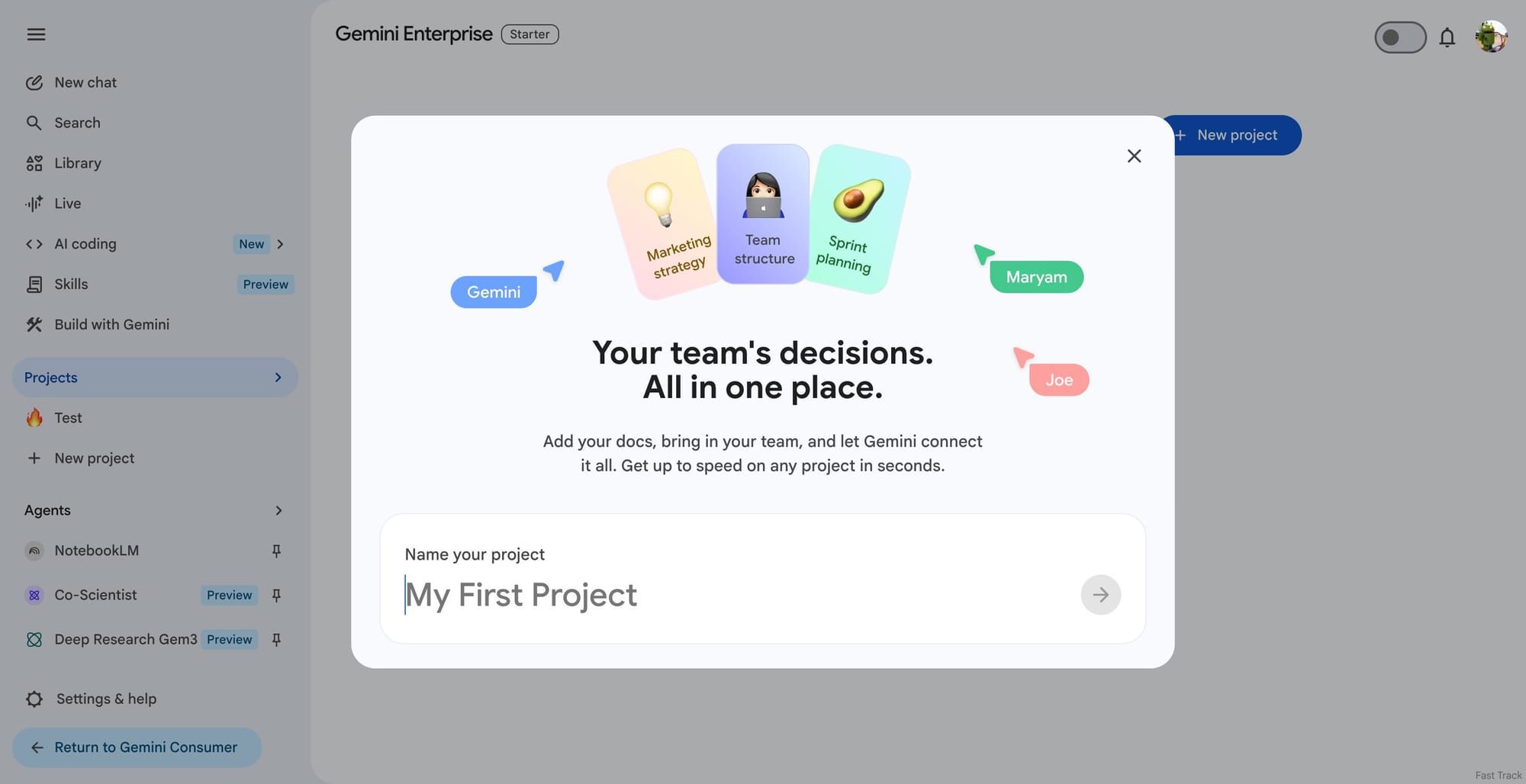
Google is continuing to push Gemini for Business deeper into team workflows, with several updates moving from internal development toward broader rollout. The most notable change centers on Projects, a feature that already exists in Gemini Enterprise but is being adapted for the Business tier, with a structure distinct from that of consumer Gemini.
These are true container projects where individual chats live inside dedicated folders, alongside uploaded files that can be managed within the same project, a setup that turns each project into a multi-surface workspace rather than a single chat thread.
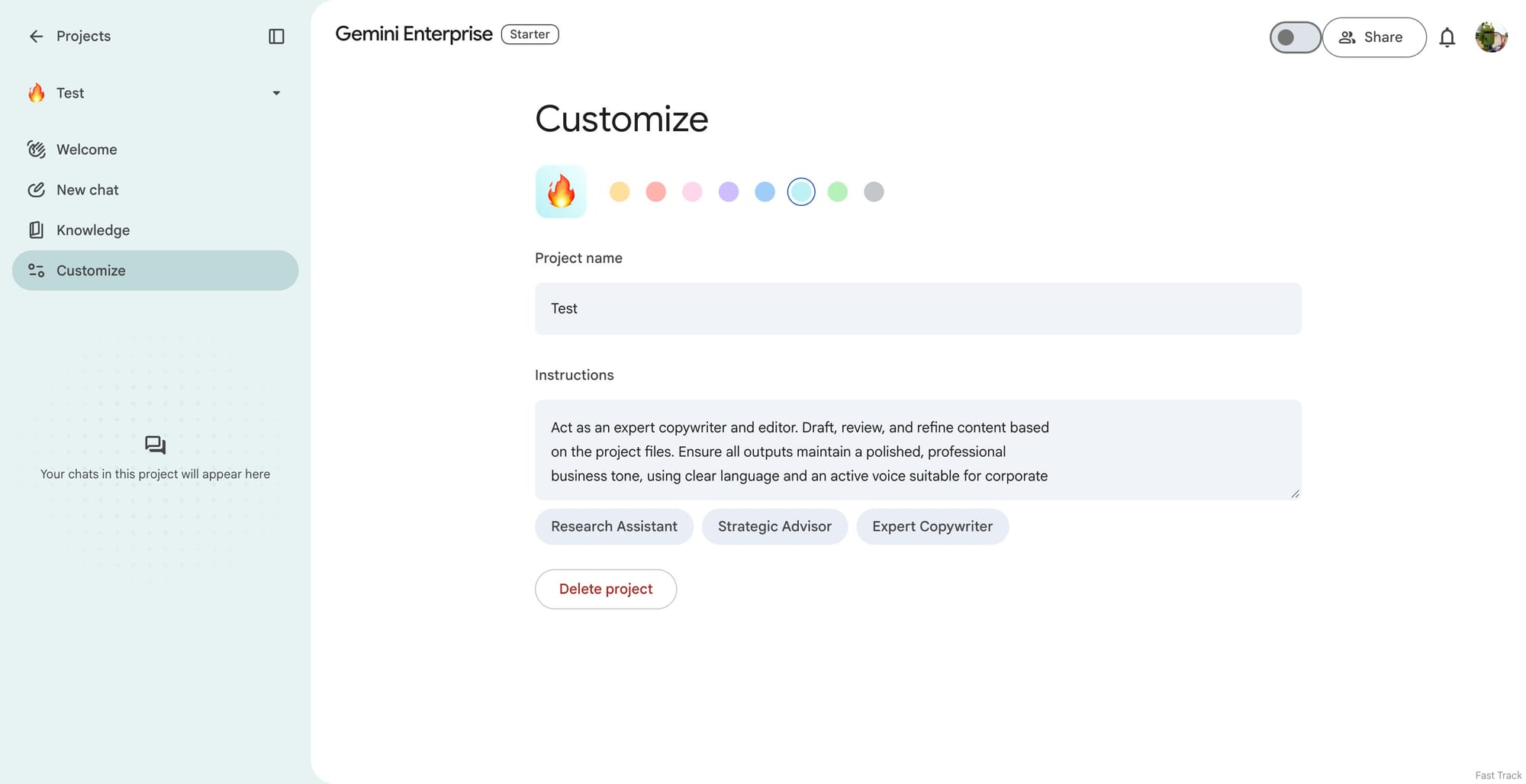
Customization extends beyond organization. Users can assign a color to each project, define system instructions that apply across every chat inside it, and invite collaborators to work in the same workspace. That last point is where things get interesting: the collaboration model lets multiple people access and respond inside the same chat, mirroring the group chat pattern Microsoft introduced in Copilot but framed around business team contexts. This particular implementation looks unlikely to make its way to the consumer Gemini app, though further expansion across Business seats appears probable.
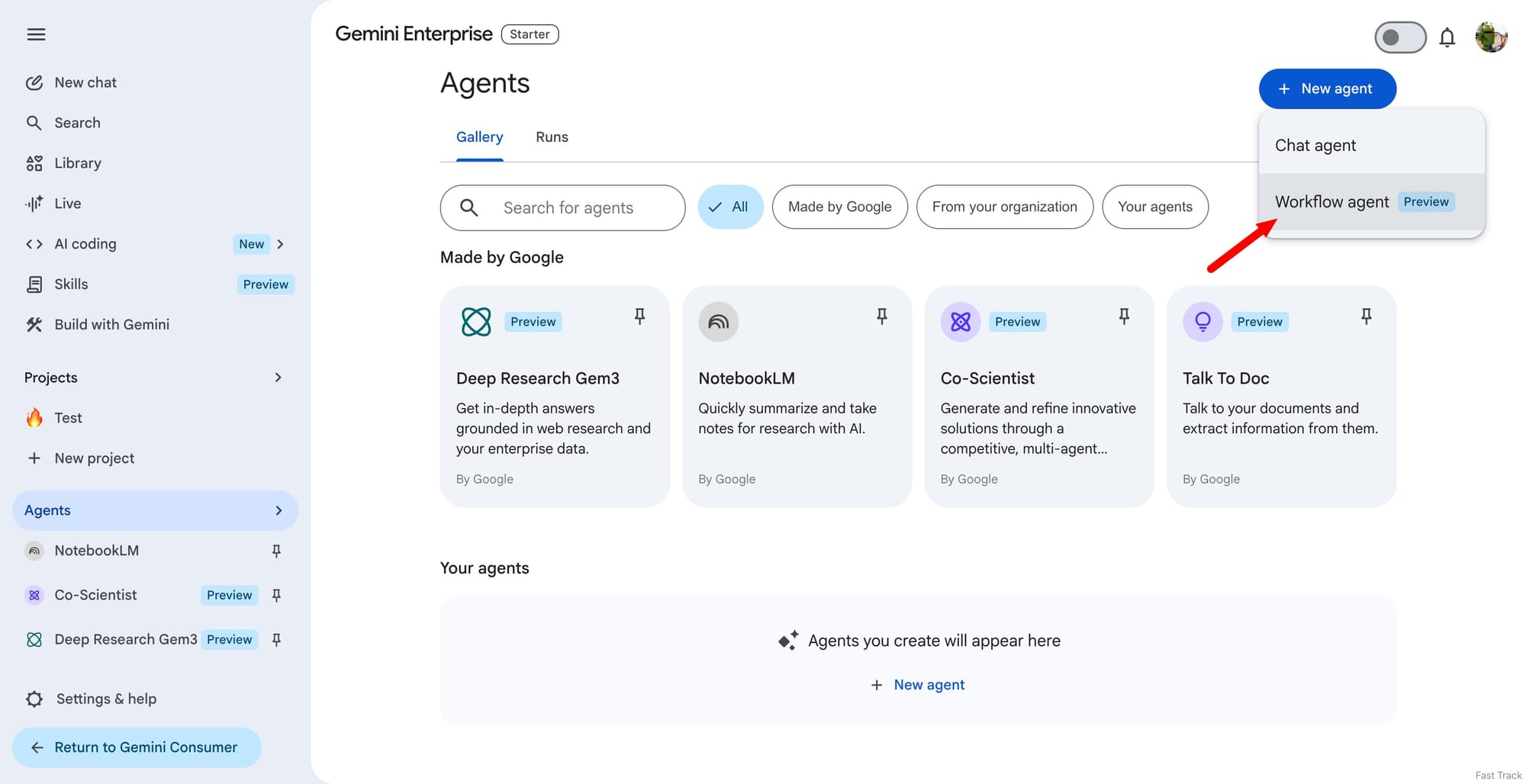
In parallel, Google is bringing workflow agents to Gemini for Business, building on the agent platform already available in the Enterprise edition. A reworked builder lets users configure automated, scheduled tasks that call connectors across the Google suite and beyond, covering Gmail, Drive, Calendar, and various third-party tools.
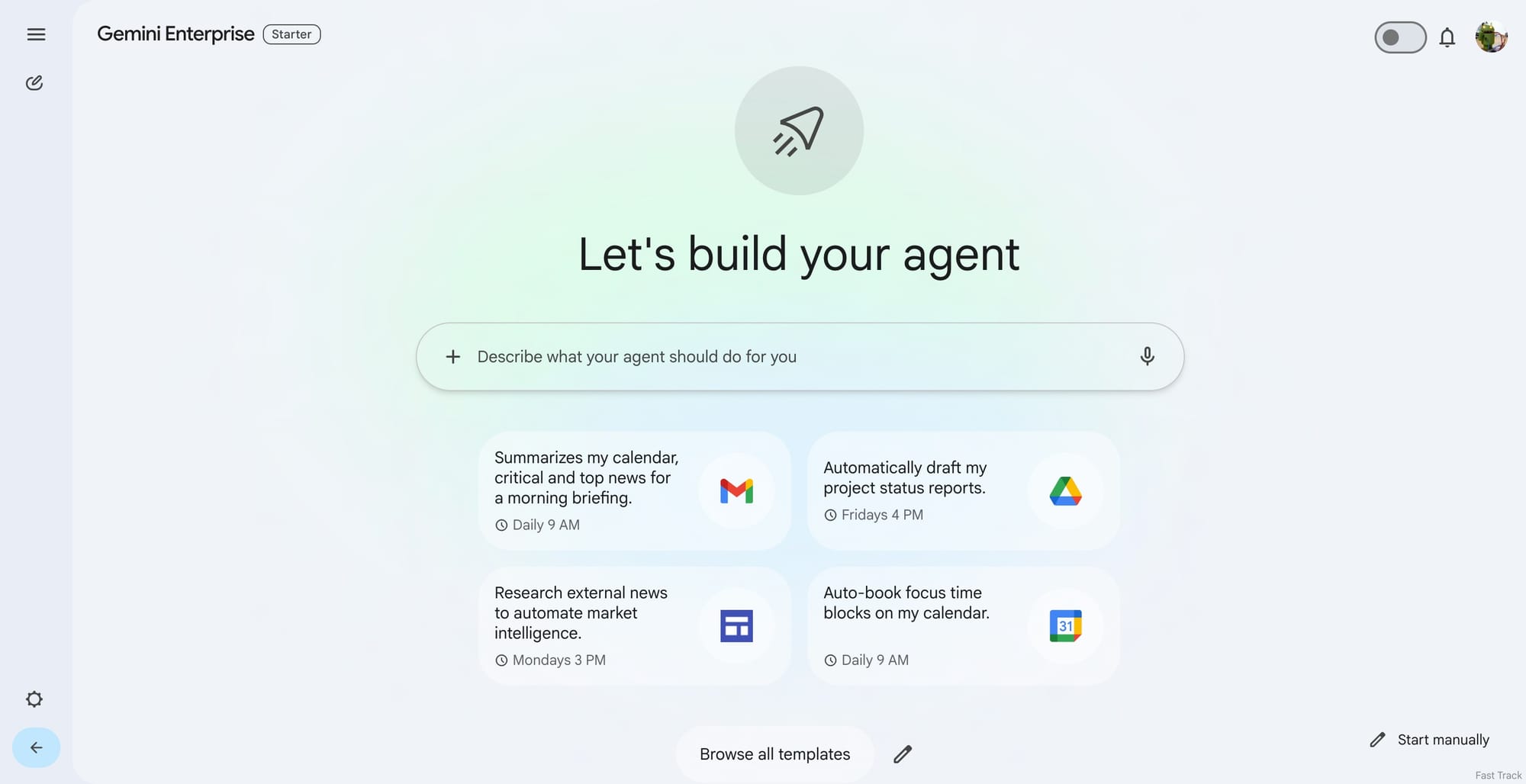
Availability follows the usual staged pattern, with some accounts already seeing these capabilities while others wait their turn. The overall trajectory positions Gemini for Business as a closer counterpart to Enterprise, narrowing the feature gap between the two tiers while keeping shared workspaces and agent orchestration as the central pitches for paying teams. Pairing project-level memory with scheduled agents also lines Google up against the always-on assistants taking shape across Microsoft, Anthropic, and OpenAI, where the competitive question is increasingly which platform can run reliable, multi-step work on behalf of a whole team rather than a single user.


