
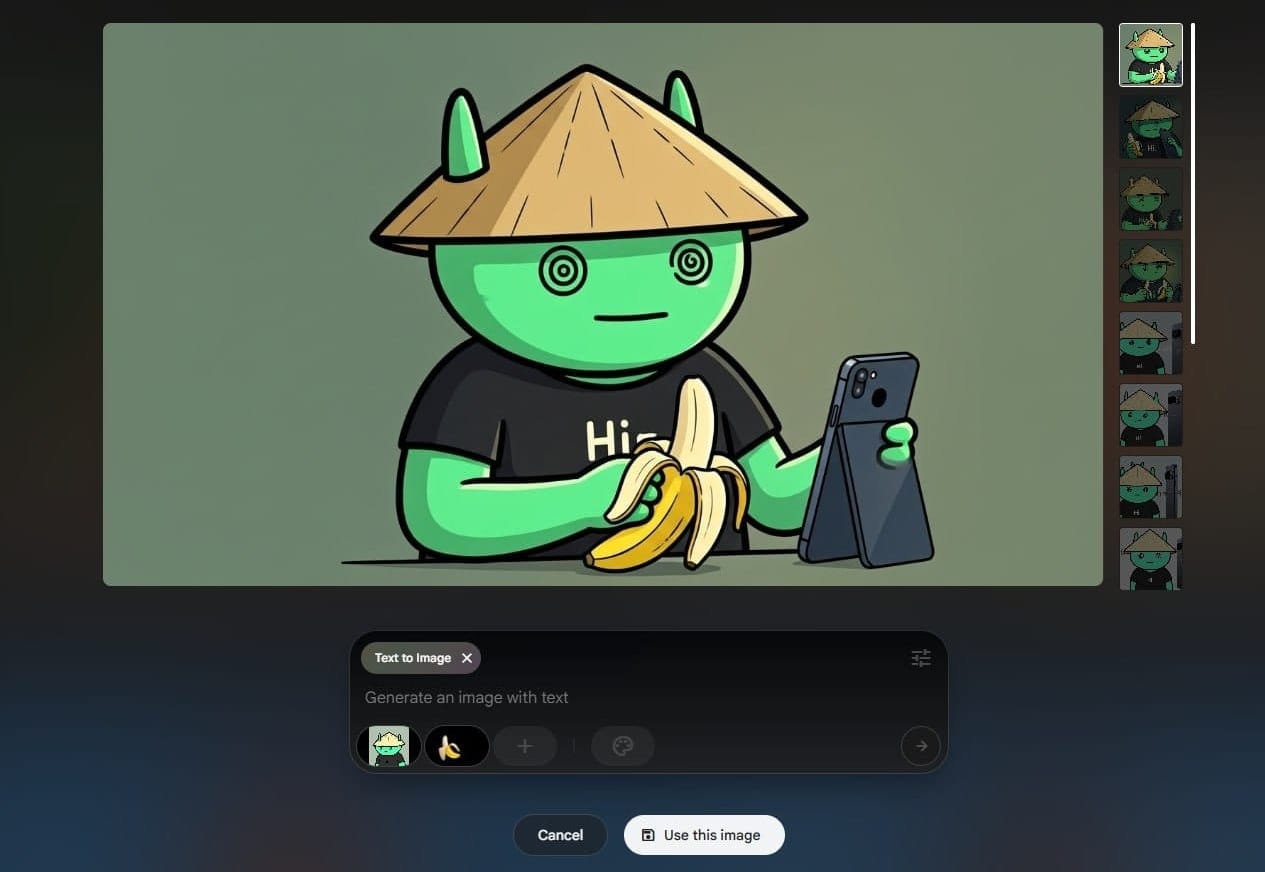
As anticipation grows around the nano-banana model, Google is steadily laying the groundwork for its integration across several creative tools. The upcoming deployment of this model isn’t limited to just Gemini and Whisk; there are signs it will also be featured in Flow, specifically as part of a new Text-to-Image capability. This feature is expected to allow users to input reference images, after which Flow will generate multiple variations suitable for direct use in video creation. With this approach, Flow could become a comprehensive resource for creators who want to handle both image and video production in a single environment, potentially reducing the friction of moving assets between different platforms.
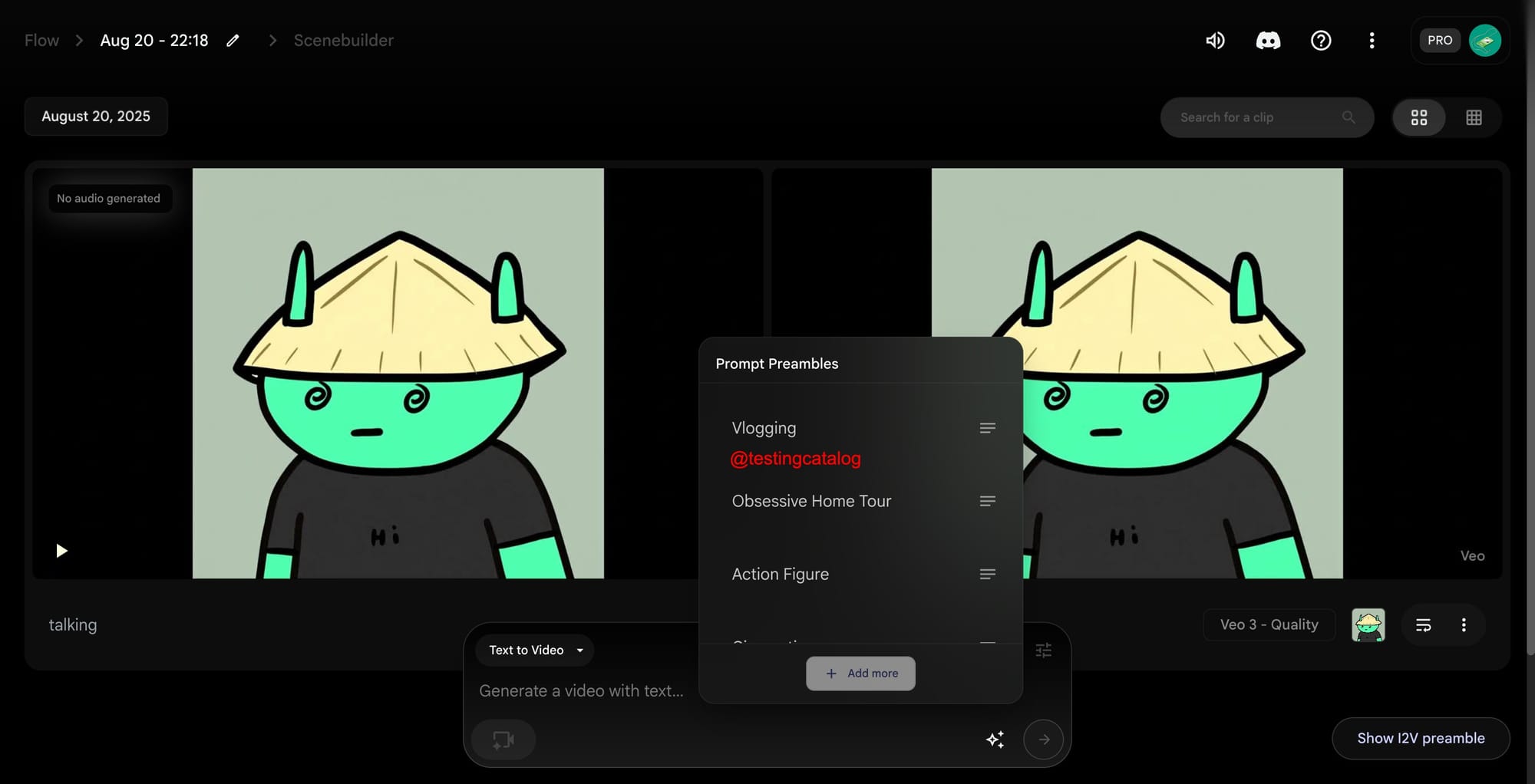
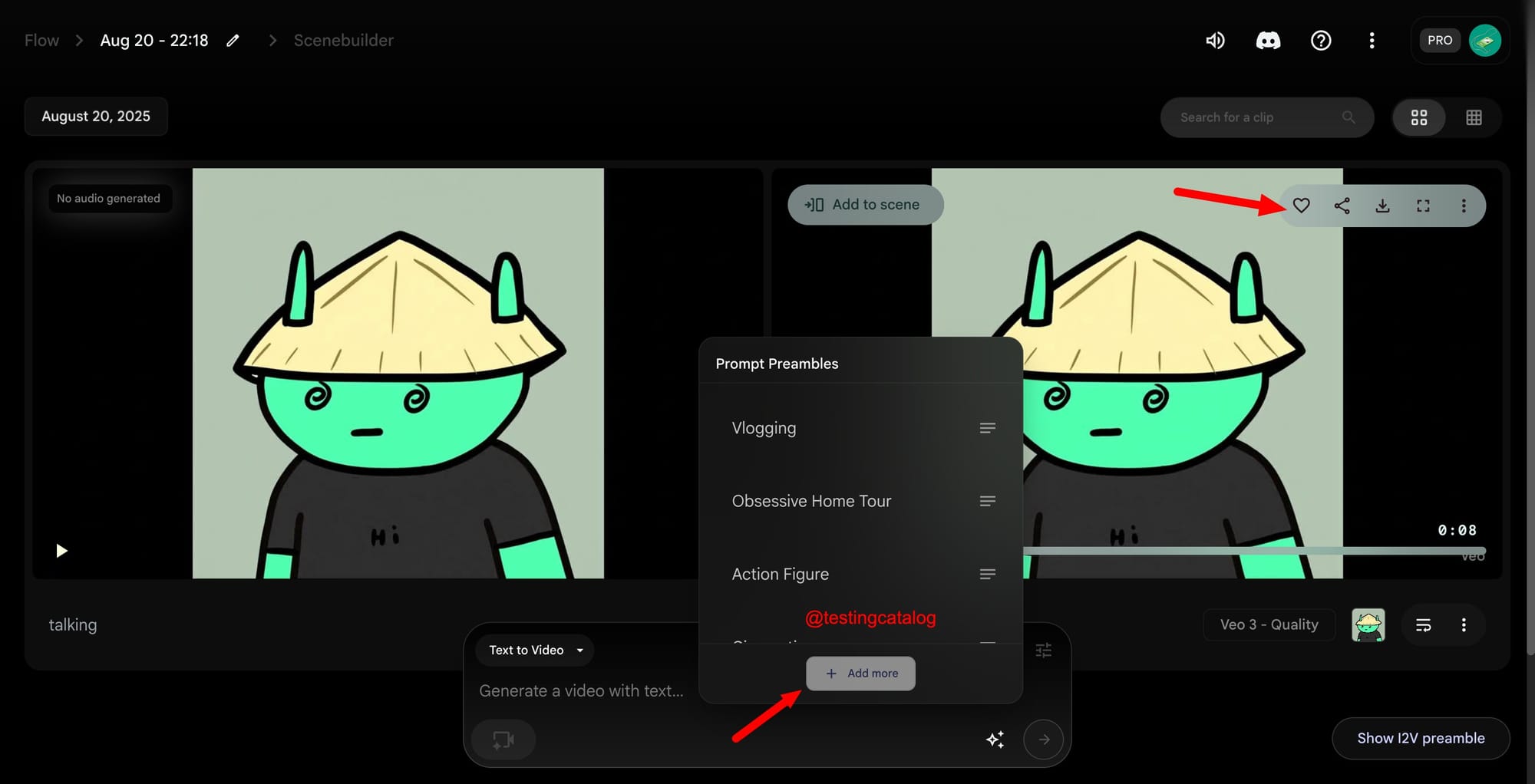
Among other improvements, Google is reportedly testing options for vertical aspect ratios, a practical update for users creating content for platforms like TikTok or YouTube Shorts. Another addition is the introduction of prompt “preambles,” where users can pick presets such as Vlogging or Cinematic, automatically expanding their prompts with contextually richer language. This should make it easier for users without extensive prompt engineering experience to achieve their desired outputs. Additional social features are also in development, including the ability to favorite videos and share them using QR codes. These small but practical updates are aimed at making content sharing and organization within the platform more seamless.
The nano-banana model itself is expected to push the capabilities of Google's AI generation forward, particularly around multimodal and reference-based image creation, in line with the company’s ongoing efforts to make their creative tools more accessible and versatile for both casual and professional users. While there’s no clear release timeline yet, the expansion of these features aligns with Google’s broader product strategy of consolidating creative workflows and catering to the rapidly evolving needs of digital creators.


