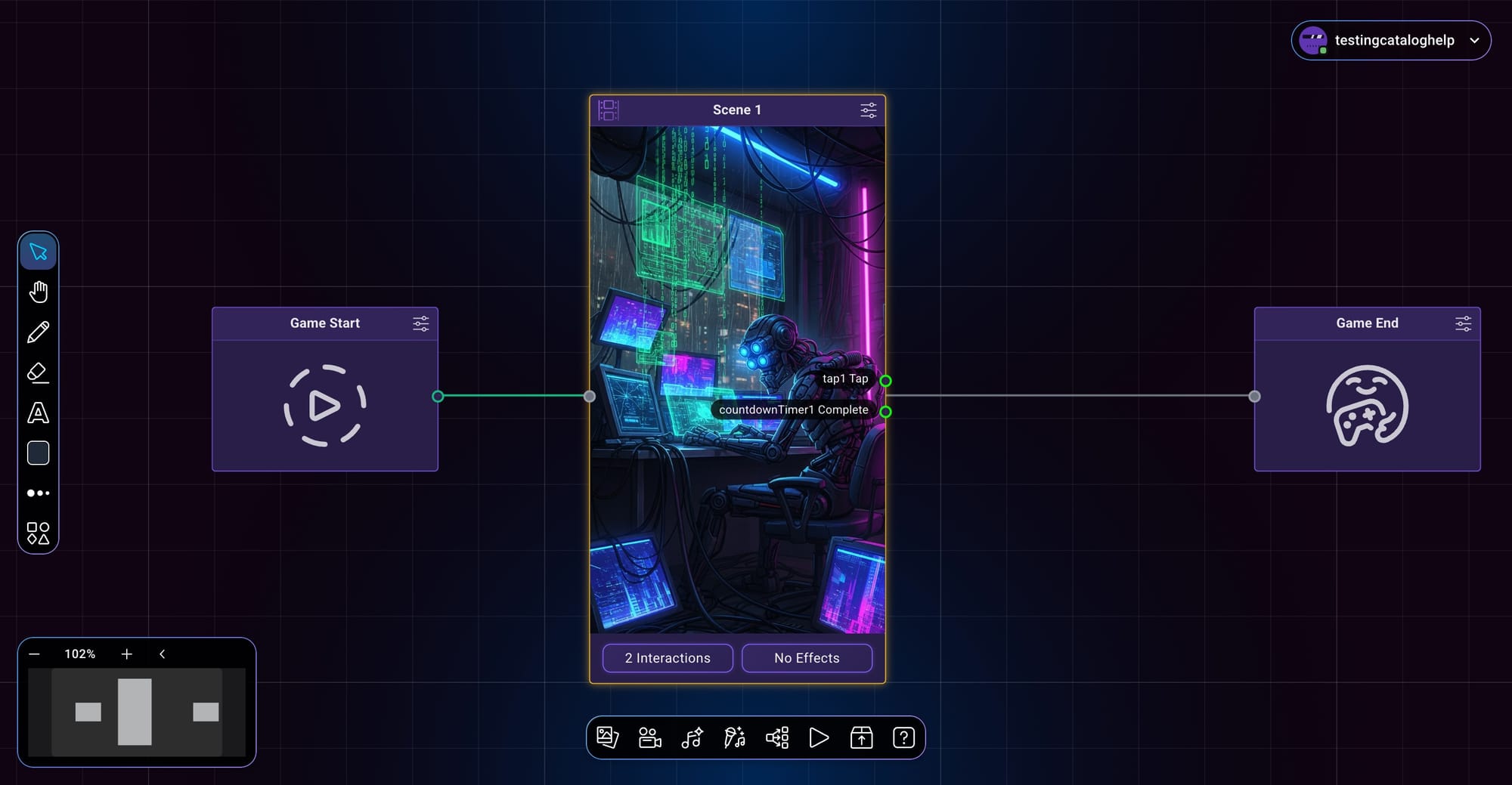
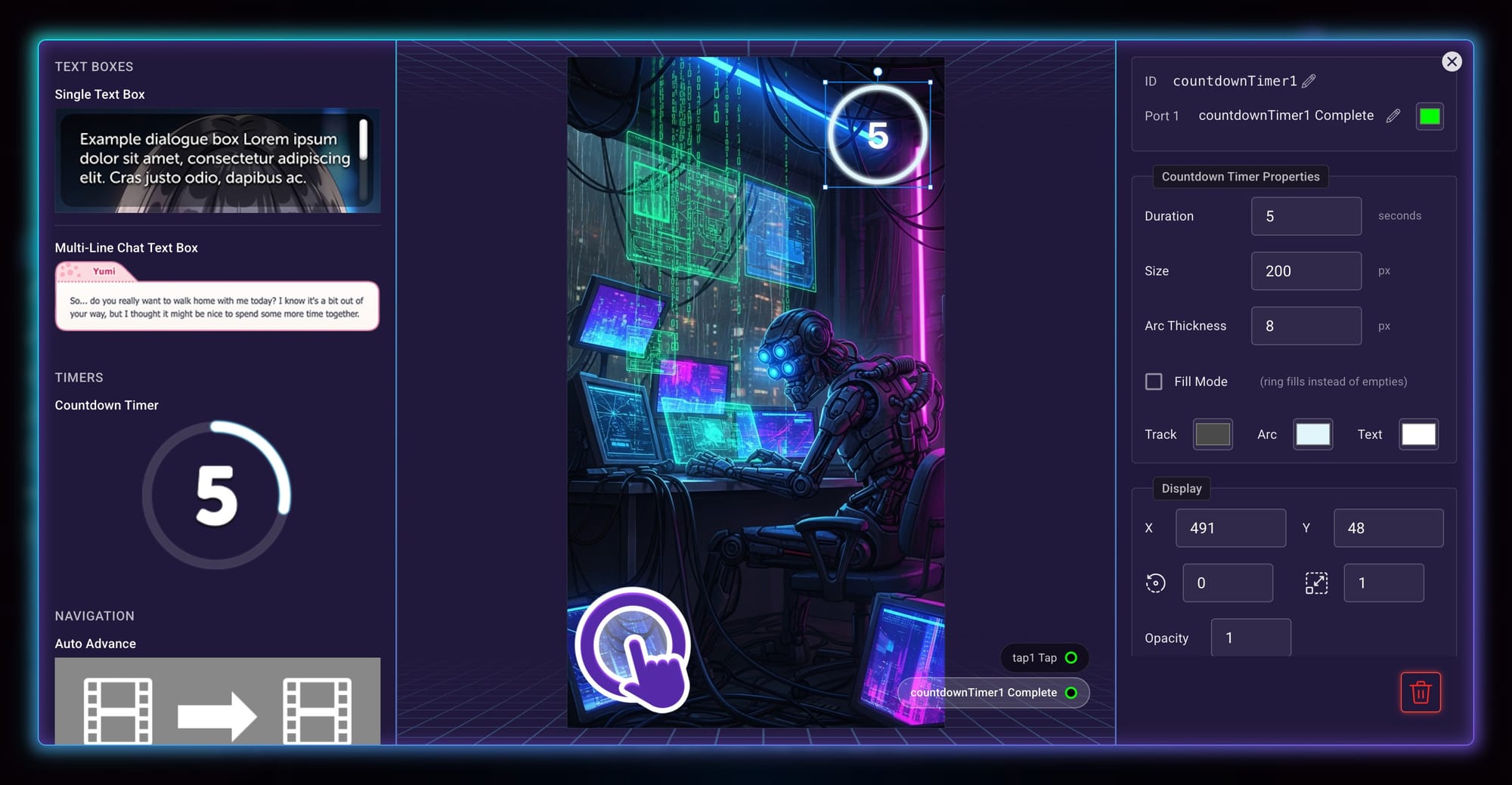
Beam has launched a Veo 3.1-powered “playable video” platform that transforms AI-generated clips into mini-games and branching stories, which can be published on the web. Creators can generate video, images, and music, then place scenes into Beam’s visual Grid editor, link them with branching logic, and publish a playable short in minutes without any coding.
Give Beam a try yourself to generate a playable mini game with Nano Banana Pro, Veo 3.1 Pro, Sora 2 Pro and many other Image and Video generation models!
Early creators are already developing dating sims, action and adventure mini-games, moving graphic novels with choice points, viral ASMR-style experiences, and playable pet stories. The rollout begins as an early-access program with unlimited free generations, with plans for creator monetization, discovery, and distribution features next.
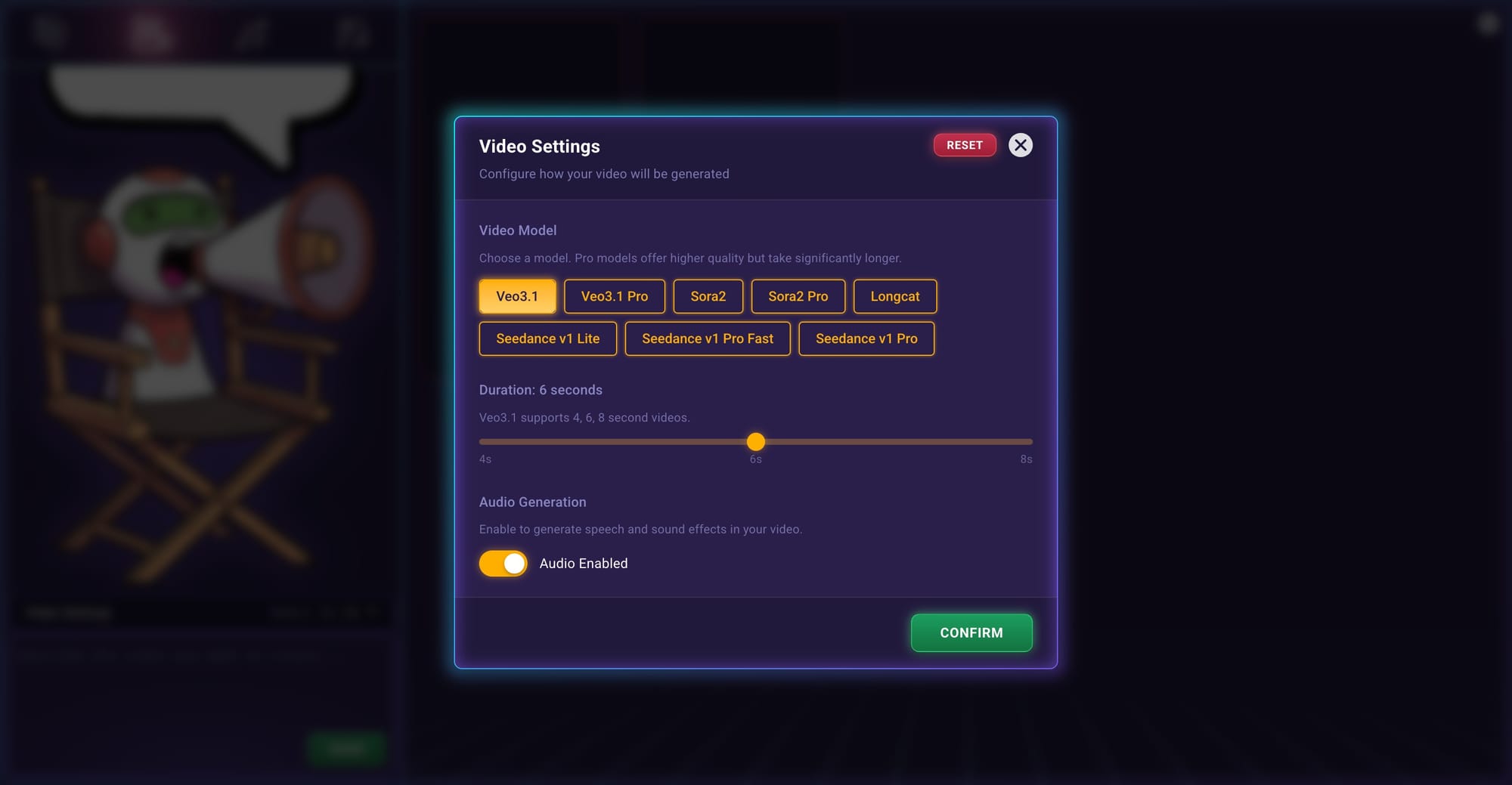
Veo 3.1 is positioned as the engine for high-fidelity generation behind these playable scenes, supporting audiovisual clips with native sound effects and dialogue, as well as outputs suited to modern short-form formats such as 16:9 and 9:16.
Google also describes creative controls like reference “ingredients” to maintain key elements consistently across shots and first-to-last-frame guidance for controlled scene transitions, with SynthID watermarking used to mark generated video.
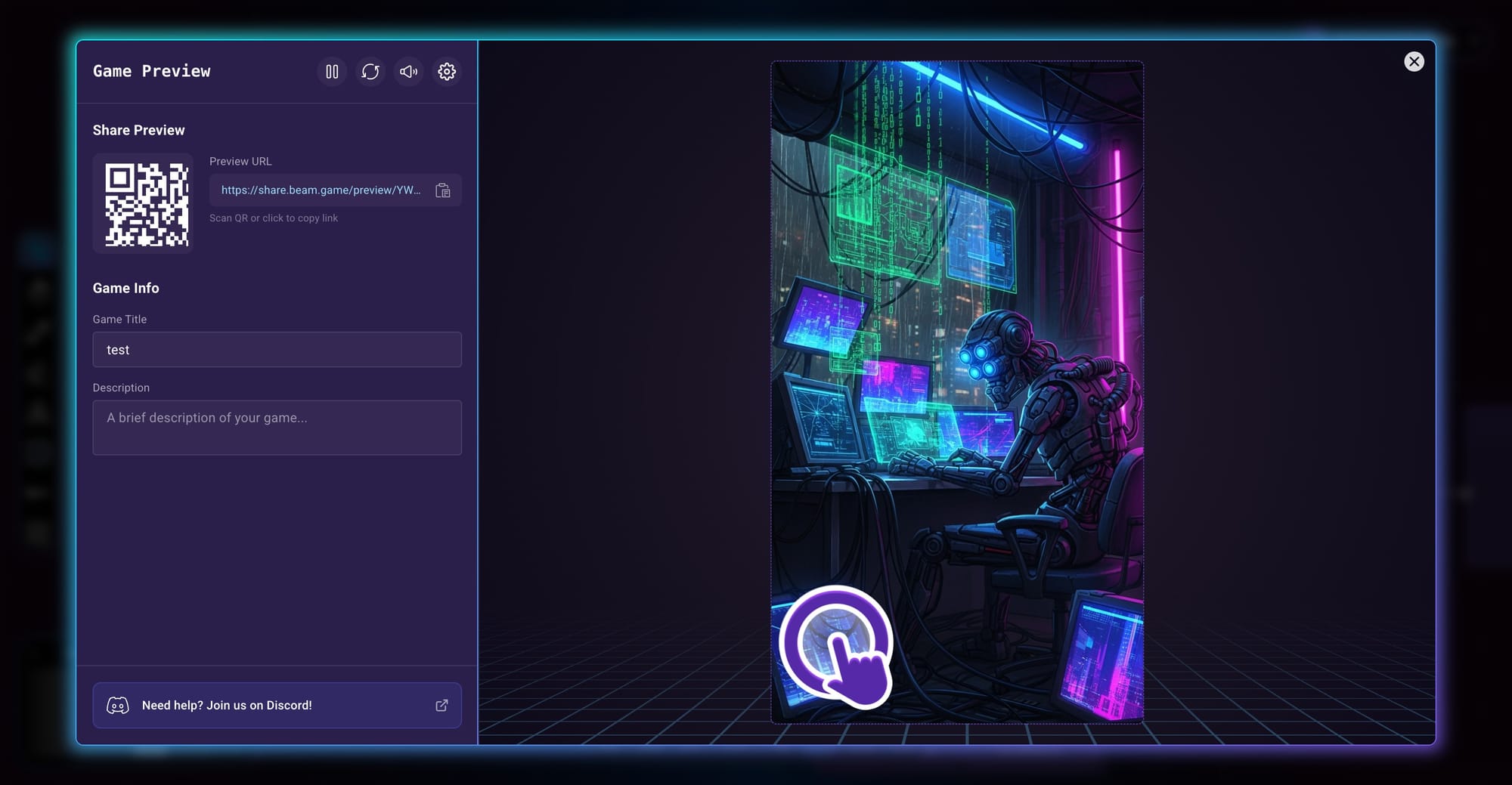
Beam is developed by Phaser Studio Inc., the team behind Phaser, an open-source HTML5 framework for 2D browser games built around WebGL and Canvas rendering across desktop and mobile. Phaser has been advancing towards no-code creation workflows, and Beam extends that trajectory with an infinite-grid style editor in the browser, betting that “playable video” can sit between short-form video and lightweight web games for the creator economy.