
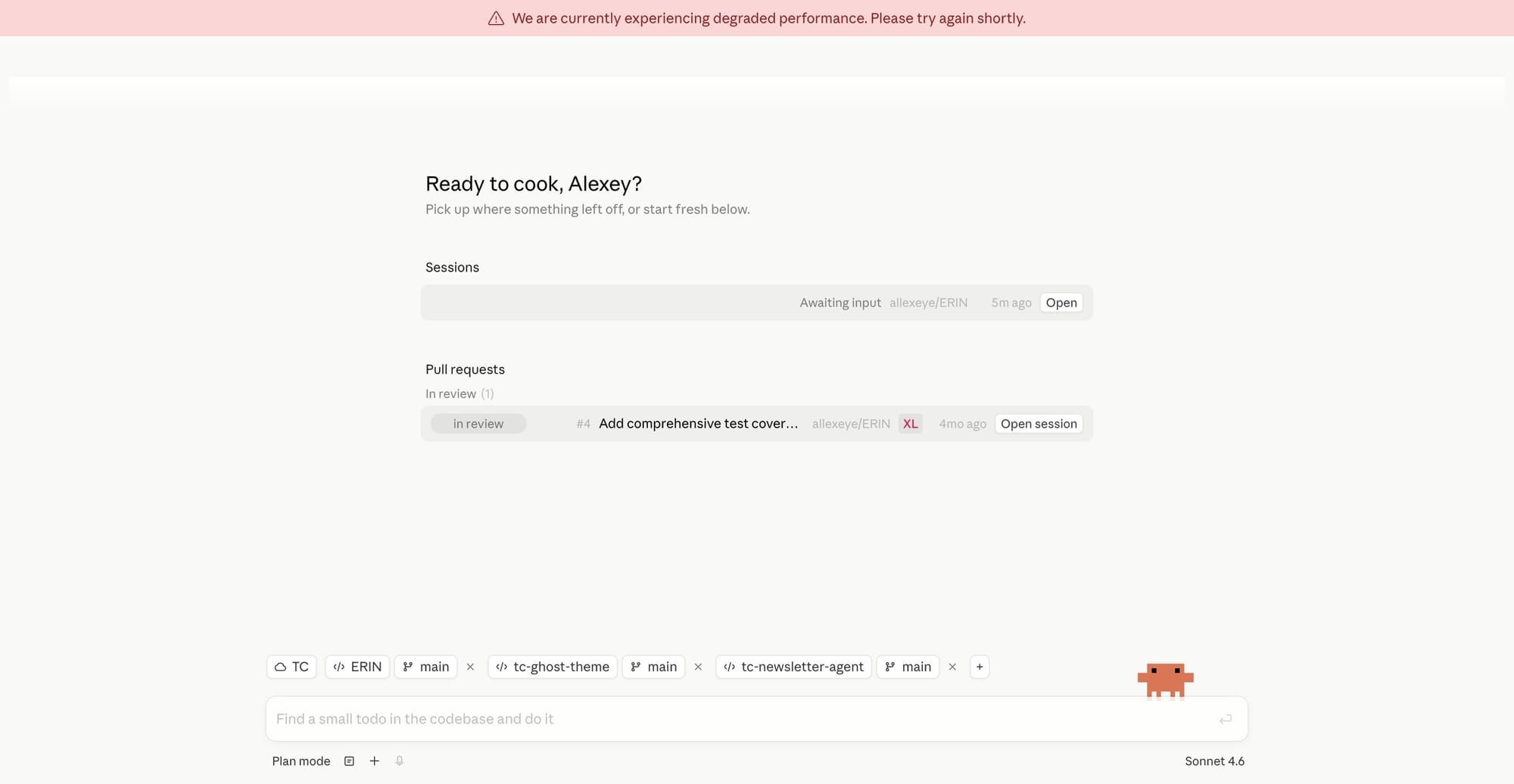
Anthropic is preparing a major overhaul of its Claude Code desktop experience under the internal codename “Epitaxy,” which first surfaced in late March alongside the broader Claude Code source code leak. While early signs pointed to something experimental, complete with playful animations and an unclear product direction, new findings suggest Epitaxy is evolving into a fully-fledged power-user interface.
Both Anthropic and OpenAI are gearing up to release updates to their desktop apps already next week.
— TestingCatalog News 🗞 (@testingcatalog) April 13, 2026
Anthropic is finalizing its new Claude Code "epitaxy" experience with a power-user-friendly UI, Cowork-style layout, and the possibility to work on multiple repositories at once.… pic.twitter.com/Z9tfiP5Vy7
The updated layout borrows design cues from Cowork, Anthropic’s desktop automation environment, and introduces dedicated panels for viewing a Plan, tracking Tasks executed by sub-agents, and reviewing Diffs, all within a single window. Users will also be able to preview running code directly in the app and work across multiple repositories simultaneously, addressing a longstanding limitation of the current single-session workflow.
Alongside the UI refresh, Anthropic is developing a Coordinator Mode that would let Claude act as an orchestrator, delegating implementation work across parallel sub-agents while focusing on planning and synthesis. Claude Code already supports sub-agents and experimental agent teams in the CLI, but Coordinator Mode appears designed to bring that capability into the desktop app with a more structured, visual interface.
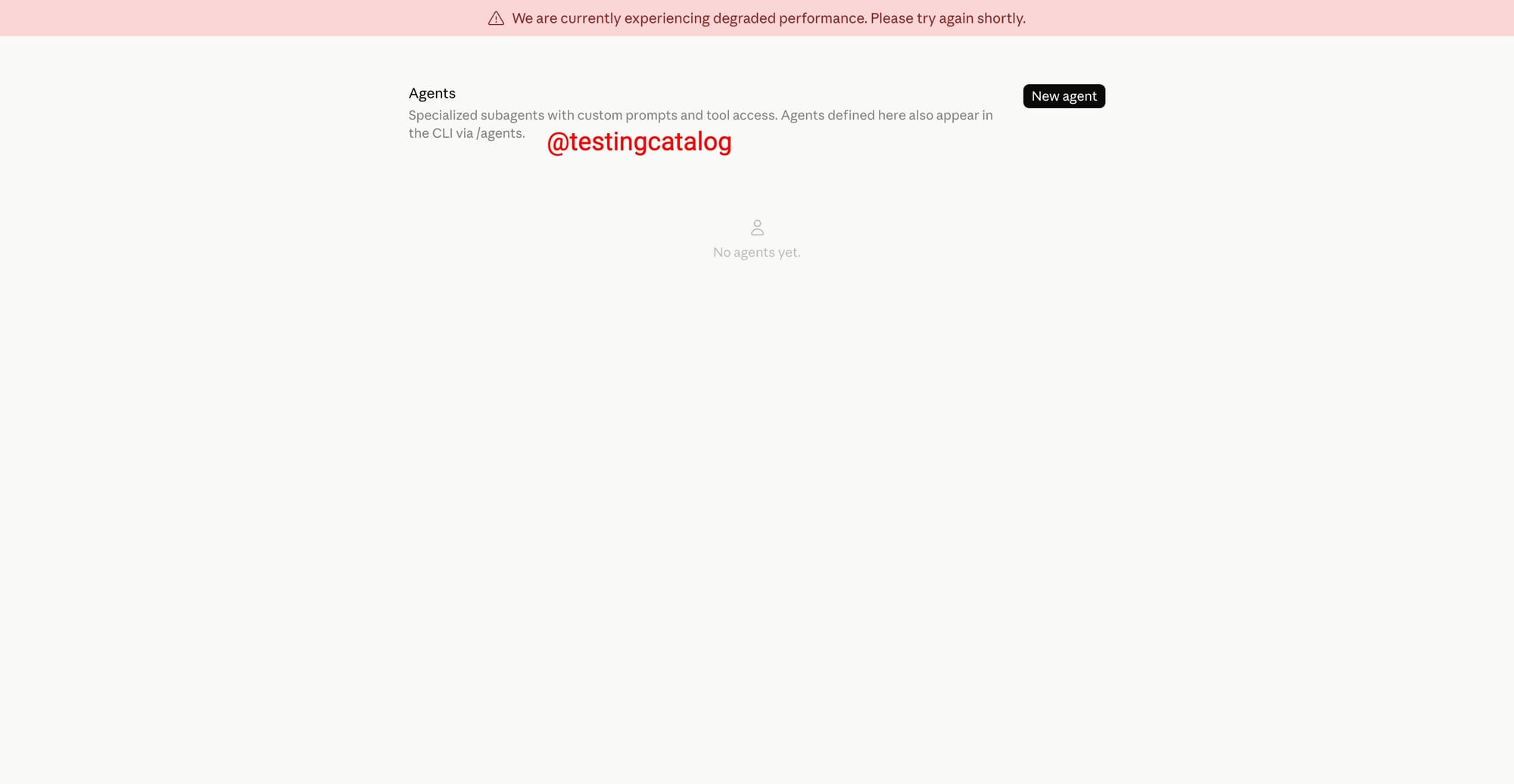
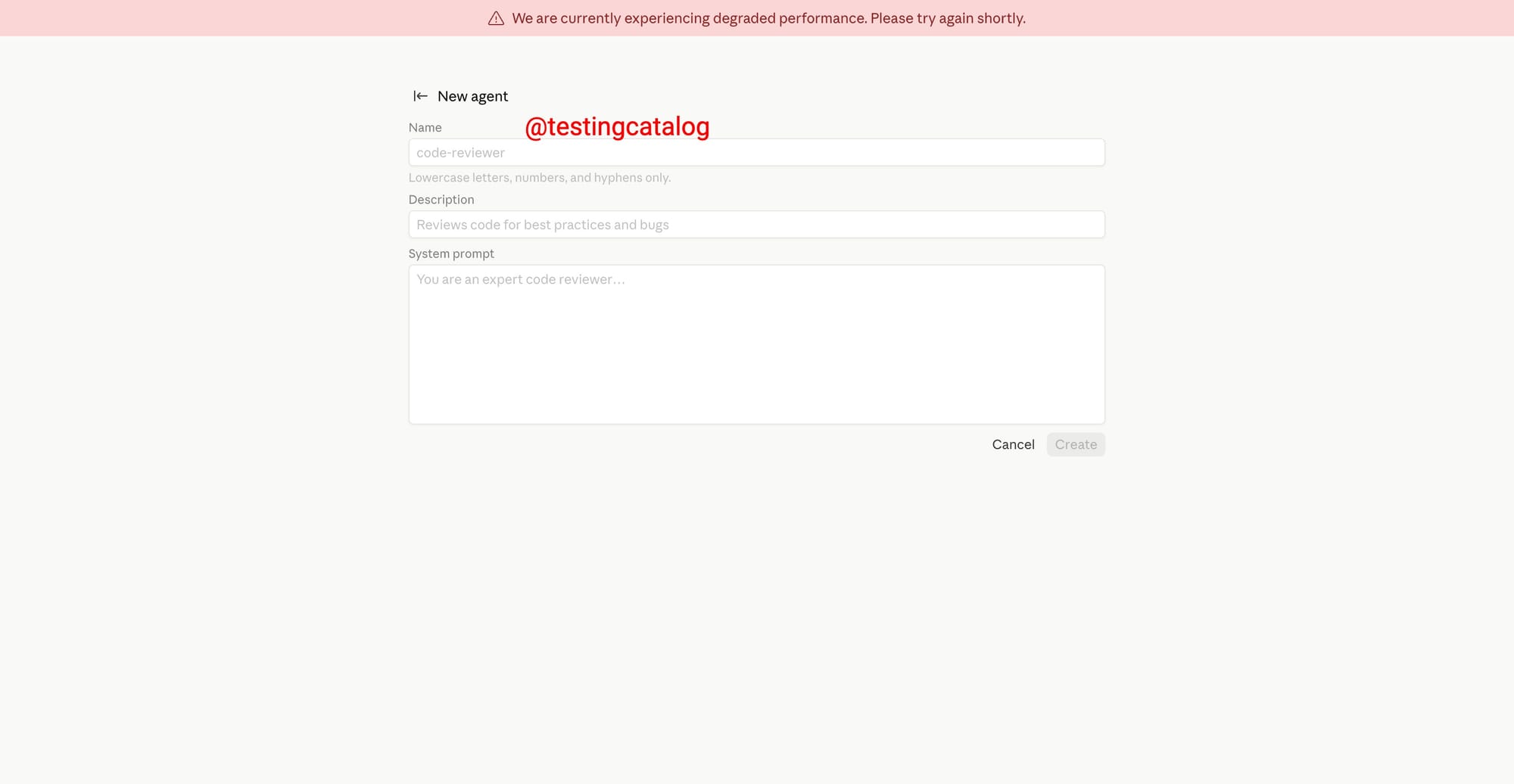
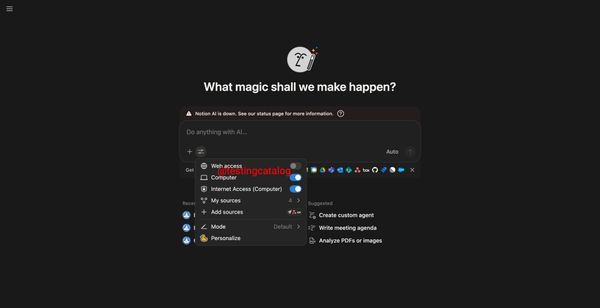
The ability to create custom agents directly from within the app adds another layer, potentially lowering the barrier for non-CLI users who want to define specialized workflows. The framing, “delegate work across parallel agents,” draws a natural comparison to OpenAI’s Codex, which prepares a "Magic TODO" task system where agents work through items in parallel chats. Coordinator Mode may represent Anthropic’s answer to this pattern, but implemented locally rather than in the cloud, fitting the company’s desktop-first approach to agentic coding.
same
— Andrew Ambrosino (@ajambrosino) April 12, 2026
Both companies appear poised to ship desktop updates as early as next week, intensifying a race where the unit of competition has shifted from model benchmarks to developer workflow integration.