

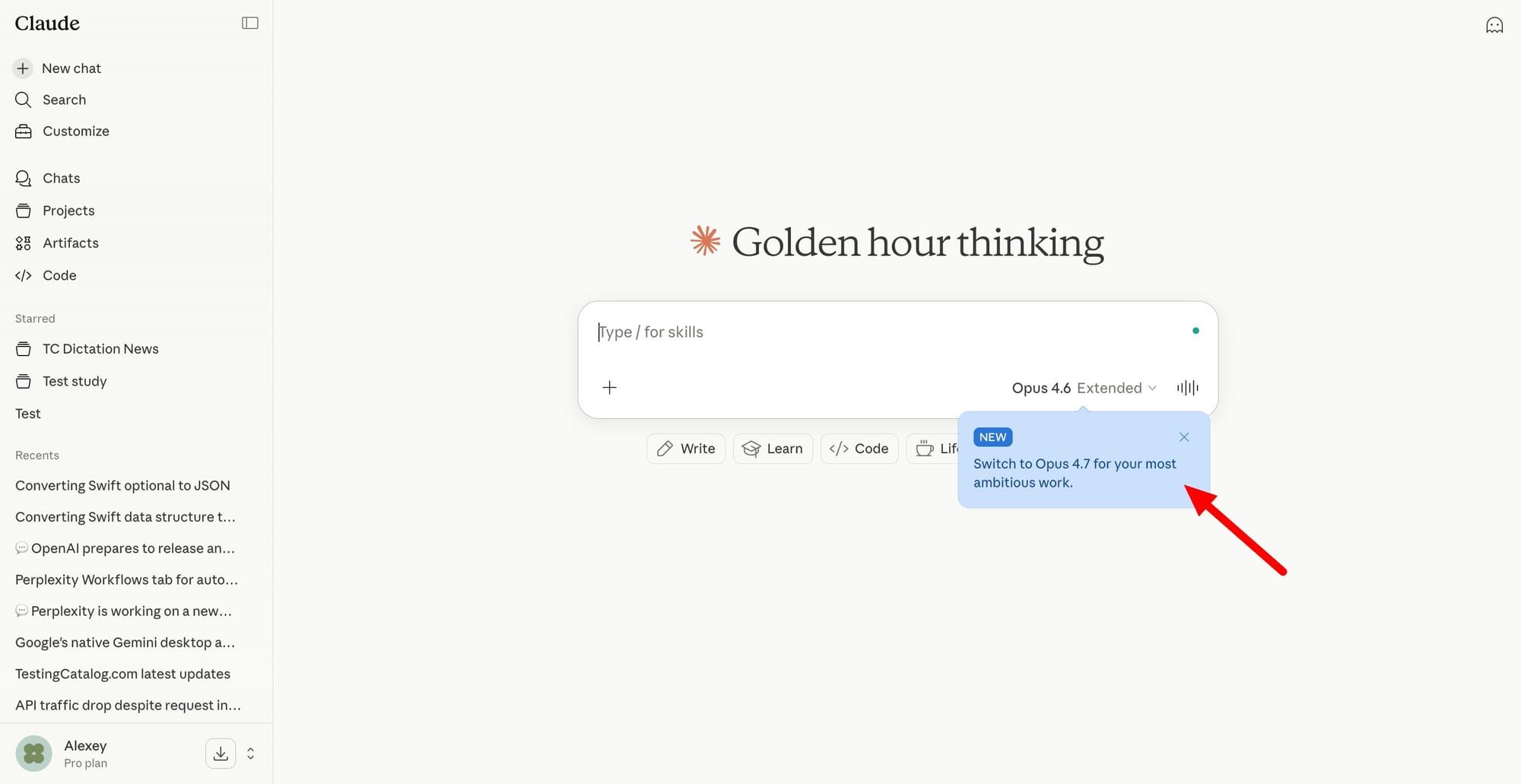
Anthropic has just released Claude Opus 4.7, its latest large language model, now broadly accessible to users across Claude products, its API, and major cloud platforms such as Amazon Bedrock, Google Cloud’s Vertex AI, and Microsoft Foundry. Users worldwide can adopt the model immediately, with pricing unchanged from Opus 4.6.
Introducing Claude Opus 4.7, our most capable Opus model yet.
— Claude (@claudeai) April 16, 2026
It handles long-running tasks with more rigor, follows instructions more precisely, and verifies its own outputs before reporting back.
You can hand off your hardest work with less supervision. pic.twitter.com/PtlRdpQcG5
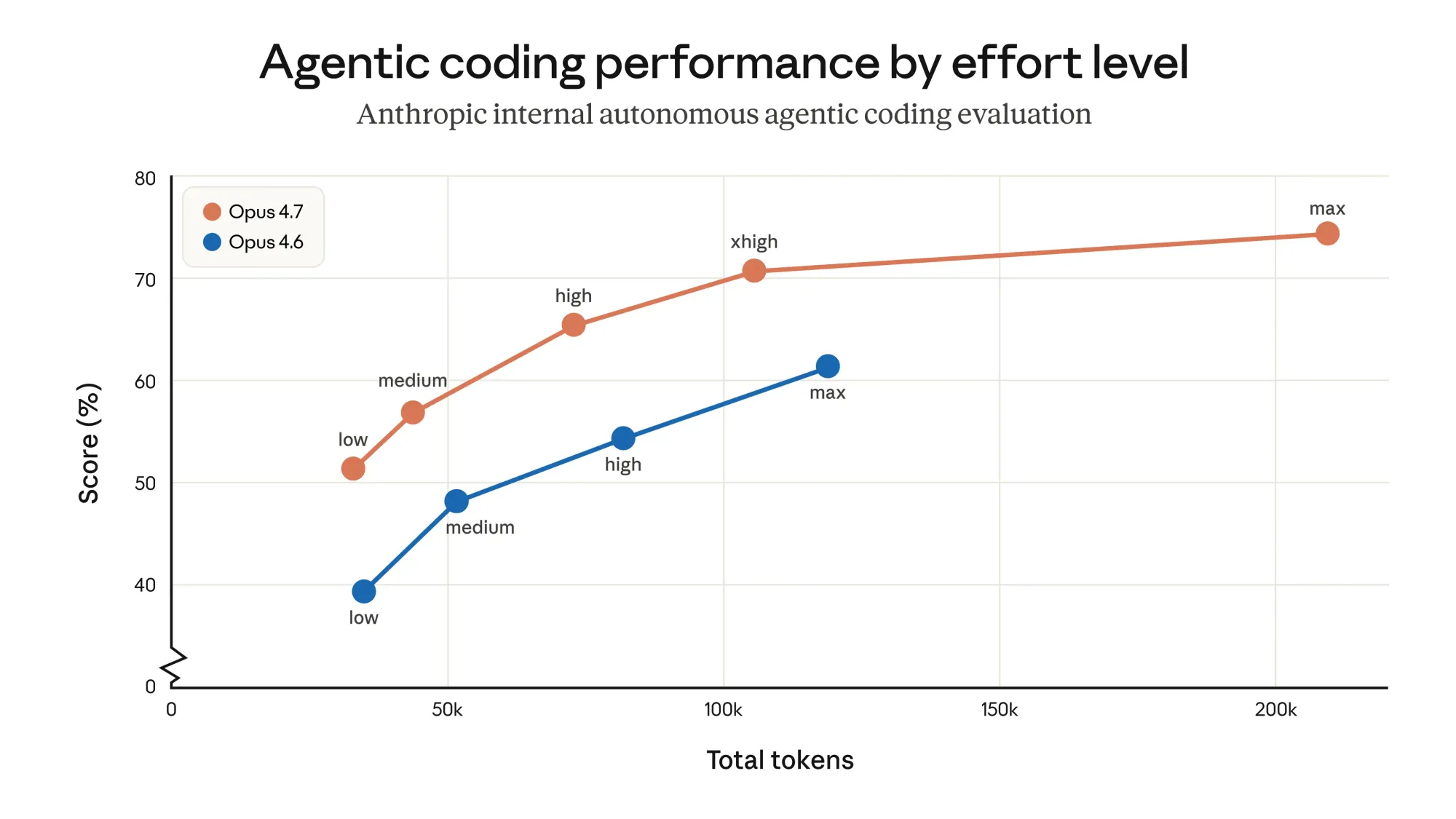
Claude Opus 4.7 brings notable upgrades over its predecessor, including a major leap in advanced code generation, multi-step workflow management, and high-resolution image understanding. The model now accepts images up to 2,576 pixels on the long edge, supporting detailed multimodal tasks like interpreting technical diagrams and extracting information from dense visuals. Opus 4.7 demonstrates improved instruction-following, more precise error handling, and the ability to autonomously execute and validate intricate projects. Early-access testers and industry teams report higher accuracy, consistency, and reasoning depth, outperforming Opus 4.6 in benchmarks for logic, agentic workflows, and document analysis. Compared to competitors, Opus 4.7 is praised for reliability, thoroughness, and its ability to tackle tasks that previously required human oversight.
Anthropic, known for prioritizing AI safety and alignment, has implemented new safeguards in Opus 4.7 to prevent misuse, especially in cybersecurity contexts. The company is inviting security professionals to join a Cyber Verification Program, reflecting its cautious approach to deploying powerful AI. This release represents a strategic step for Anthropic in refining both capability and responsible deployment, positioning Claude Opus 4.7 as a key tool for organizations demanding rigorous, trustworthy AI solutions.


