
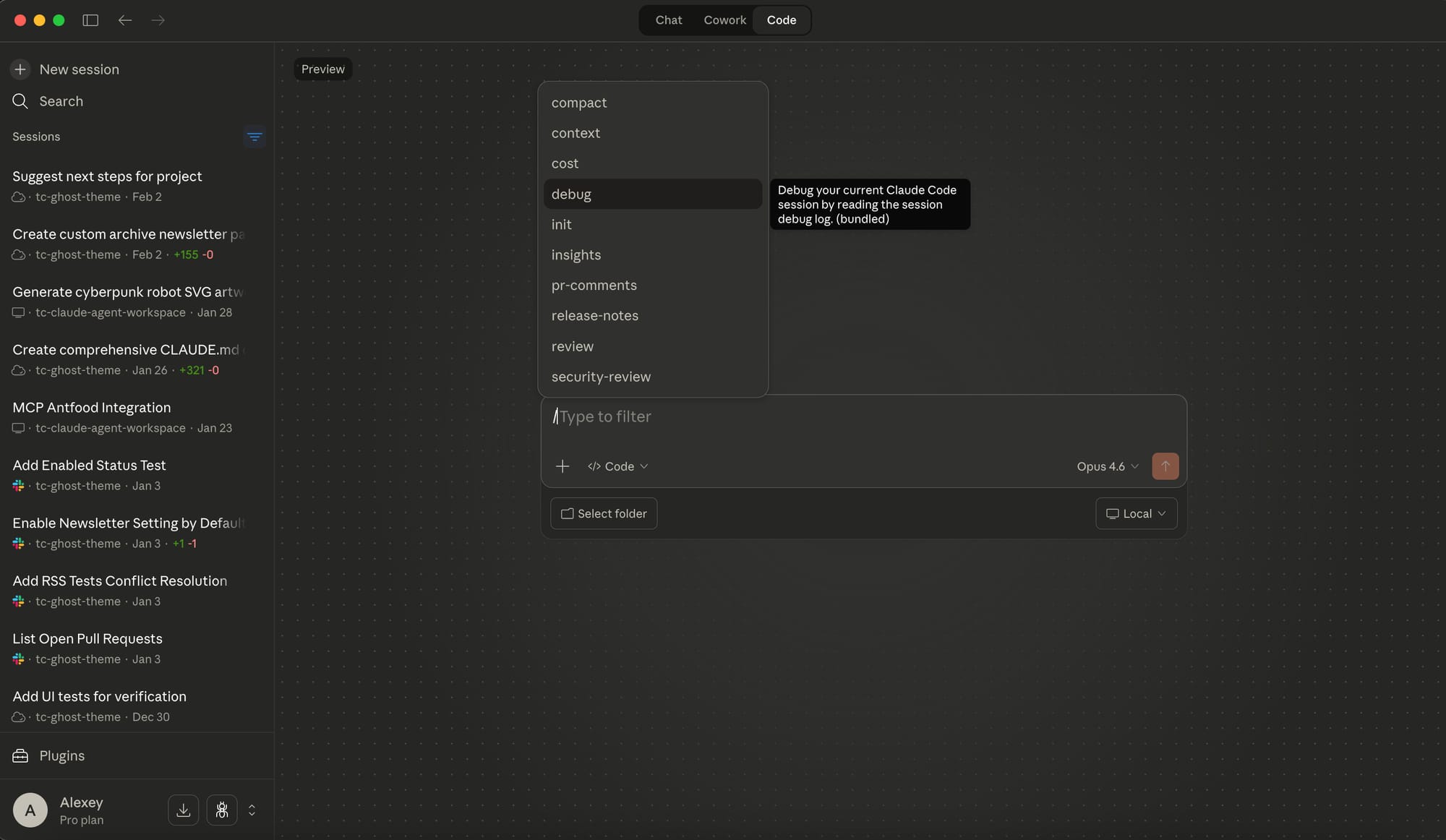
Anthropic has been shipping a steady stream of updates across its Claude ecosystem, with several changes already live and a handful still in development. In Claude Code, slash commands — reusable prompt snippets that can be invoked from any session — are now available with predefined options like debug, release notes, and PR comments. These are particularly useful for developers who repeat similar tasks across projects. Anthropic, which has been rapidly expanding Claude’s agentic capabilities since the launch of Cowork in January 2026 and the plugin system shortly after, appears to be bringing slash commands into Cowork as well.
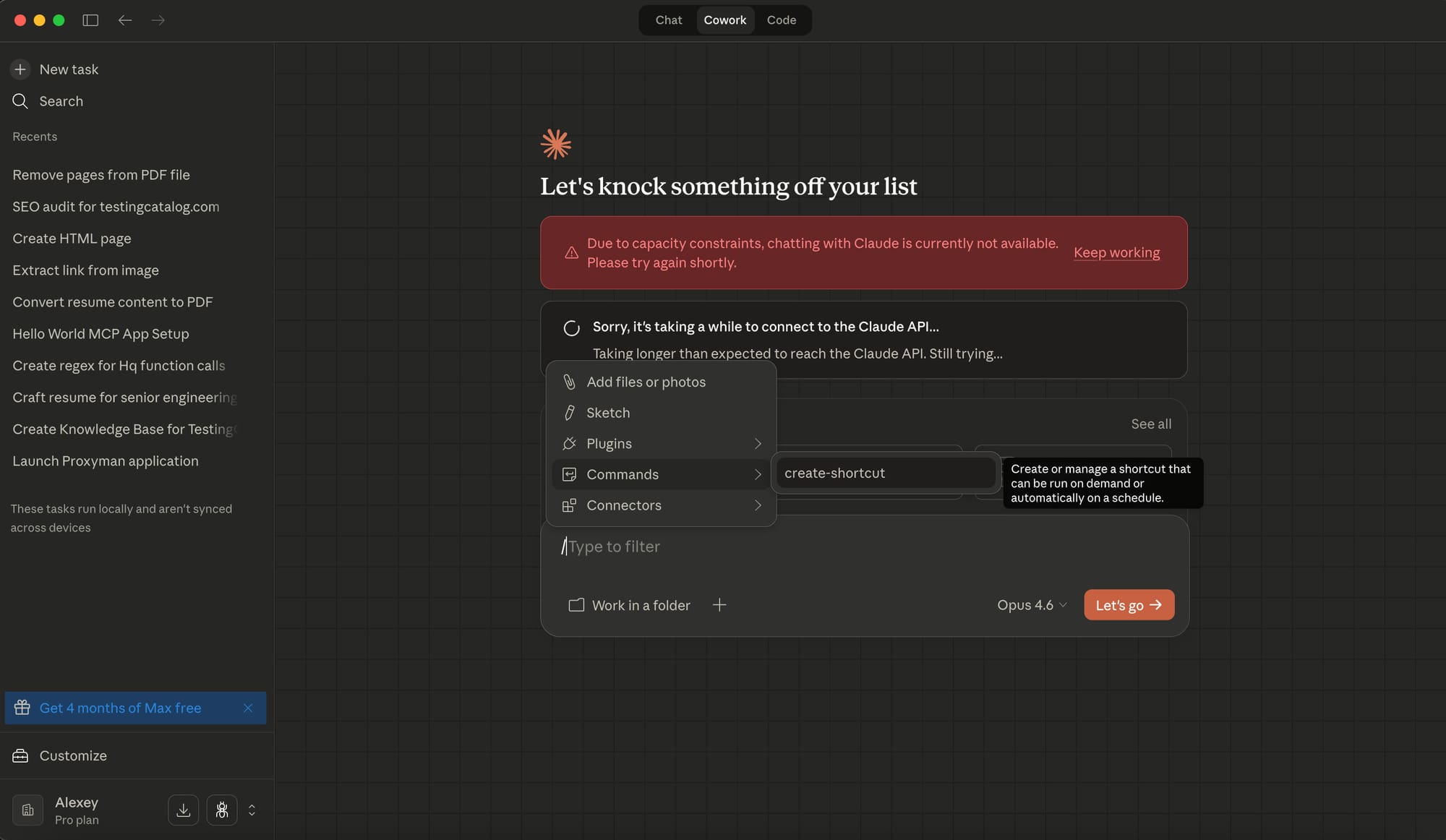
They would appear as a dedicated tab within bundles, sitting alongside MCP connectors and skills. The company may also make it possible to create such commands directly from the command line or save any prompt as a reusable slash command, which would benefit power users who want to standardize workflows.
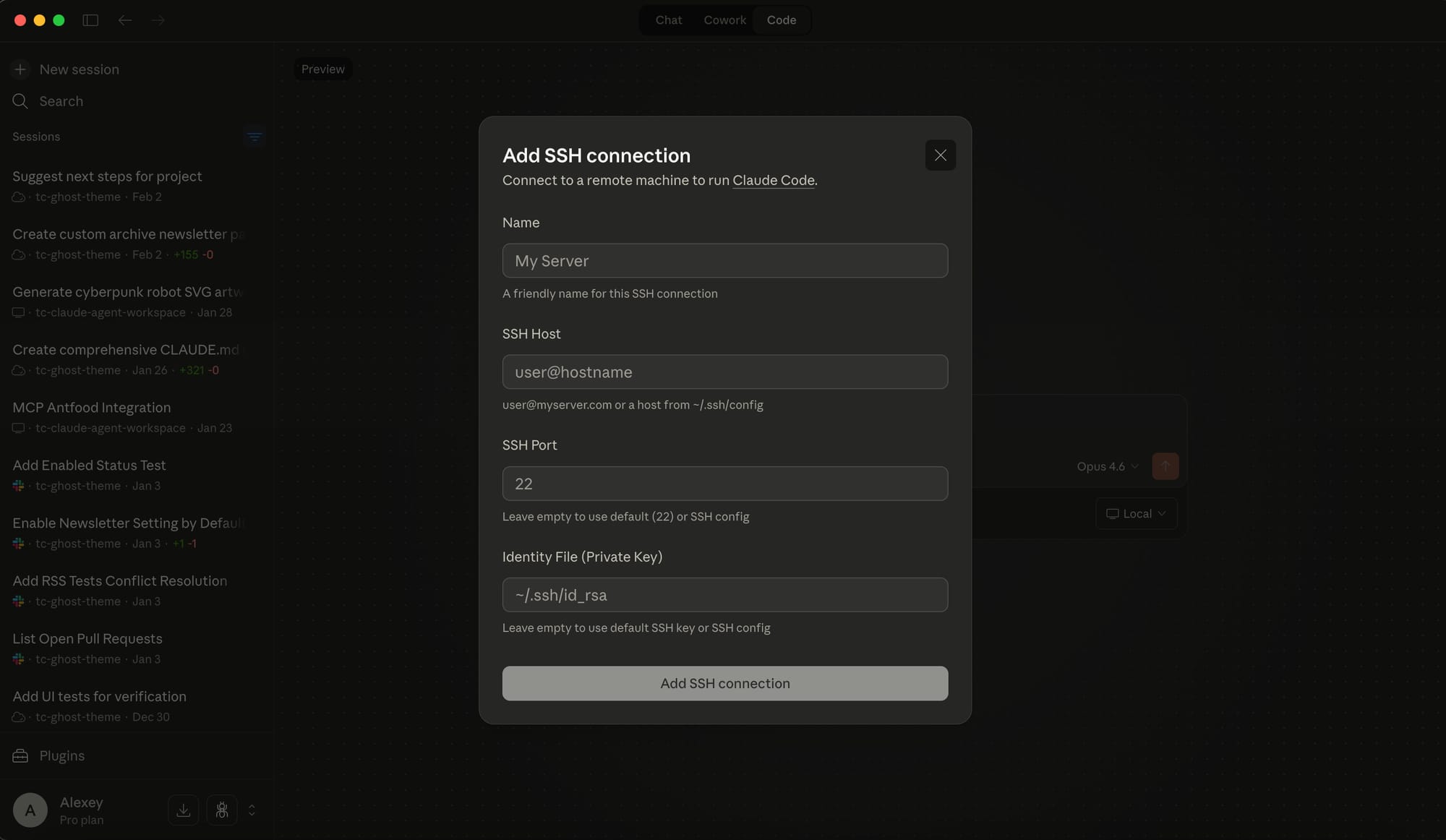
On the Claude Code side, two additional features have surfaced: SSH tunnel support for connecting to remote environments, which addresses a common pain point for developers working across machines, and a new tool access configuration within connectors where users can set tools to on-demand, always-available, or automatic mode. Both would give developers finer control over how Claude Code operates in different environments.
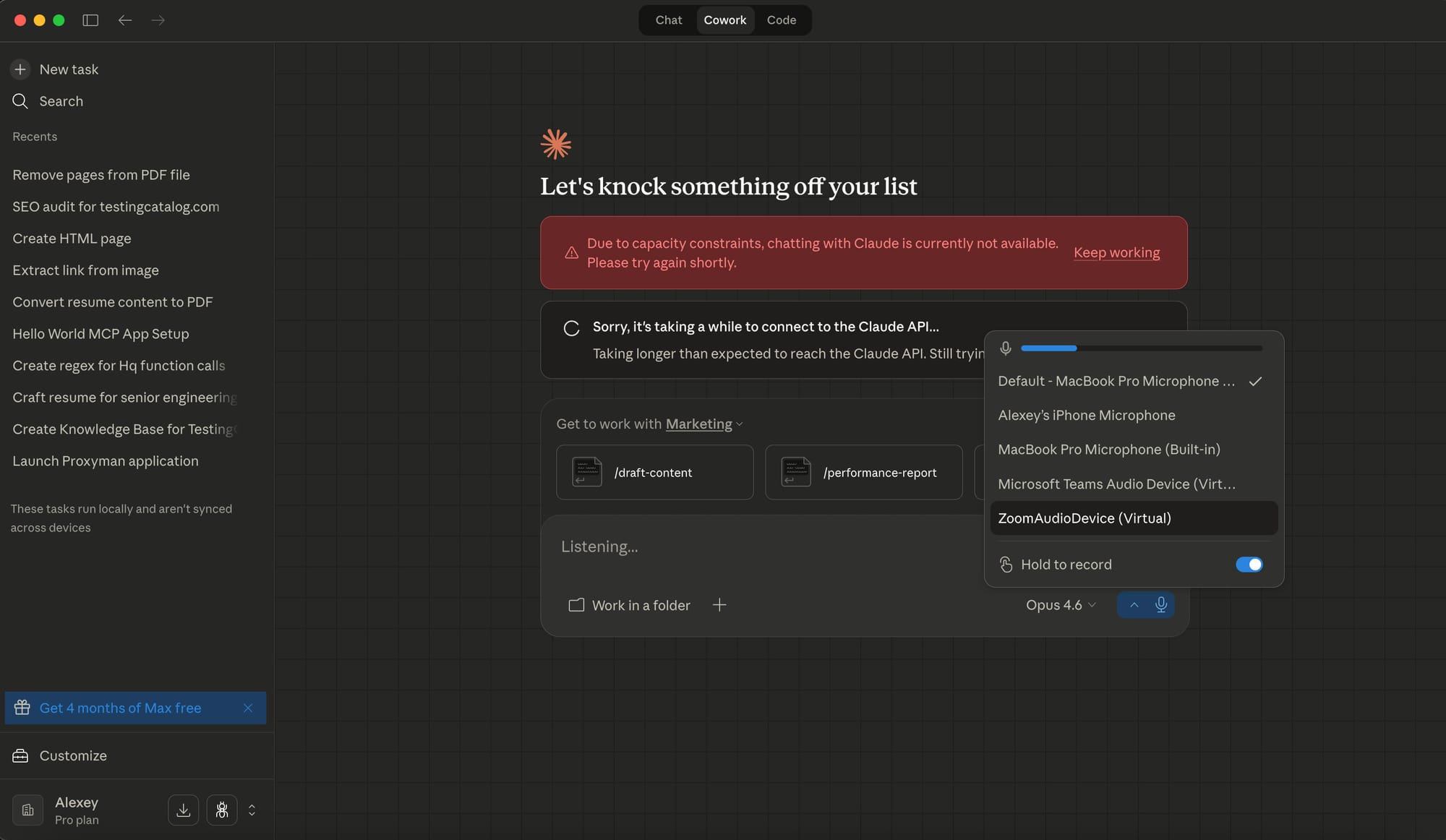
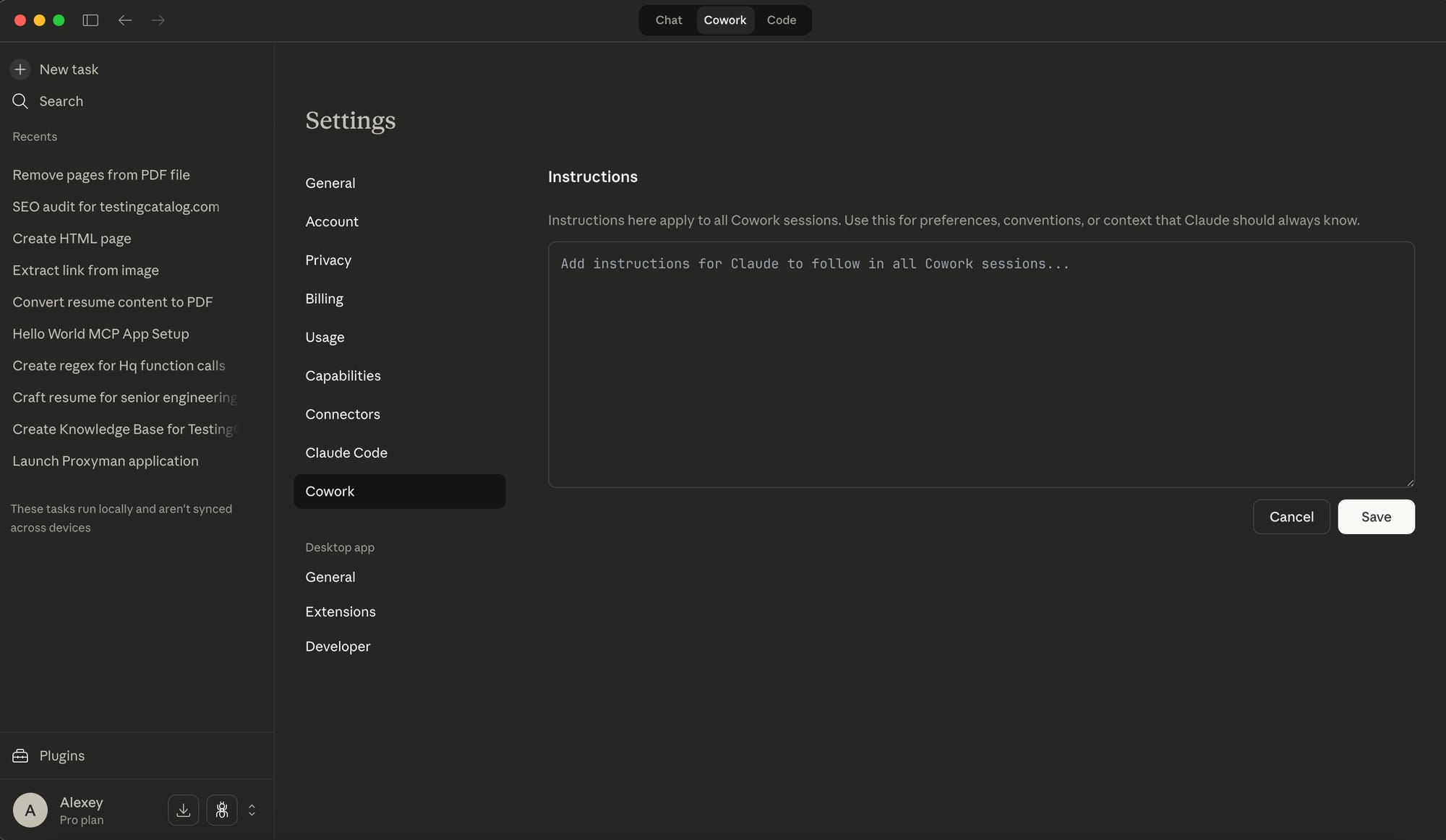
Two features that remain clearly in development are a hold-to-record voice mode for Cowork with built-in input device selection, which would simplify voice-driven workflows on the desktop app, and custom instructions for Cowork that would apply globally across all tasks. The latter would be a welcome addition for teams wanting consistent behavior without repeating context each session, though it remains unclear whether Anthropic will ship it broadly.
Separately, there are strong indications pointing to an imminent release of a new Sonnet model. Code references hinting at the next version have appeared, and historically such additions surface roughly five days before a public launch. As TestingCatalog previously reported, early testing of a Sonnet 5 build showed competitive math performance with frontier models and stronger coding output than Opus 4.5 in certain workflows. Whether the release lands as Sonnet 5 or Sonnet 4.6 remains to be seen.


