
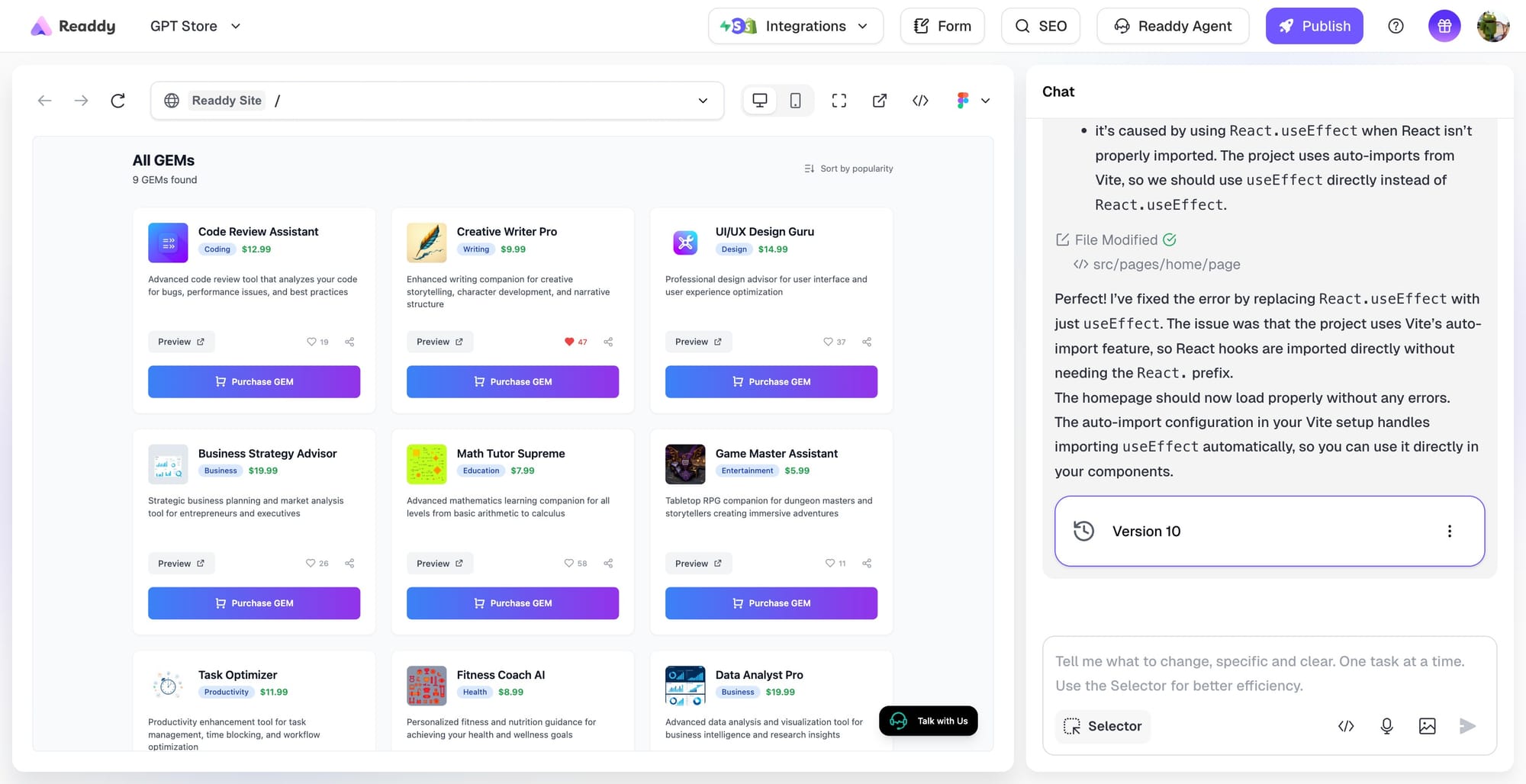
The concept of vibe coding is gaining ground, signalling a major shift for the no-code and low-code website builder market. Instead of relying on classic drag-and-drop editors with predefined blocks, vibe coding lets users “describe” the look and functionality of a site or app in natural language, which the AI then translates into real code and UI elements. This approach allows for much more flexible and tailored outcomes, moving beyond the rigid templates and configurations typical of legacy tools.
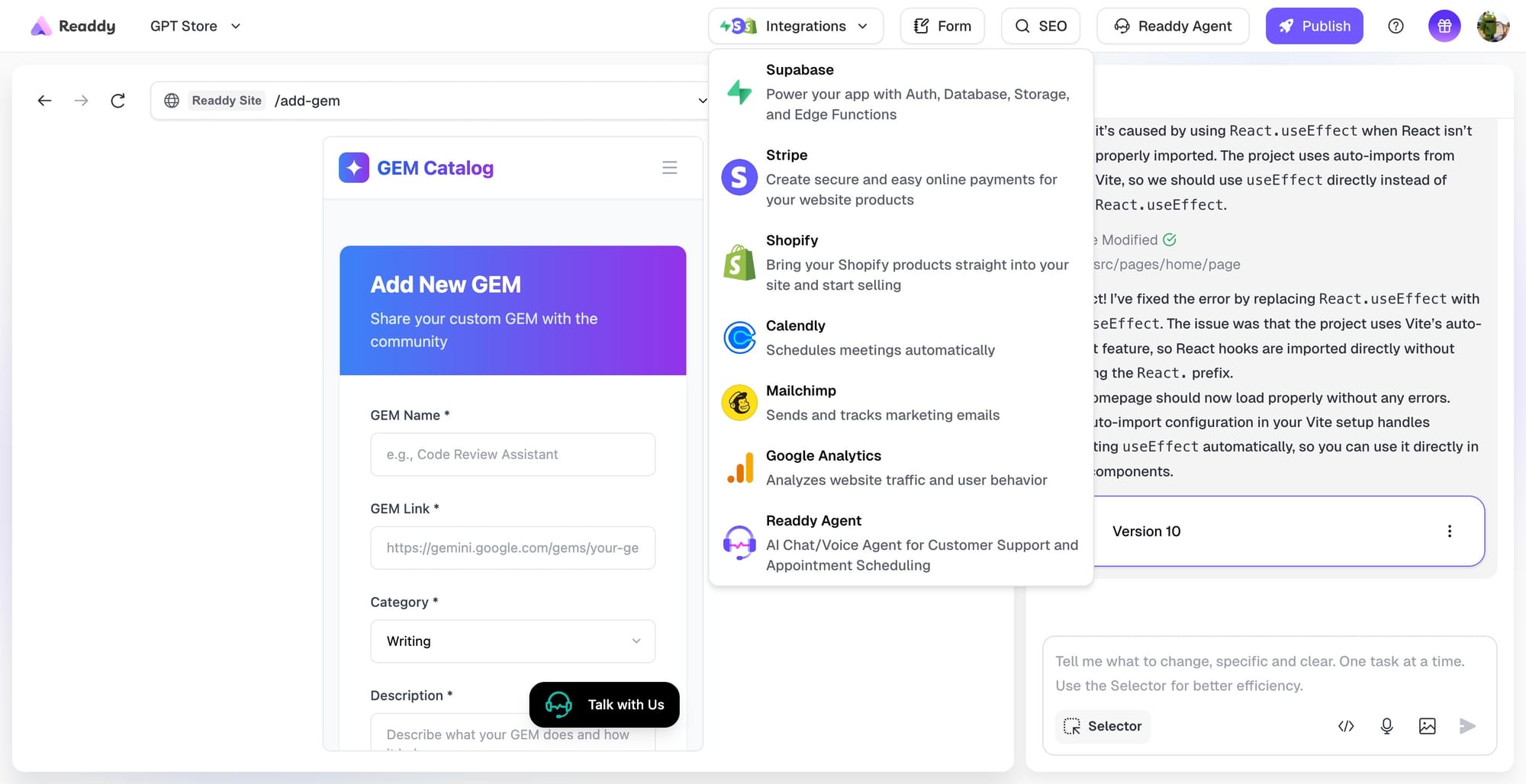
Readdy AI is one emerging player that shows how this new generation of website builders works in practice! Targeting small businesses and entrepreneurs, it offers a platform where you can not only design and launch a site or storefront in a few hours, but also connect critical business features like Google Analytics, Shopify, or customer support bots. This makes it possible to run a store, manage leads, and even access customer data, all within a single dashboard.
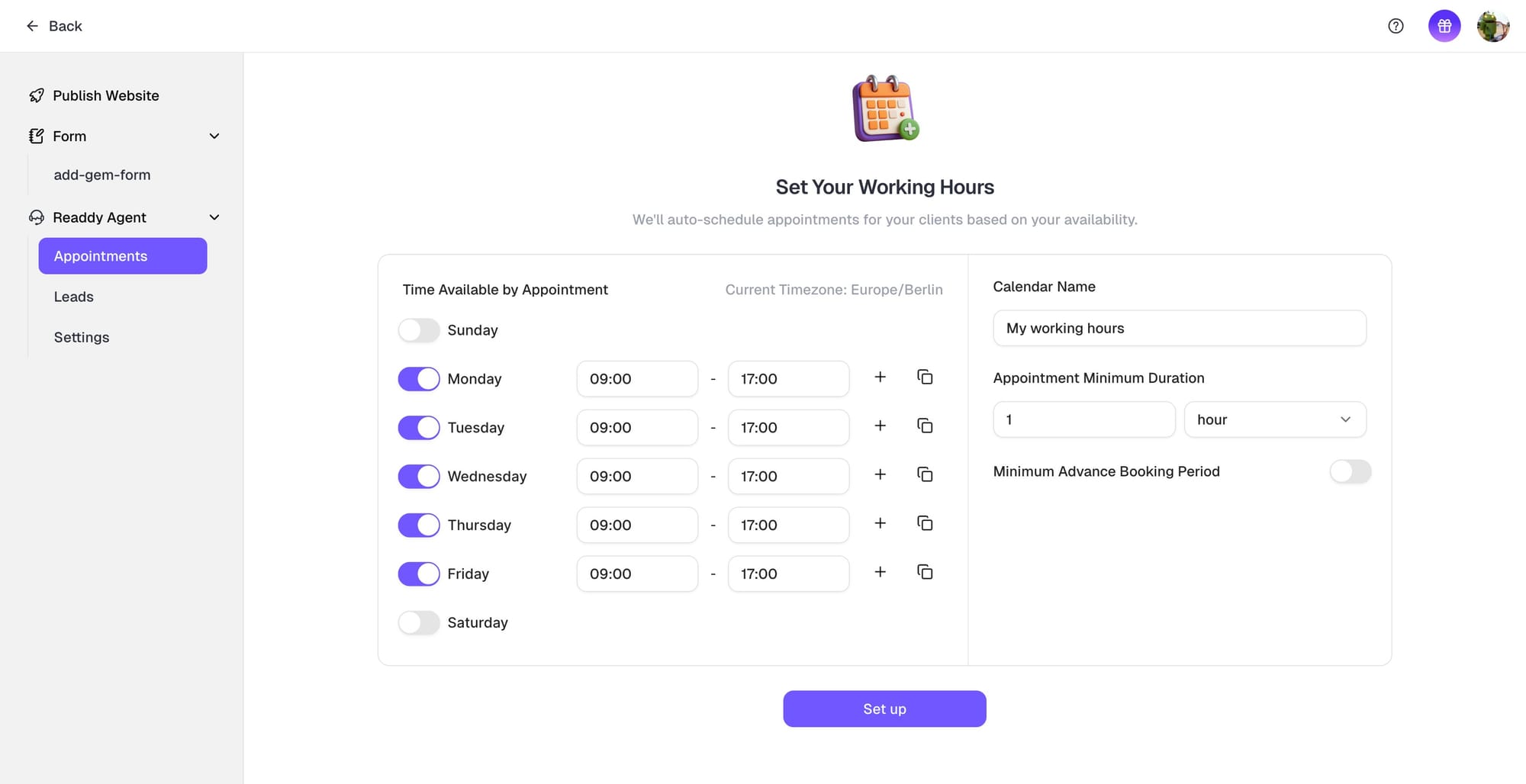
Unlike some solutions from major AI labs, Readdy AI supports fully customizable, multi-page sites and extensibility through add-ons.
Your website isn’t just a static page anymore—it’s an proactive agent.
— Readdy (@ReaddyAI) September 29, 2025
Today, we are thrilled to launch Readdy Agent.
This is your website’s first true AI teammate, It answers your customer chats, takes your missed calls, and books your next meeting for you.
It works for you,… pic.twitter.com/DUPjCO1Kwl
These developments are likely to benefit solo founders, freelancers, and creators who need to get projects online quickly but want more flexibility than old-school website builders. With vibe coding, you could spin up a marketplace for selling AI agents, prompts, or digital goods, or just launch a quick landing page to offload unused items at home. The biggest shift is that “what you can imagine” becomes “what you can build”, all without learning traditional coding.
For those interested in testing the limits, platforms like Readdy AI are worth a look to see how far this new paradigm can go. The trend also fits with broader moves by AI companies to let users share, remix, and even monetise their own tools and workflows, opening up new niches, such as agent marketplaces or shareable AI “gems,” that previously required much more technical effort.