
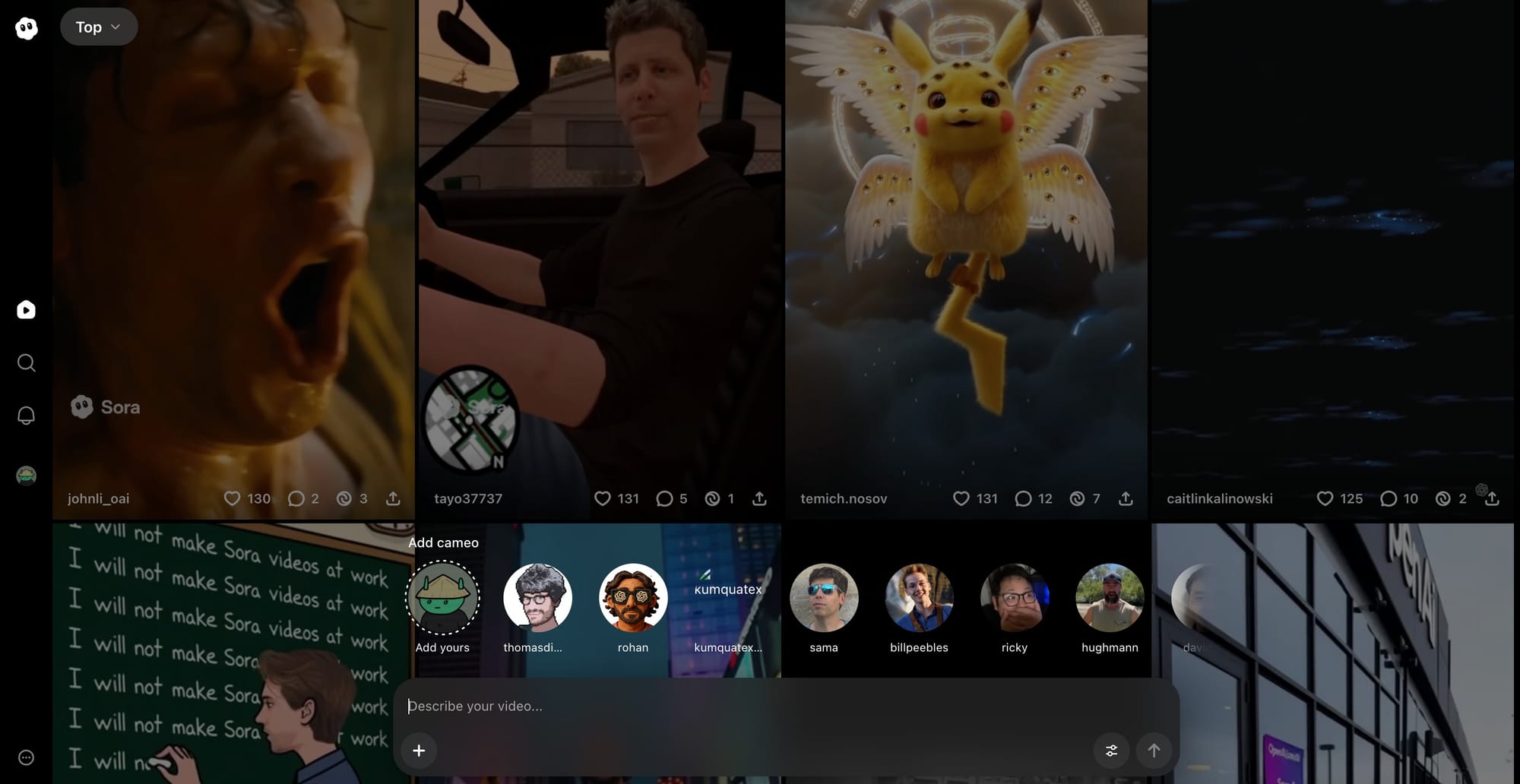
OpenAI has announced the release of Sora 2 and a new invite-based Sora iOS app, which is currently rolling out in the U.S. and Canada. Access to these starts free with certain usage limits. Additionally, ChatGPT Pro users will have access to an experimental Sora 2 Pro on the web, with plans for API access in the future. Sora 1 Turbo will remain available, and prior creations will continue to be accessible in libraries.
BREAKING 🚨: OpenAI is launching Sora 2, Sora 2 Pro and Sora app in US and Canada!
— TestingCatalog News 🗞 (@testingcatalog) September 30, 2025
Expansion to other countries is expected to follow.
Soon 👀 pic.twitter.com/k5pXBbvNOh
Sora 2 is a text-to-video and audio model that offers tighter physics and higher control across multi-shot prompts. It is capable of generating synchronized dialogue, effects, and ambient sound.
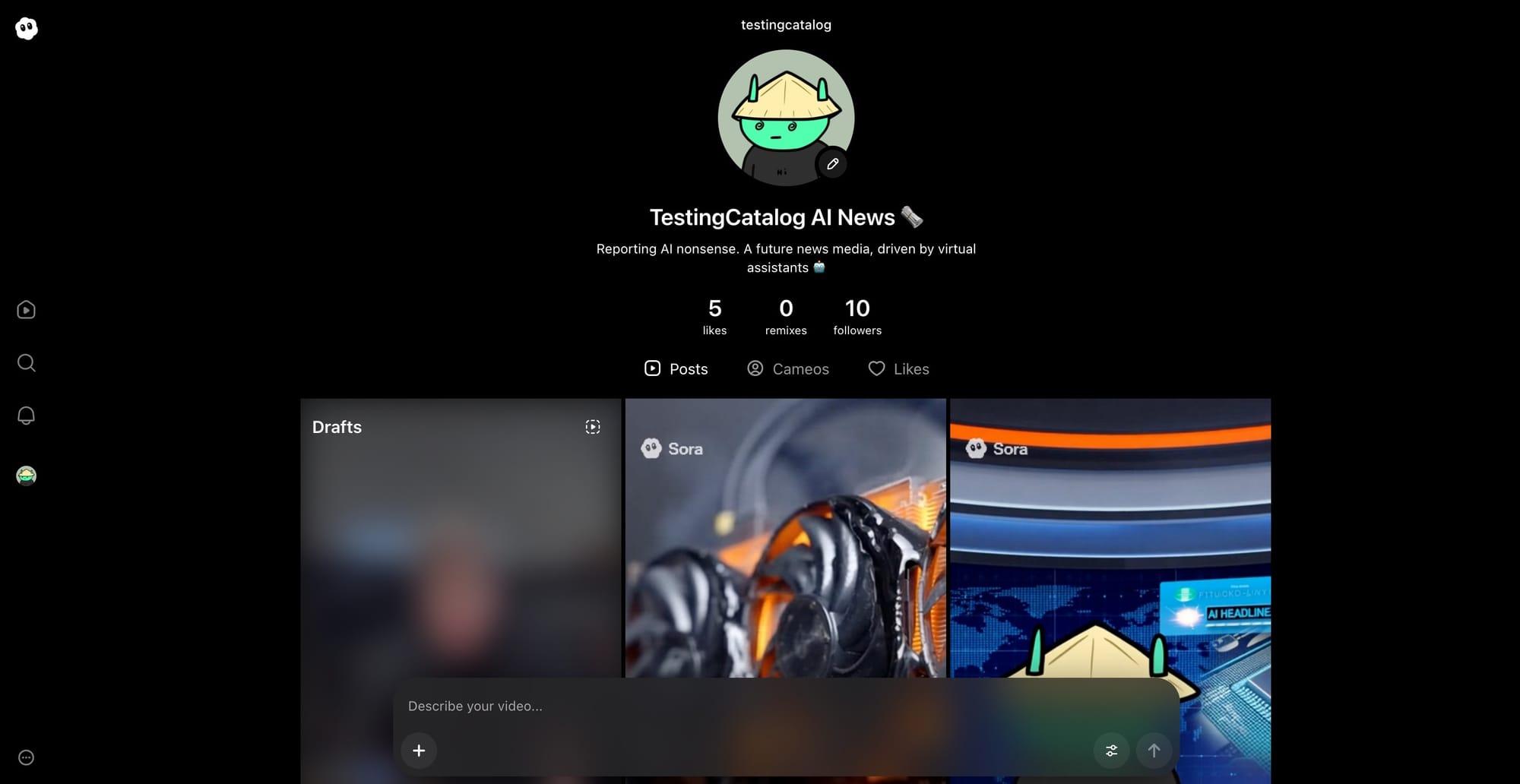
Users can insert a captured likeness via a short in-app video and voice check. The app supports remixes, a creator-biased feed adjustable with natural-language settings, teen viewing limits, human moderation, and parental controls managed through ChatGPT. Early internal testers have highlighted “cameos” as a key feature.
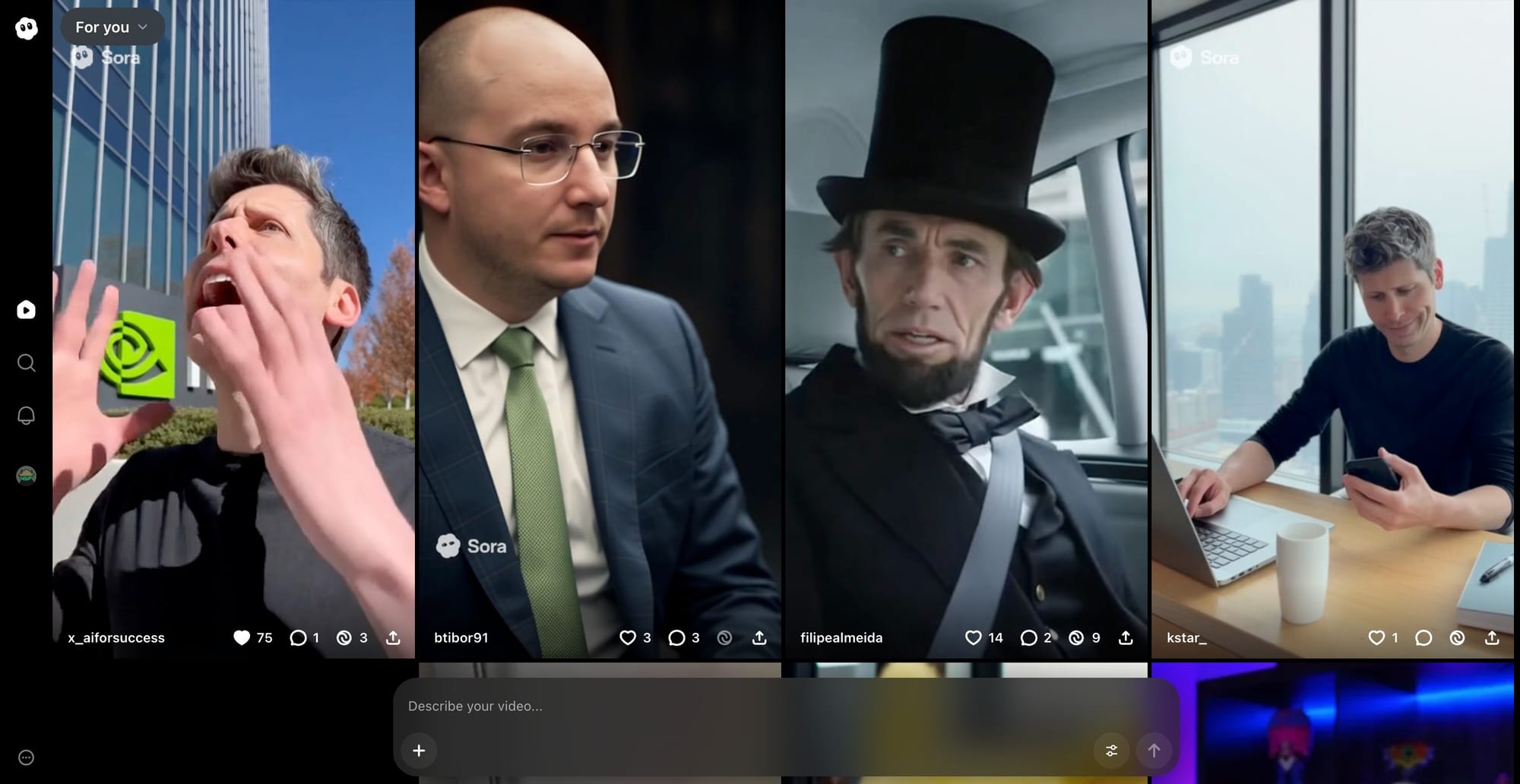
Compared to Sora 1, the new model includes native audio, stronger world-state persistence, and more faithful cause-and-effect modeling. If a shot fails, Sora 2 models the failure rather than warping objects to satisfy the prompt. The styles available range from cinematic to anime.
Why it matters: OpenAI is transitioning from a model demo to a social creation app governed by safety guardrails and consent controls for likeness use. Monetization at launch is limited to optional paid generations if compute resources are constrained. The company describes Sora 2 as a step toward general-purpose world simulators, with plans for rapid geographic expansion and developer access.
Need a Sora 2 invite? 👀
Sora 2 invites 👀
— TestingCatalog News 🗞 (@testingcatalog) September 30, 2025
Started invites chain on our TG group. One by one, everyone gets inside. https://t.co/B6DFD2FVW5 pic.twitter.com/80YeJ2XX6f
OpenAI positions this release under its Research, Release, and Product tracks, linking model progress to consumer distribution while maintaining policy levers such as parental controls and a creator-first feed philosophy.


