
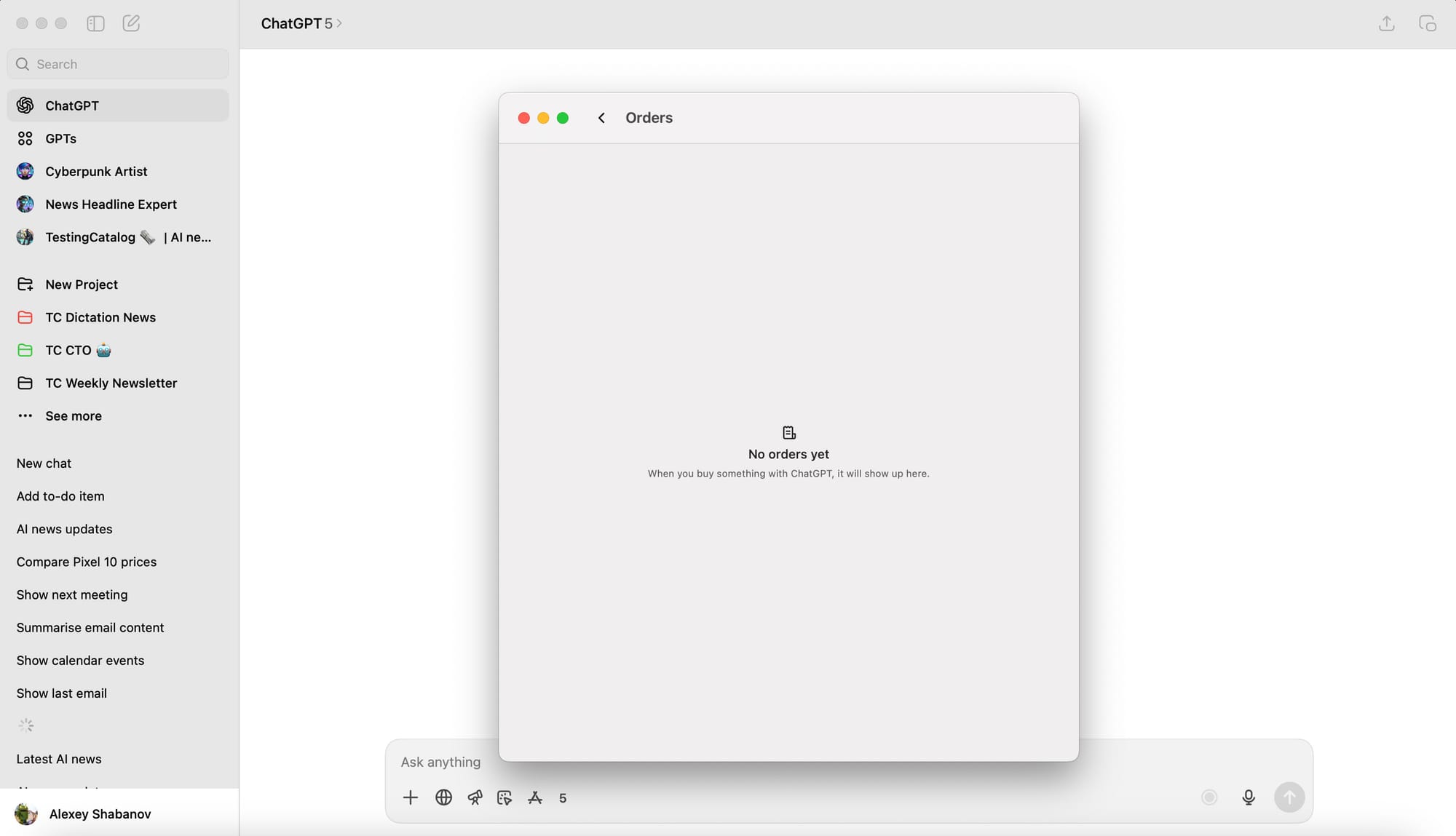
OpenAI’s recent updates to the ChatGPT desktop app signal a shift in how users will interact with voice features and purchase options. In the latest build, the Voice Mode has been updated so that it now launches within the main app window rather than opening a separate window, marking the first noticeable tweak to this function in quite some time. Despite speculation, the anticipated screen-sharing functionality for Voice Mode appears to be sidelined, as there haven’t been further signs of development since its original demonstration nearly two years ago.
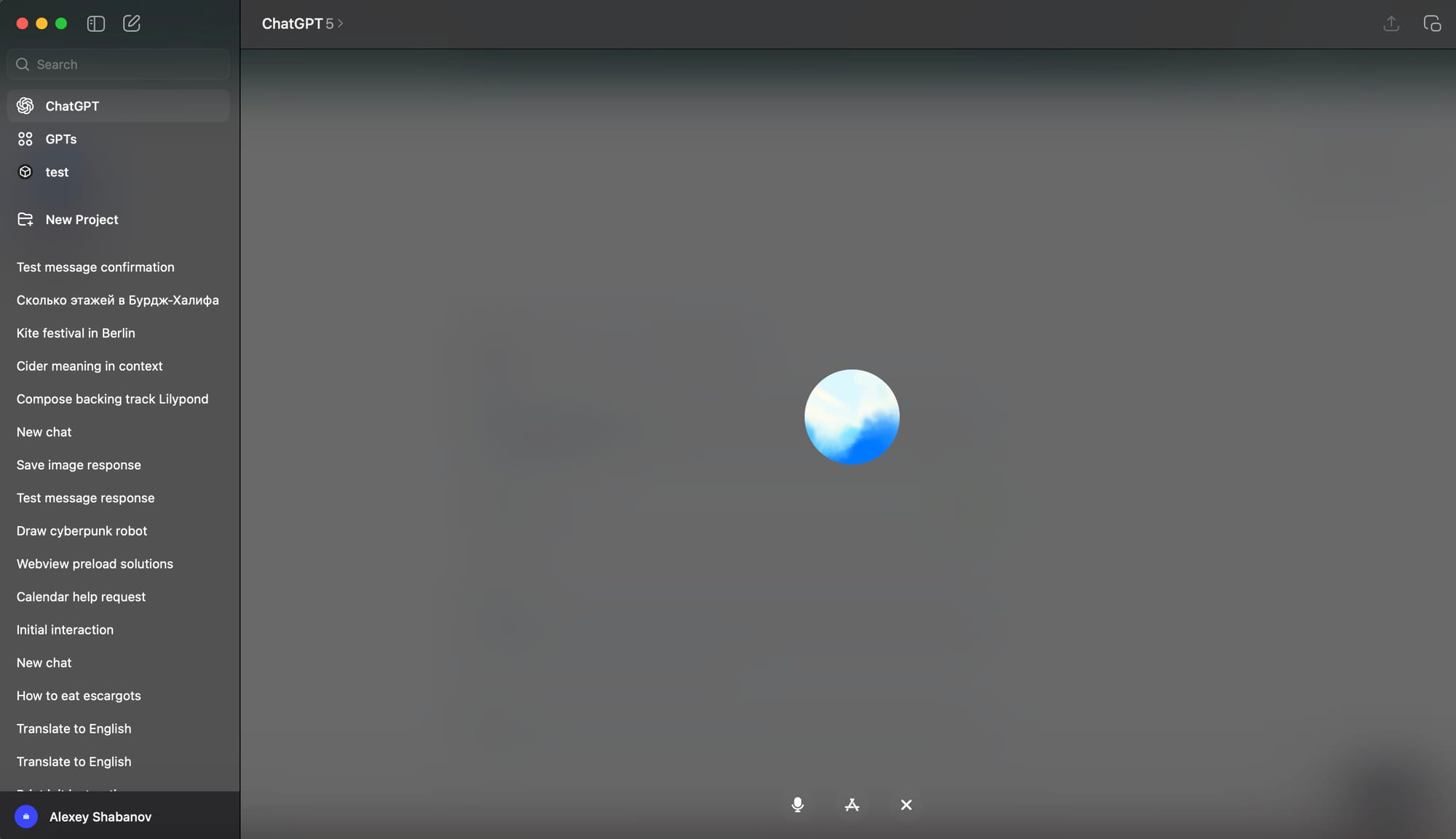
At the same time, OpenAI is preparing to introduce a new “Orders” section in ChatGPT settings, hinting at native checkout capabilities. According to previous rumors, this upcoming feature would let users add credit cards directly to ChatGPT for streamlined purchases, with order tracking handled inside the app itself. Given the context, it is probable that this function will initially launch in the US, as preparations for localized support are already underway. These developments would likely benefit frequent ChatGPT users who purchase plugins, digital goods, or services through the platform, potentially reducing friction in the transaction process.
In addition, work is ongoing to bring parental controls to the ChatGPT web interface. The exact release timeline for this feature remains uncertain, but it may address growing concerns around safe usage by younger audiences or in educational settings. These changes were identified through ongoing monitoring of app builds and settings changes, a common method for surfacing new functionality ahead of official announcements.
The first signs of preparations for Parental Controls ("Amphora Controls" / "Vessel controls") are showing up in the ChatGPT web app settings (hidden for now) with an option to invite a member/owner and manage safe model policy, content restrictions, sleep mode (time limits), and… pic.twitter.com/tubMUysifB
— Tibor Blaho (@btibor91) September 12, 2025
OpenAI, the company behind ChatGPT, has increasingly positioned its product as a multifunctional assistant, supporting productivity, shopping, and communication use cases. The addition of checkout and parental controls aligns with broader industry trends to turn AI chat platforms into daily utilities with payment, safety, and management features built-in, rather than standalone text generation tools. For now, it remains to be seen when all these capabilities will be available for general use, but the groundwork is being laid in the current development builds.


