

OpenAI appears to be preparing a dedicated plan for scientific institutions, likely to be named something along the lines of "ChatGPT for Science". References to such an offering appear alongside the company's existing vertical packages for universities, financial firms, and government agencies, suggesting that research organizations may be the next group to receive a purpose-built subscription. There are also hints of a science-oriented model, though it remains unclear whether this would be a separately trained system or a tuned variant of the current frontier lineup.
OPENAI 🔥: A new ChatGPT plan for Science is being developed, according to the latest additions on the web build.
— 🚨 AI News | TestingCatalog (@testingcatalog) June 17, 2026
> OpenAI has been announcing various projects related to "Accelerating scientific progress" over the past year, including an open form for institutions to "Get… pic.twitter.com/o70FLu0nLL
The plan seems set to serve universities, national laboratories, and corporate R&D groups working across biology, chemistry, physics, and materials, with biology likely to be a focus area. For partners already collaborating with OpenAI, this move would formalize existing arrangements rather than starting from scratch, while providing a clearer path for new institutions to join. No timeline has been announced, and the absence of confirmed terms, eligibility, or pricing leaves the launch window open.
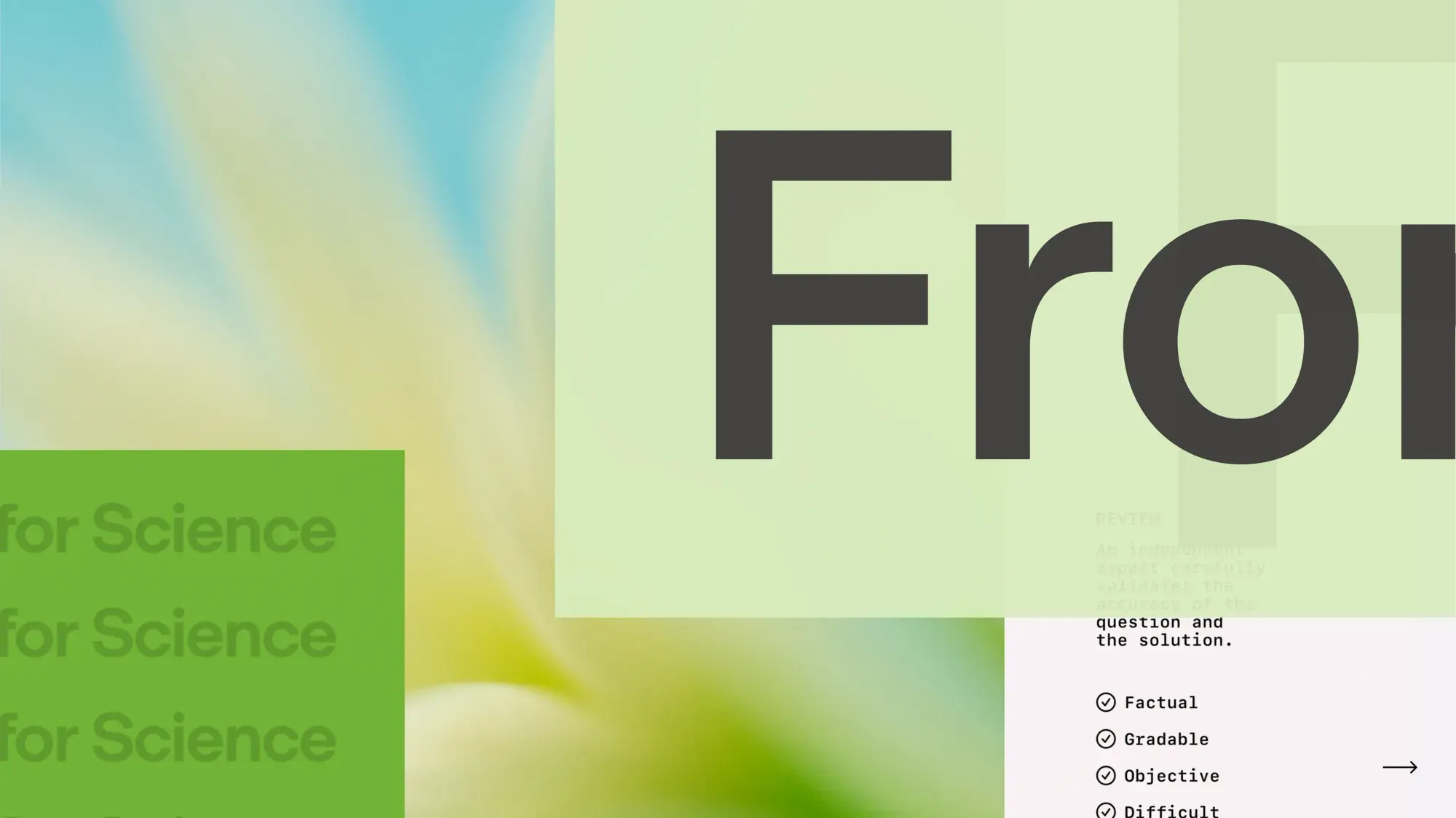
We’re releasing a new eval to measure expert-level scientific reasoning: FrontierScience.
— OpenAI (@OpenAI) December 16, 2025
This benchmark measures PhD-level scientific reasoning across physics, chemistry, and biology.
It contains hard, expert-written questions (both olympiad-style problems and longer…
This direction fits a familiar pattern. OpenAI has steadily divided its market into verticals, each offering tailored access and compliance footing, all built on the same underlying models. A science tier would extend this logic into research. It also builds on the OpenAI for Science team led by Kevin Weil, which envisions GPT-5 as a research collaborator and has reported close to 8.4 million weekly messages on advanced science and math. Earlier work on a specialized protein-engineering model with Retro Biosciences demonstrates a willingness to shape systems around single domains, lending credibility to the model traces. A packaged plan would also respond to competitors, such as Anthropic's Claude for Life Sciences, Google's Gemini-based co-scientist, and Microsoft's research unit, all targeting the same laboratories.


