
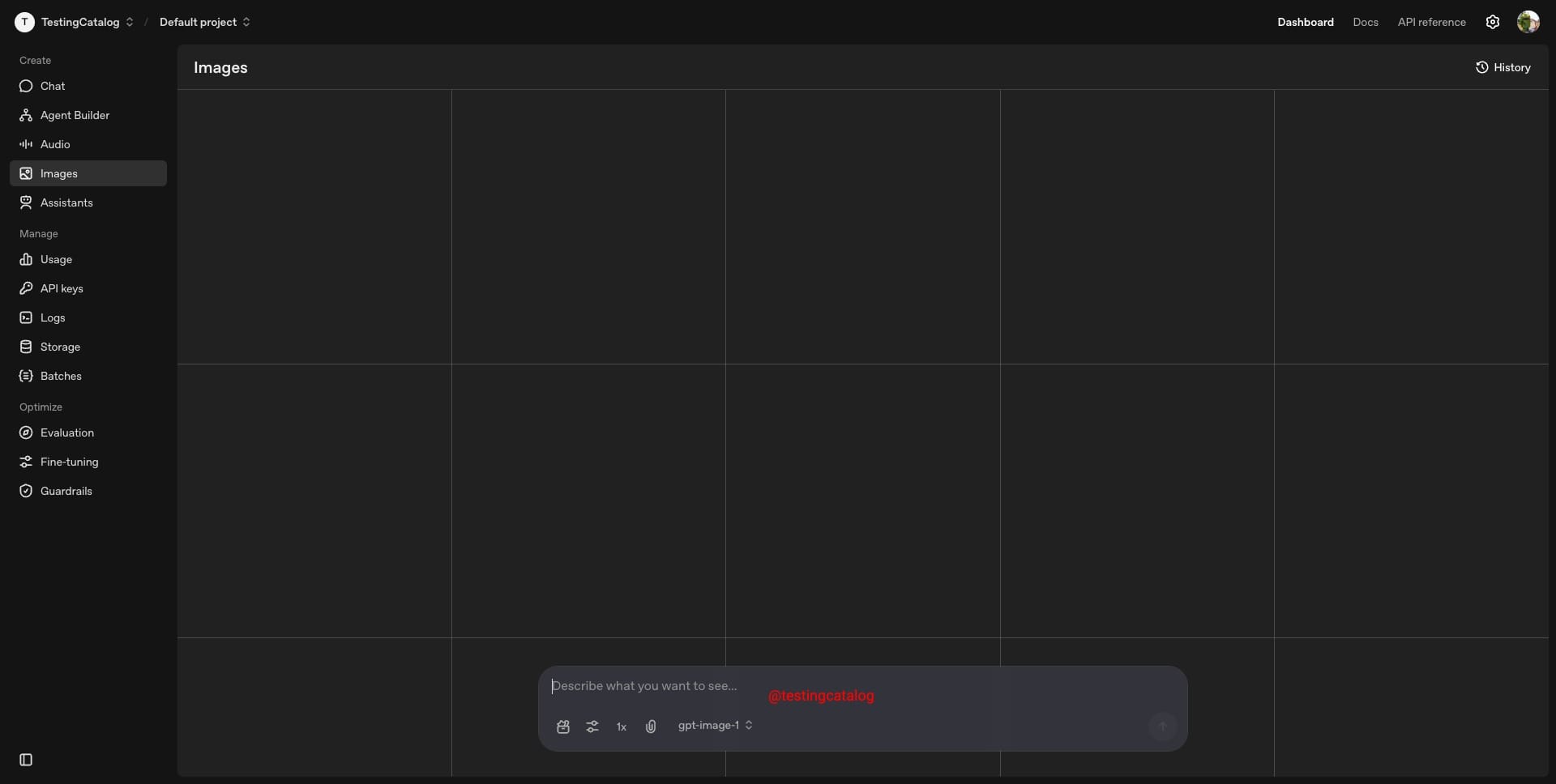
OpenAI appears to be quietly expanding its platform with several new features under internal testing, most notably around image generation and API safety. The most prominent potential update is the introduction of a model selector in the image section, allowing users to choose between different image generation models. This move suggests OpenAI is preparing for a broader lineup, possibly including a rumored “image-1-mini” model designed to offer lower-cost image generation with robust editing functions. Such a model would appeal to businesses and individual creators seeking affordable options and could be OpenAI’s direct response to Google’s Nano Banana, which emphasizes similar strengths. There is ongoing speculation that the new selector could eventually feature the same model powering Sora 2’s video capabilities, effectively unifying image and video generation pipelines for more versatile outputs.
The new model's appearance has not been confirmed in the codebase, but growing rumors point toward imminent model upgrades, as the current image model has been in place for some time. While nothing points to a clear “breakthrough” model surfacing on platforms like Image Arena, the possibility of an improved or budget-tier option remains credible.
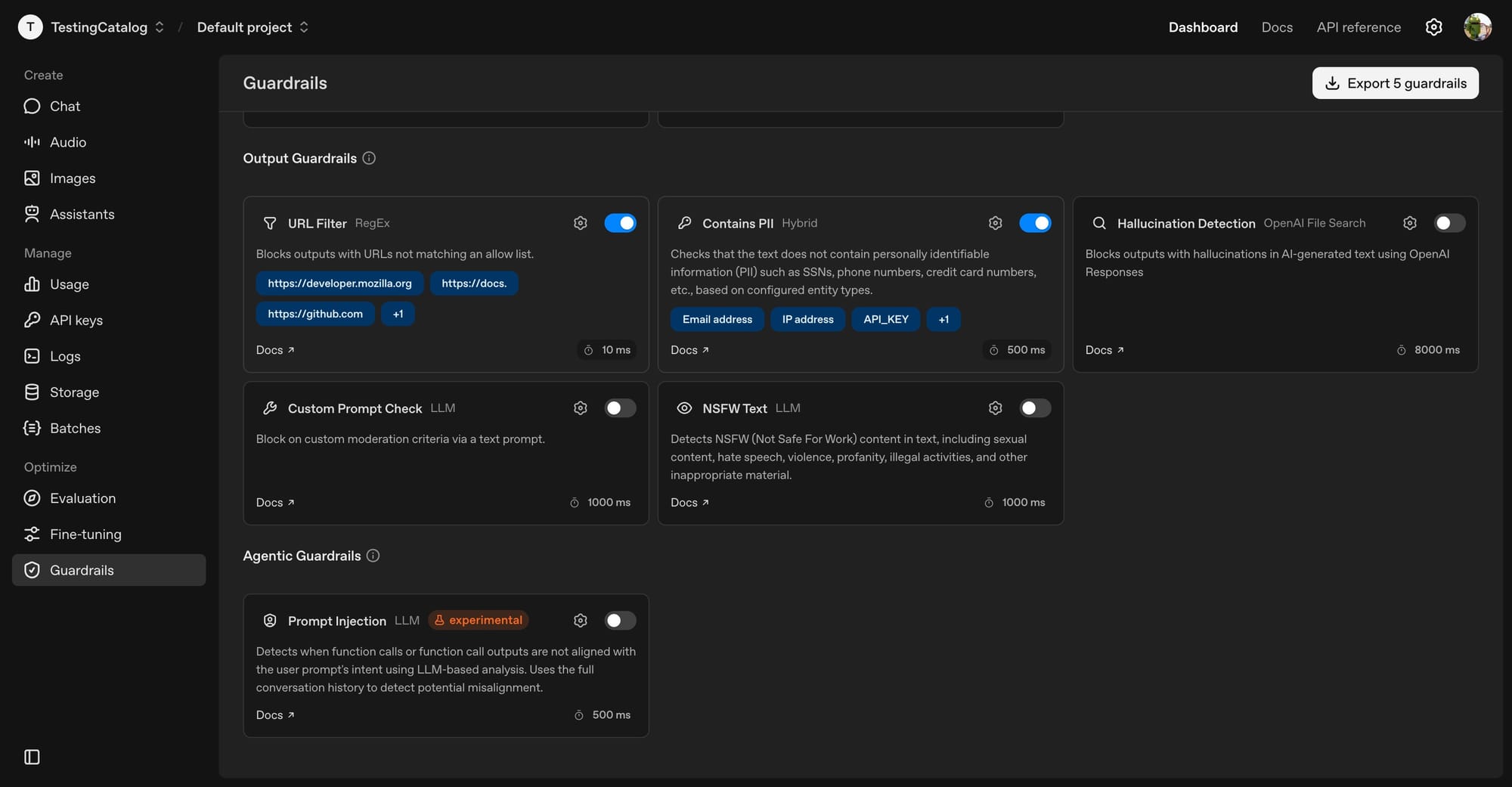
In parallel, a new Guardrails section is surfacing in the navigation, focused on API and app security. This dashboard is expected to allow fine-grained controls for filtering API data, detecting hallucinations, prompt injection, jailbreaks, and more. For enterprise and developer users, particularly those under strict regulations like GDPR, such controls would help ensure compliance and operational safety. This reflects OpenAI’s broader strategy to address persistent concerns around model safety and reliability. If benchmarks and scores for Guardrails become public, it could help organizations evaluate OpenAI’s models more transparently and set new industry standards. The Guardrails feature will also be used in the upcoming Agent Builder!
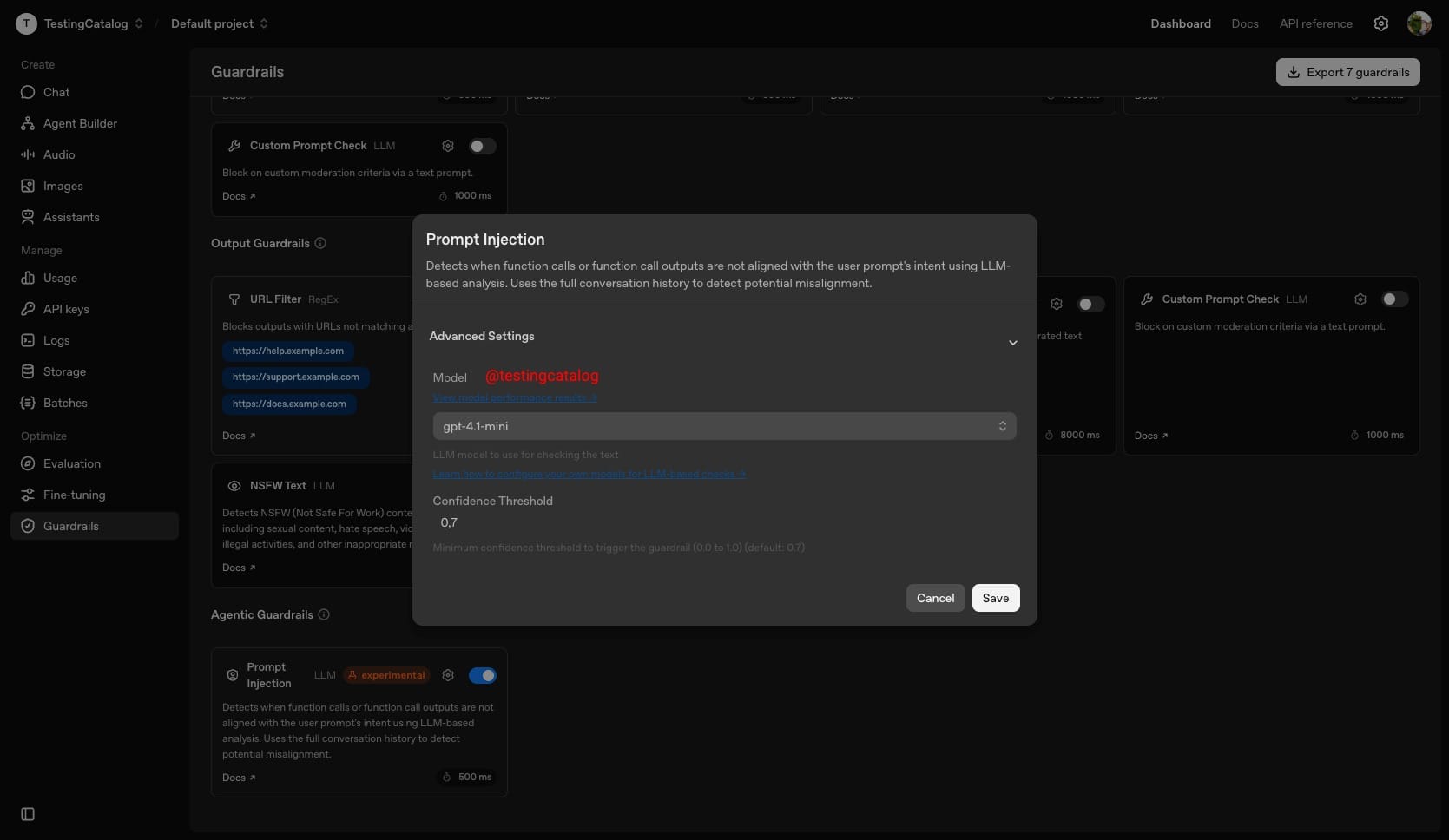
Both the image model selector and Guardrails features, once live, could represent substantial steps for OpenAI’s product lineup and trust-building with the developer community. These updates, if released in the near term, would likely be found in the platform’s image generation tools and API settings, serving both creative users and those deploying OpenAI in production environments.


