
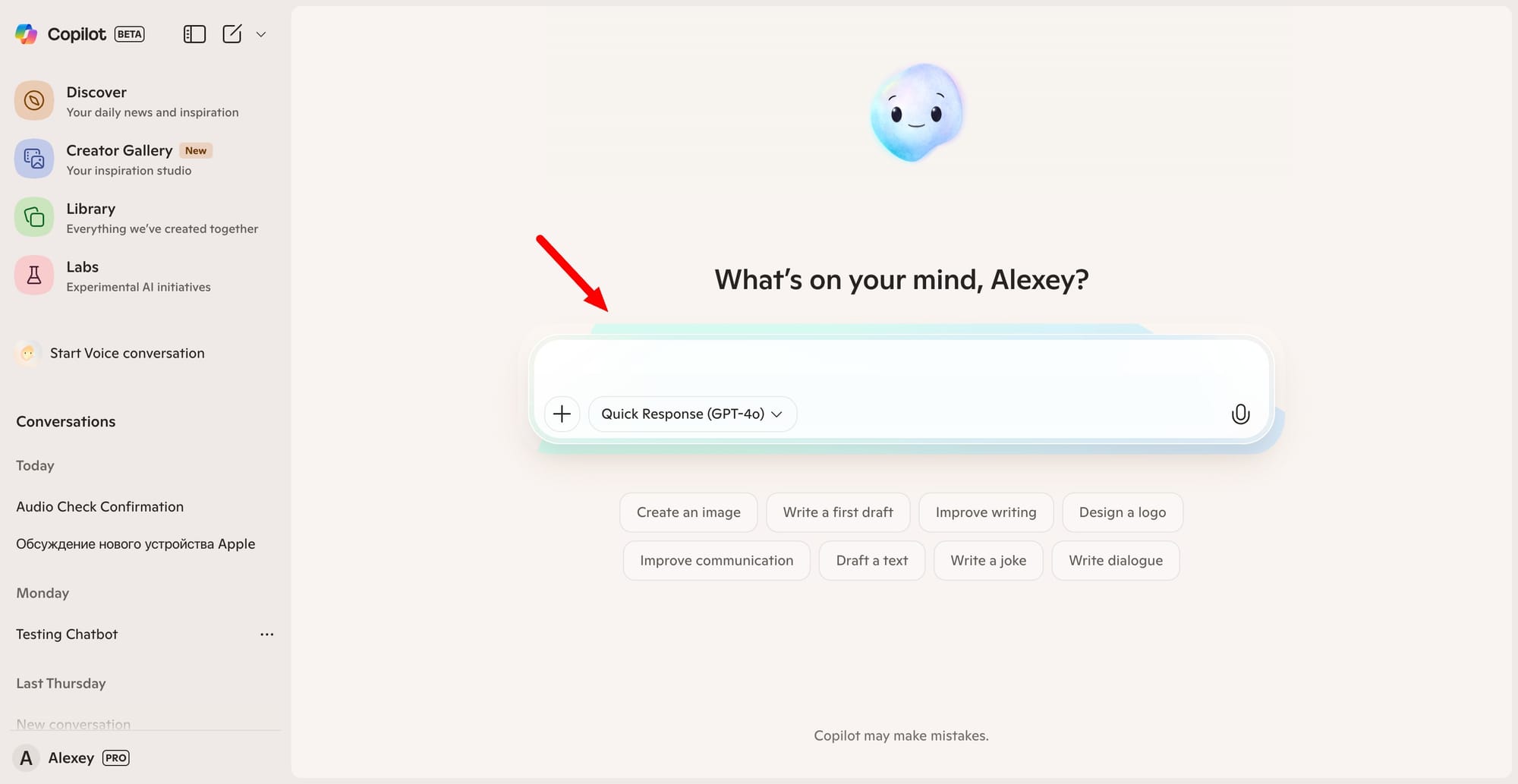
Microsoft is advancing the Copilot platform with updates that may soon affect how users interact with AI assistance, particularly through voice features and privacy controls. These developments are most likely to benefit regular Copilot users, especially those who prefer hands-free interaction or value more discreet conversations.
The changes spotted in testing suggest that Copilot’s voice mode will be more accessible, now appearing directly on the home screen alongside the animated appearance avatar. When users speak to Copilot from the home screen, they receive voice responses in real time, with visual cues such as a glowing prompt bar and avatar animation. This hands-free experience is designed to work without any need for manual input, fitting into the current trend of more conversational AI. However, a notable limitation is that the voice mode remains active as long as the homepage is open, so users need to be mindful about potential unintended listening.
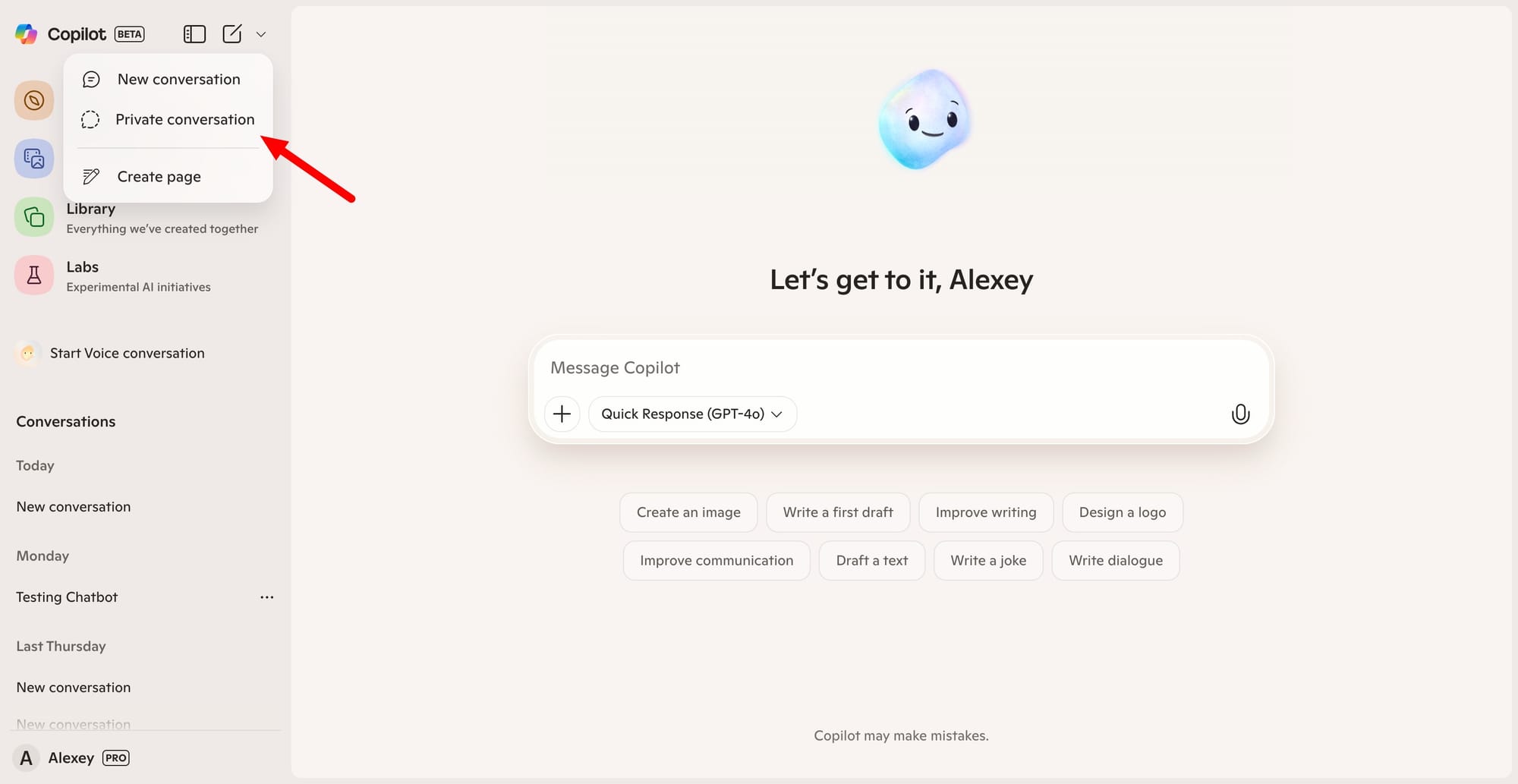
In addition to voice improvements, Microsoft is testing a private chat feature in Copilot. Users will soon have the option to start private conversations from the conversation creation drop-down, similar to incognito modes in browsers. These chats will not be stored in history or used to train Microsoft’s models, providing an extra layer of privacy. This move likely targets users in professional settings or those handling sensitive topics.
Microsoft, known for a strong push into AI productivity tools, has recently developed its own audio models, which now power Copilot’s voice mode. This in-house development could speed up the rollout of these features on the web, but there’s no confirmed release date yet. These updates reflect Microsoft’s strategy to make Copilot a more seamless and trusted assistant, with a focus on privacy and natural voice conversation.


