
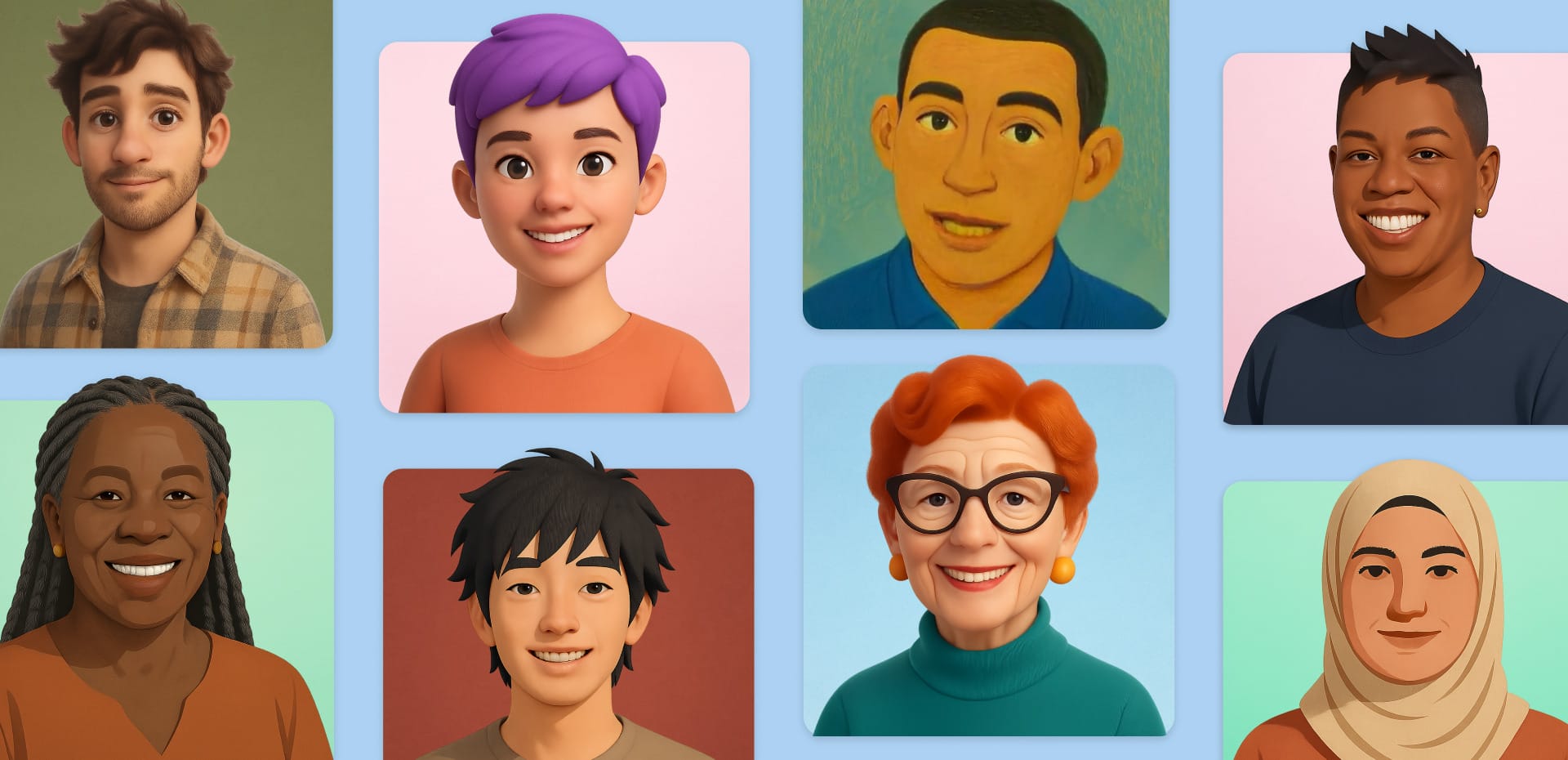
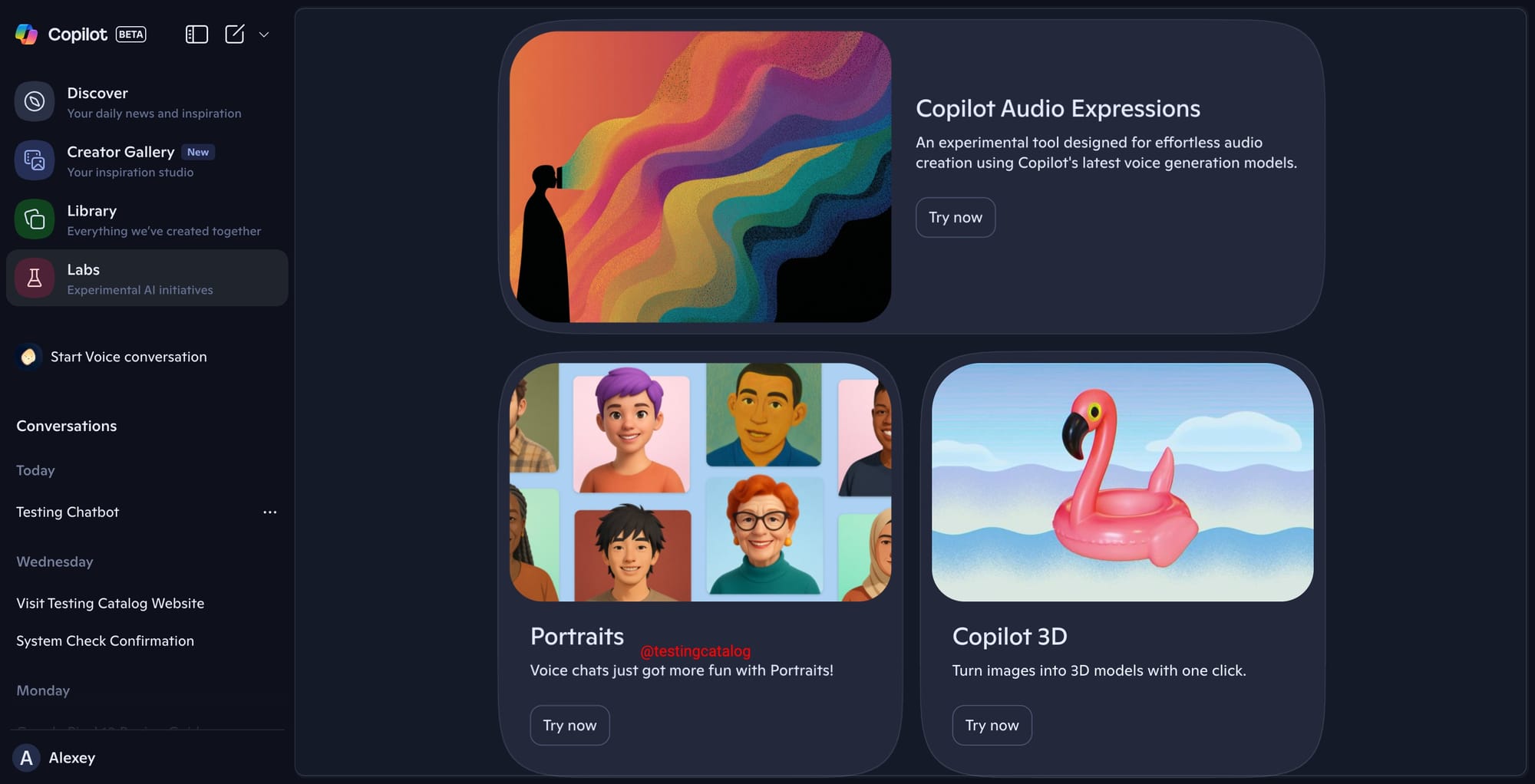
Microsoft is nearing the public announcement of its next Copilot Labs experiment: Portraits, a feature designed to bring animated, non-photorealistic avatars into voice-based chats. The current internal description reveals that the launch will target a limited set of users in the US, UK, and Canada, following the same phased rollout model as previous Labs projects like Copilot Vision. Most users outside these regions—or even within them—may not gain access immediately, as the company appears to prioritise focused feedback over broad distribution in the early phase.
BREAKING 🚨: Microsoft is preparing to launch Portraits Labs experiment soon!
— TestingCatalog News 🗞 (@testingcatalog) September 19, 2025
Portraits are 3D avatars, powered by VASA-1, to which users will be able to talk via voice mode.
40 different portraits, only US, UK and Canada, 20 minutes per day. pic.twitter.com/6aVOtKbdC0
The core concept centers on letting users select from 40 animated avatars, each with a distinct, cartoon-like or 3D style. These portraits are meant to respond visually and emotionally in real-time as users engage in voice chats. Alongside choosing the avatar’s style, users can pick from a range of voices or use the system default, further customising their interaction. The use cases Microsoft is highlighting include:
- Practice for real-world conversations
- Public speaking
- Interview prep
- Study sessions
The company is also experimenting with “study mode voice” flags, hinting at future features specifically for educational or focused learning scenarios.
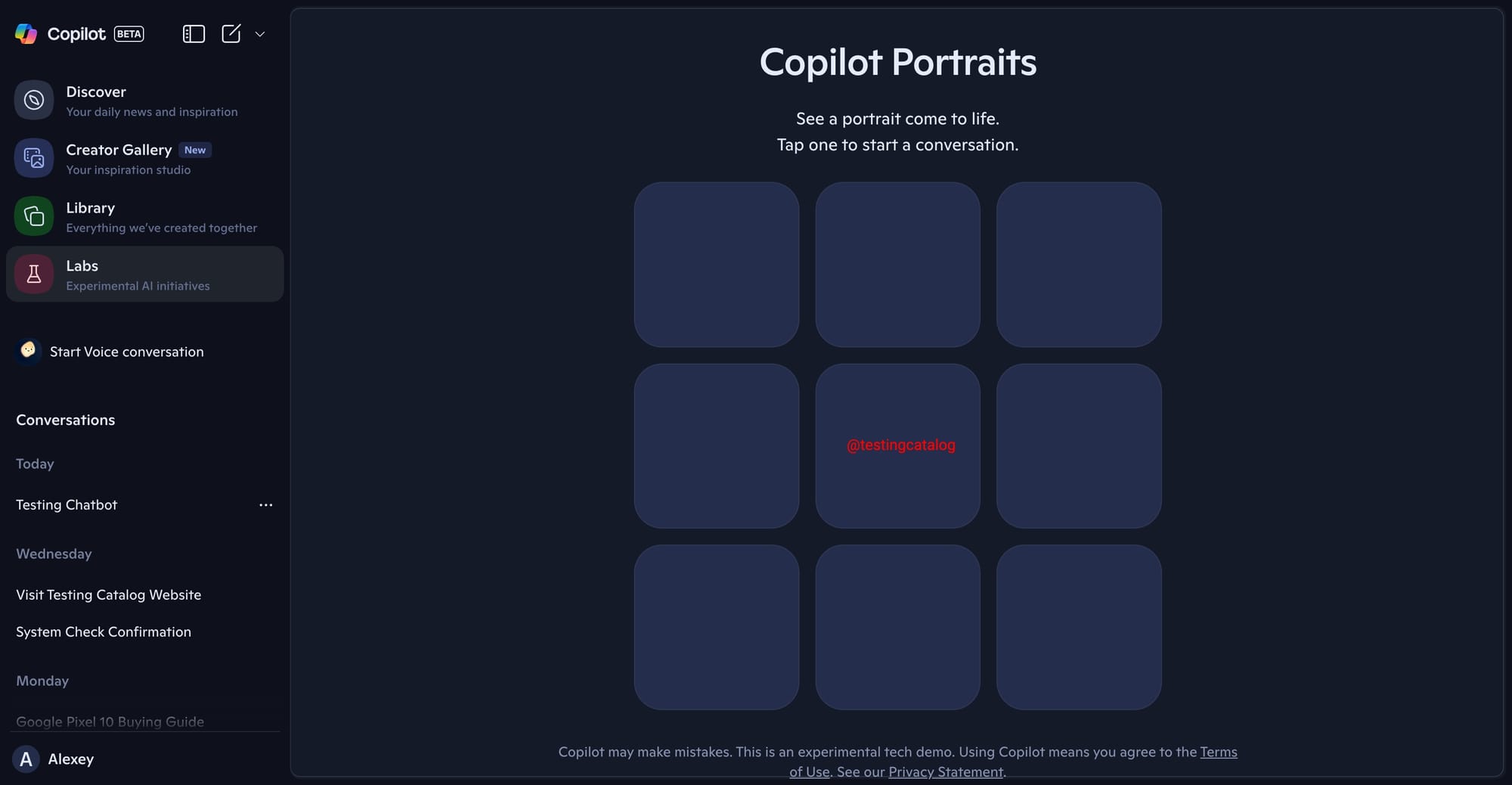
One technical highlight is Microsoft’s reference to VASA-1, an advanced AI model from Microsoft Research that underpins the Portraits system. VASA-1 enables real-time 3D modelling and generates smooth, responsive facial animations during conversation, distinguishing this from traditional static avatars.
VASA-1 powered 3D Avatars
The company stresses safety in both content and design: all portraits are deliberately non-photorealistic to avoid confusion with real individuals, usage is restricted to adults (18+), and conversations are capped at 20 minutes per day, ostensibly as a health safeguard, though technical limitations might also play a role given the experimental nature and resource intensity of real-time AI animation.
While the avatars and server infrastructure are not yet accessible for public testing, Microsoft’s emphasis on gradual rollout and the integration of leading-edge AI aligns with its broader Copilot strategy: layering advanced generative models with user-driven, creative tools that target professional and educational workflows. As the Labs rollout continues, feedback from the initial test group will likely shape how, and how soon, Portraits becomes more broadly available.


