
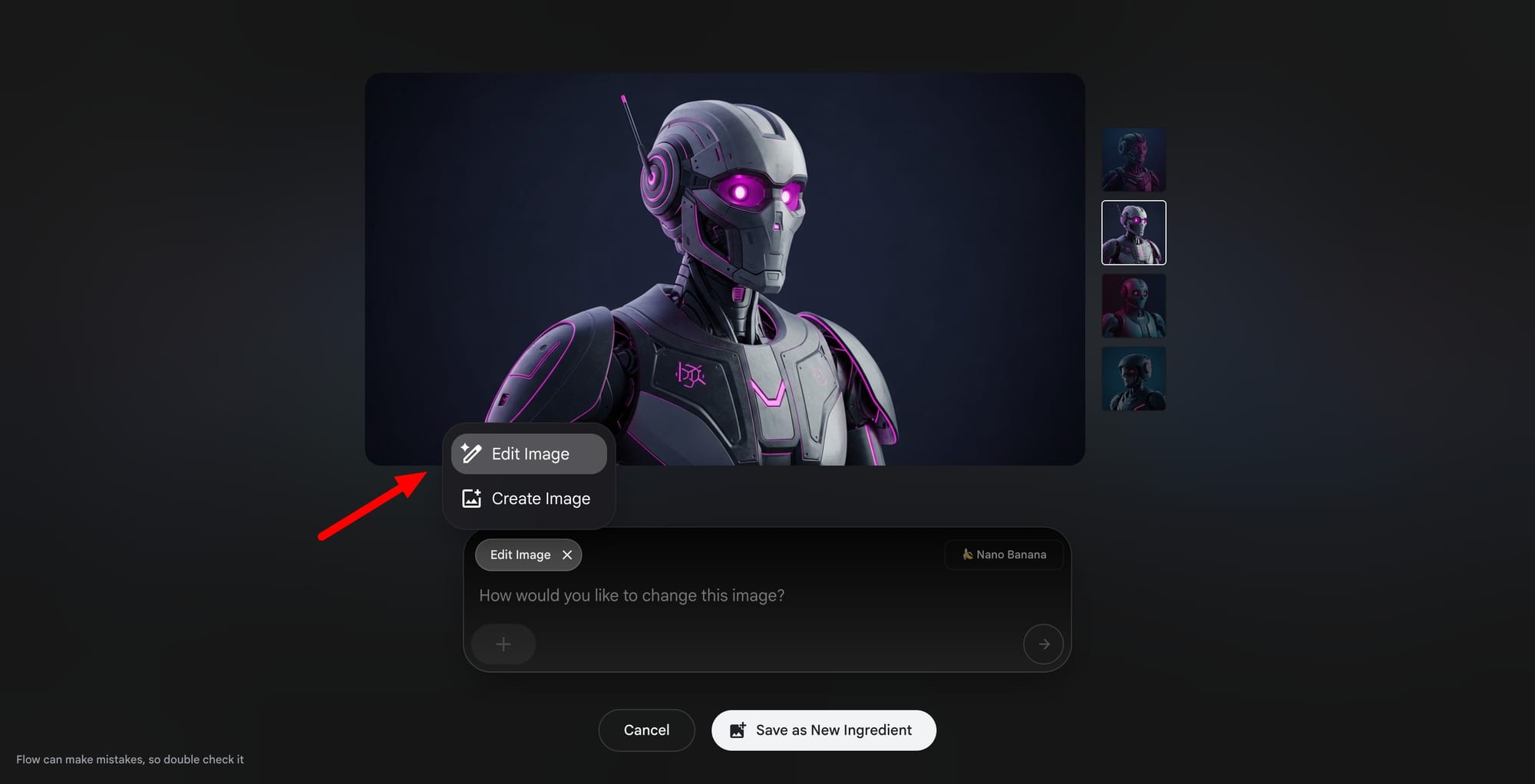
Recent updates to Google Flow, as seen in the September changelog, point to a steady evolution of its creative toolset aimed at both casual users and professionals in the generative content space. The latest highlights include a newly integrated editing feature powered by Google's Nano Banana model. This option appears in the ingredients mode within image generation, giving users a straightforward way to refine images they've just created, something not previously available in Flow. This directly benefits creators who want a tighter feedback loop from generation to final result, and may encourage more experimentation for those producing visuals for marketing, design, or personal projects.
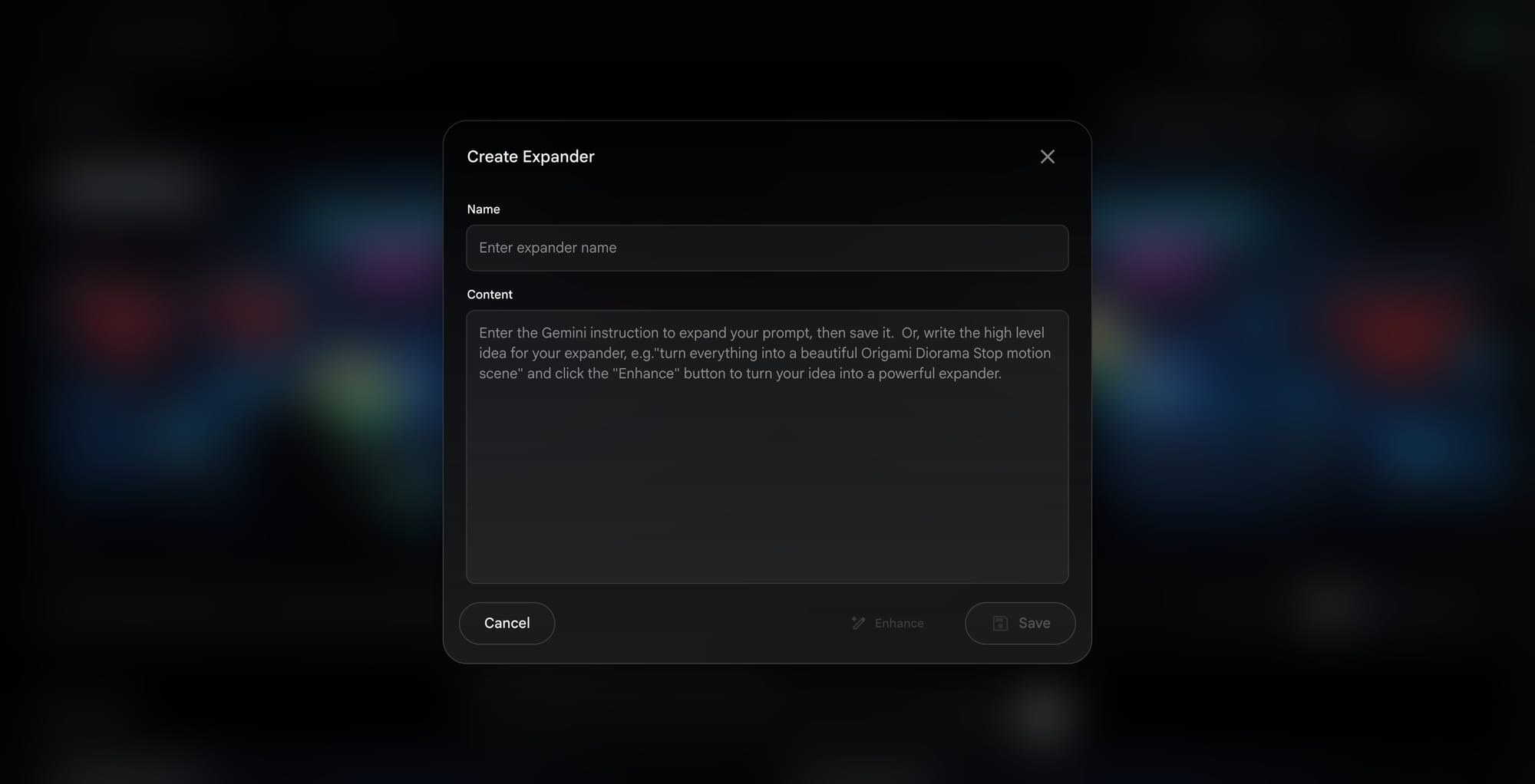
Another notable addition is the prompt expander. This tool enables users to convert a short instruction into a richer, fully formed prompt, supporting a range of presets but also allowing custom expansion styles. For example, someone working on a cyberpunk cartoon movie could input a simple scene description and have the expander elaborate it with the right stylistic cues and details. This should be particularly helpful for filmmakers, animators, and content creators who need more control or want to produce complex, multi-step generative sequences instead of isolated media assets.
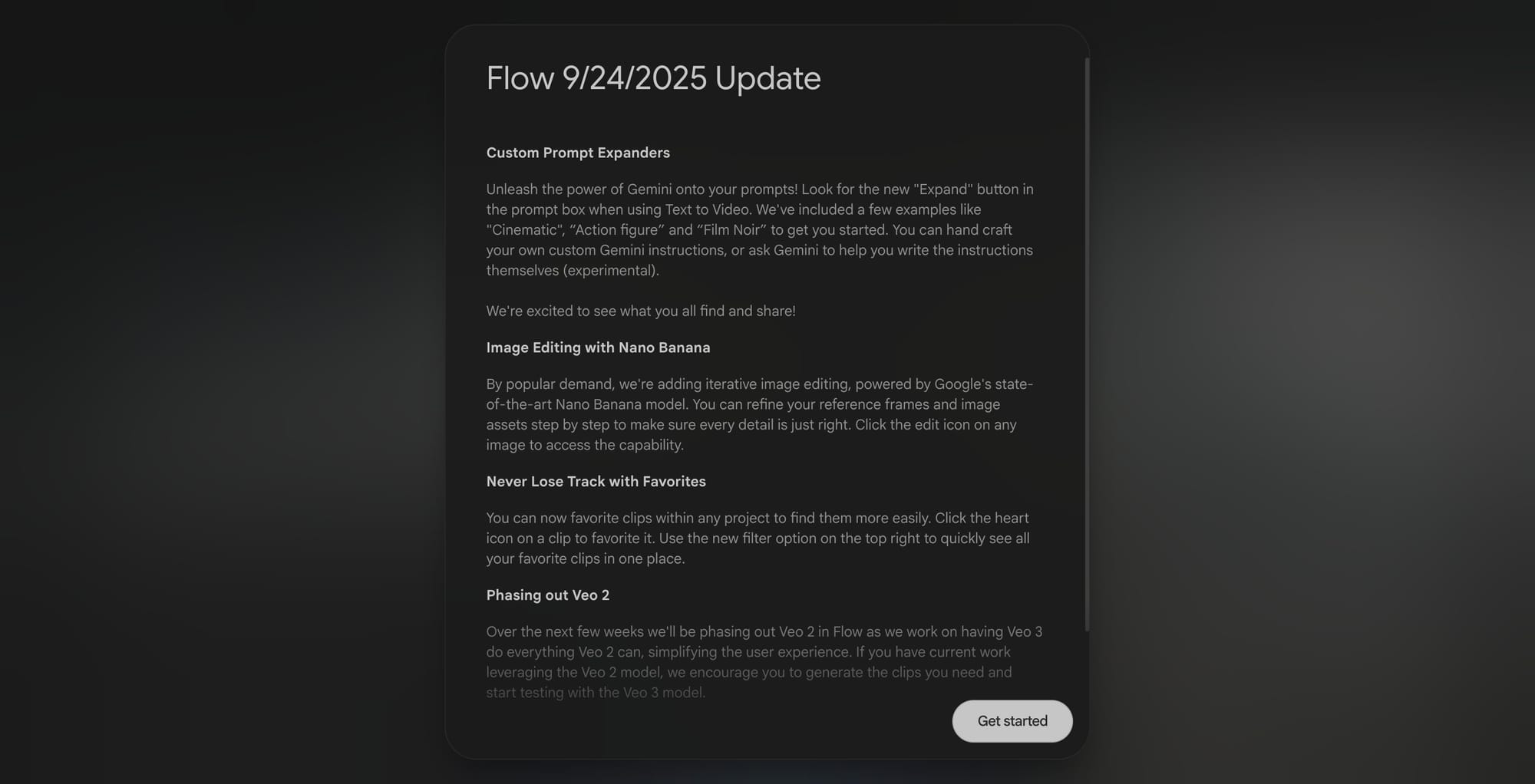
Meanwhile, the announcement that Veo 2 is set to be decommissioned signals an upcoming platform shift, raising questions about continuity for features like ingredients mode that currently rely on Veo 2. If Veo 3 steps in as a direct successor, it could reshape the workflow for many users, though Google has yet to detail the transition plan.
Google’s product strategy for Flow shows a clear focus on modularity and advanced controls, following a trend of offering more power and flexibility to creators. The integration of image editing and prompt engineering tools into a single pipeline hints at Google’s ambition to compete more directly with other comprehensive generative platforms, particularly as the demand for richer content workflows grows.


