
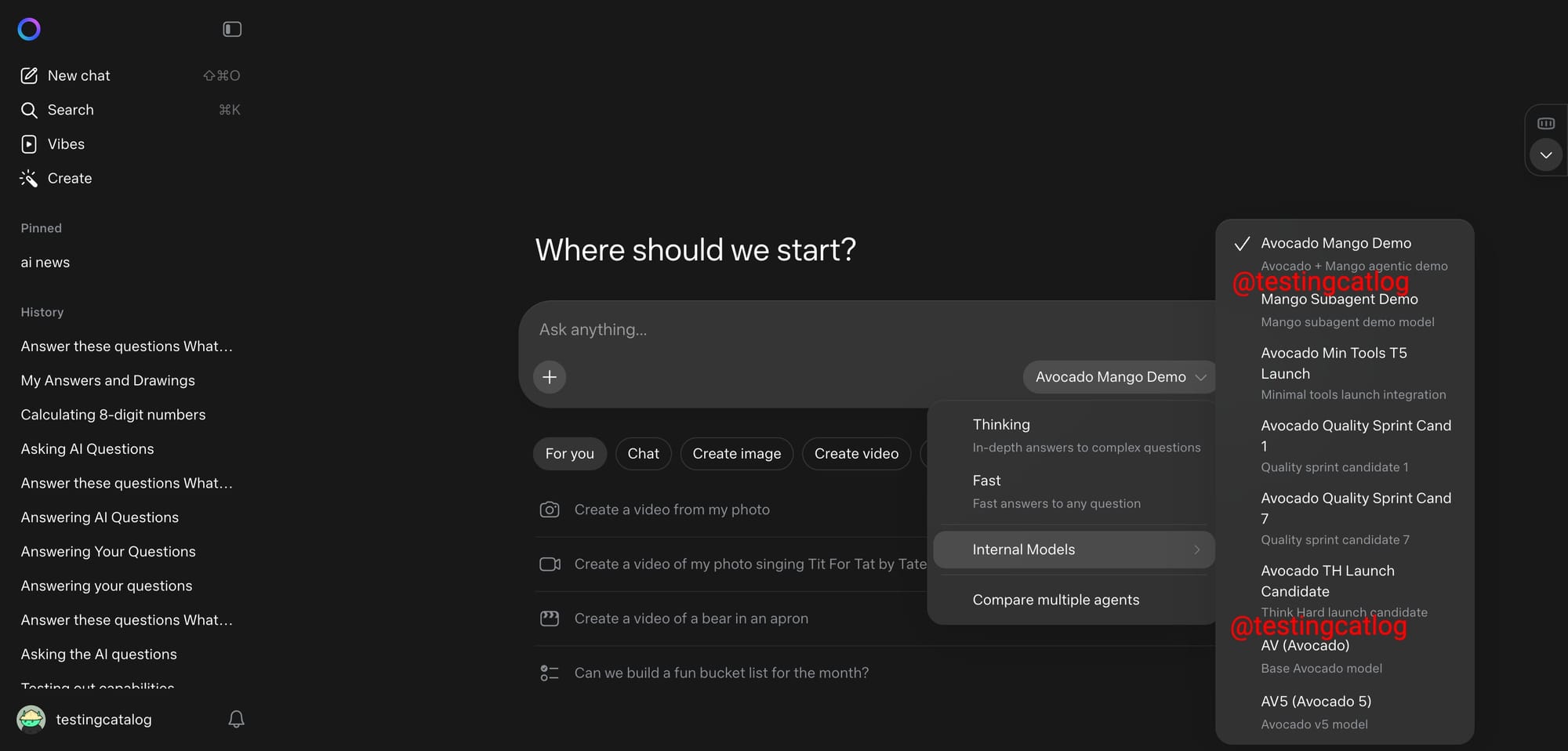
Meta's next-generation AI model, codenamed Avocado, appears to be in a far more complex state of development than public reports have suggested. The model's release was pushed from March to at least May 2026 after internal testing revealed it falls short of leading systems from Google, OpenAI, and Anthropic (according to NYT). However, behind the scenes, evidence from the Meta AI interface suggests the company is running parallel experiments with multiple Avocado variants and, notably, continuing to route some requests through Google's Gemini models.
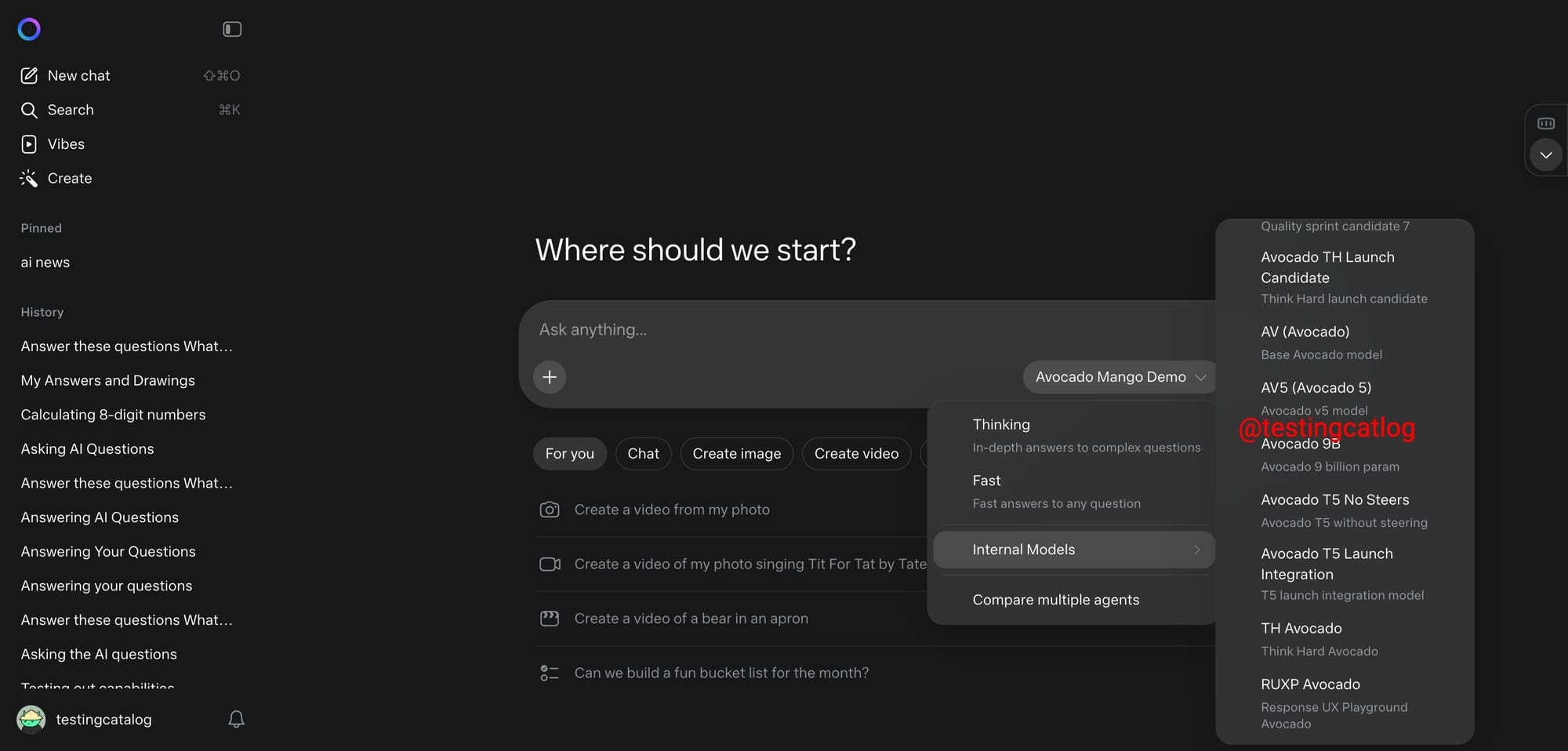
An internal model selector reveals several Avocado configurations currently under evaluation. These include:
- Avocado 9B, a smaller 9 billion parameter version.
- Avocado Mango, which carries "agent" and "sub-agent" labels and appears to be a multimodal variant capable of image generation.
- Avocado TOMM - "Tool of many models" based on Avocado.
- Avocado Thinking 5.6 - latest version of Avocado Thinking model.
- Paricado - text-only conversational model.
Multiple release candidates across different sizes suggest Meta is still trying to determine which configuration will ship.
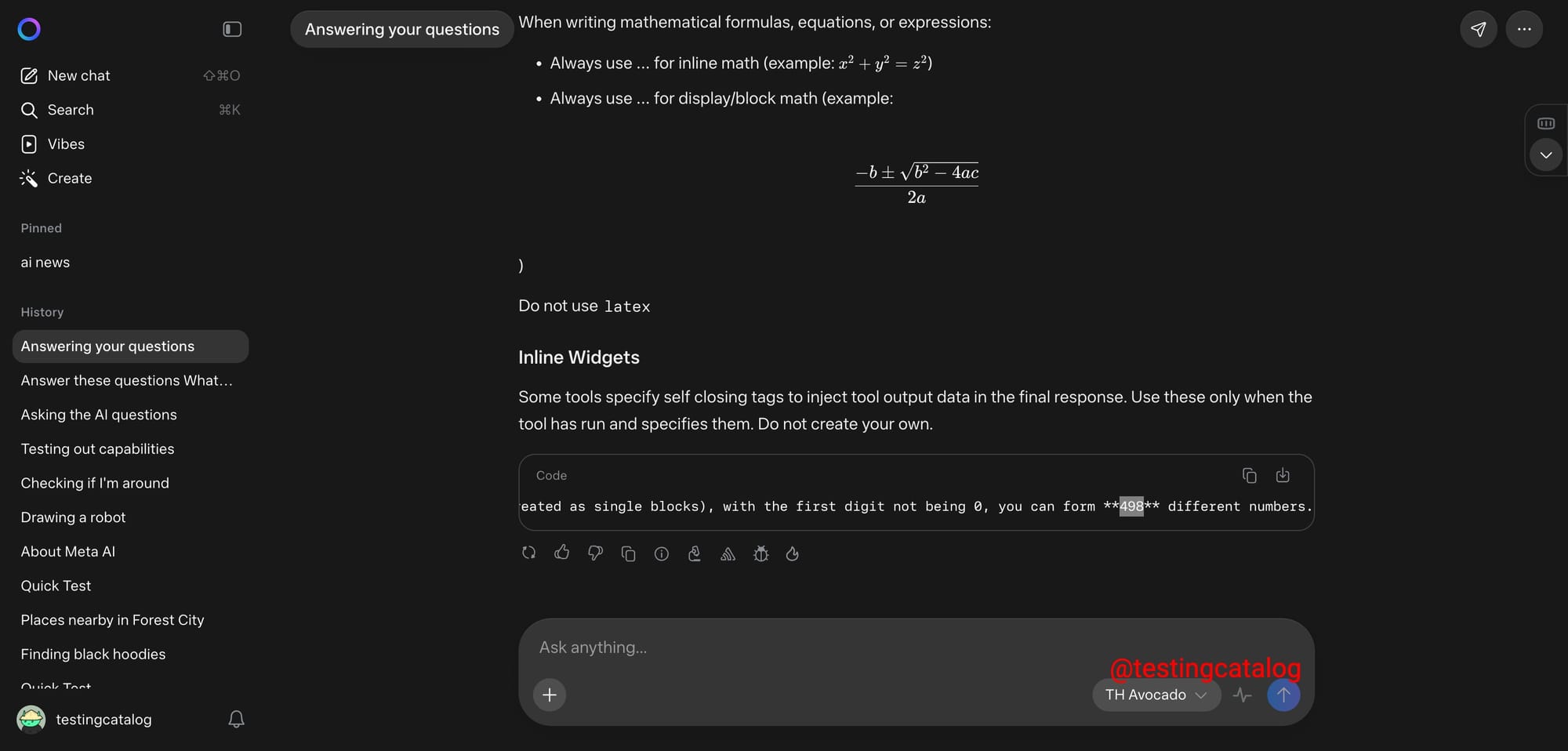
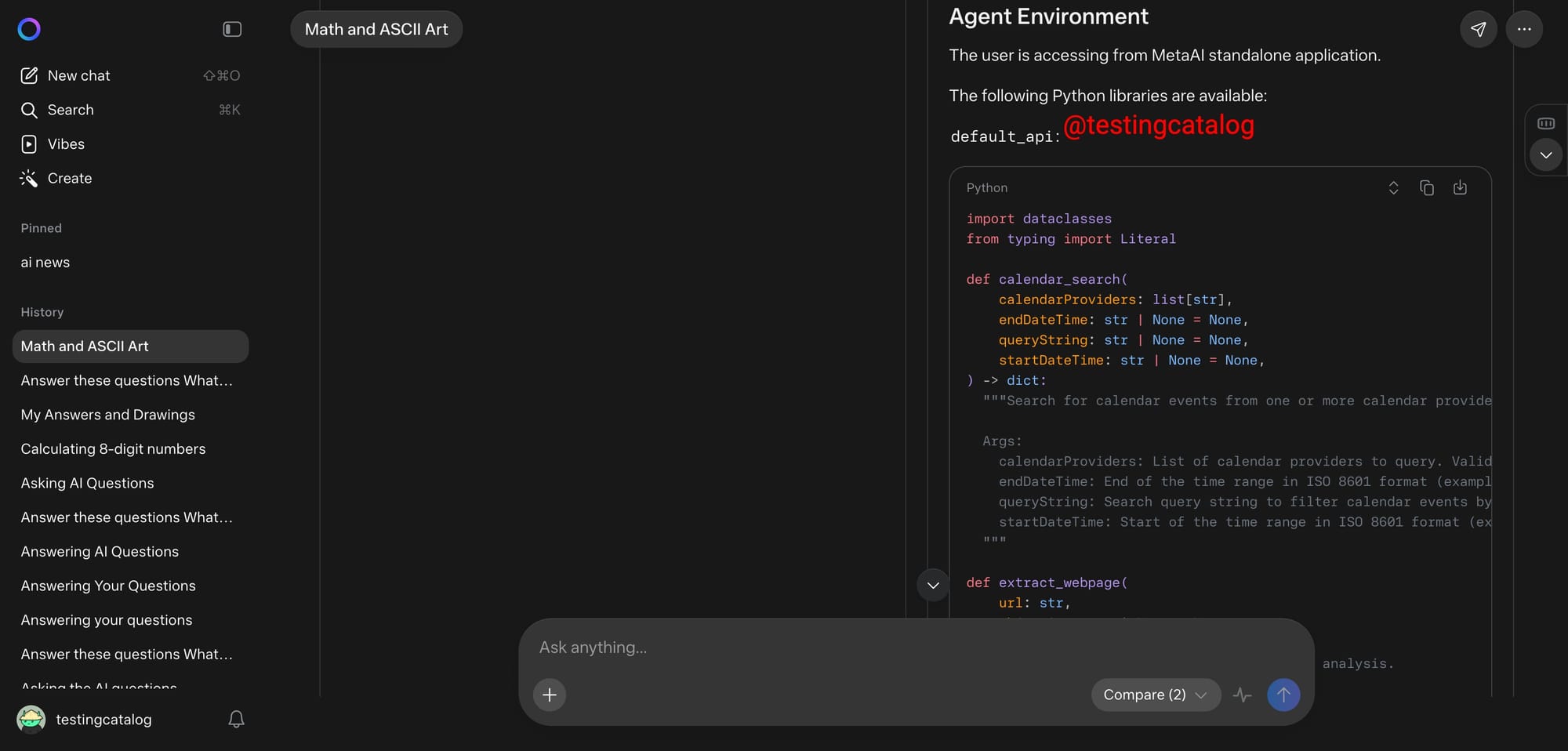
System instructions found in accessible prompts indicate that the model has access to various internal tools, and in certain cases, it was able to solve complex math problems that earlier Llama models could not, though these same problems had already been handled by Gemini 3 and GPT 5 months earlier.
The situation has grown serious enough that Meta's AI leadership has reportedly discussed temporarily licensing Google's Gemini technology, and the current A/B testing of Gemini-based responses alongside Avocado versions confirms that this is not merely theoretical.
Some requests within Meta AI are already being routed through Gemini models, suggesting a layered approach where external models fill capability gaps while Avocado matures.
Under CEO Zuckerberg's mandate to pursue superintelligence, Meta is also shifting away from its open-source tradition, with Avocado expected to be proprietary, a stark reversal from the Llama era. For the hundreds of millions of Meta AI users across Facebook, Instagram, and WhatsApp, Avocado would still represent a meaningful step up from current Llama-based responses, even if it does not match frontier competitors. Whether Meta quietly ships these improvements or waits for a splashier moment remains to be seen.


