
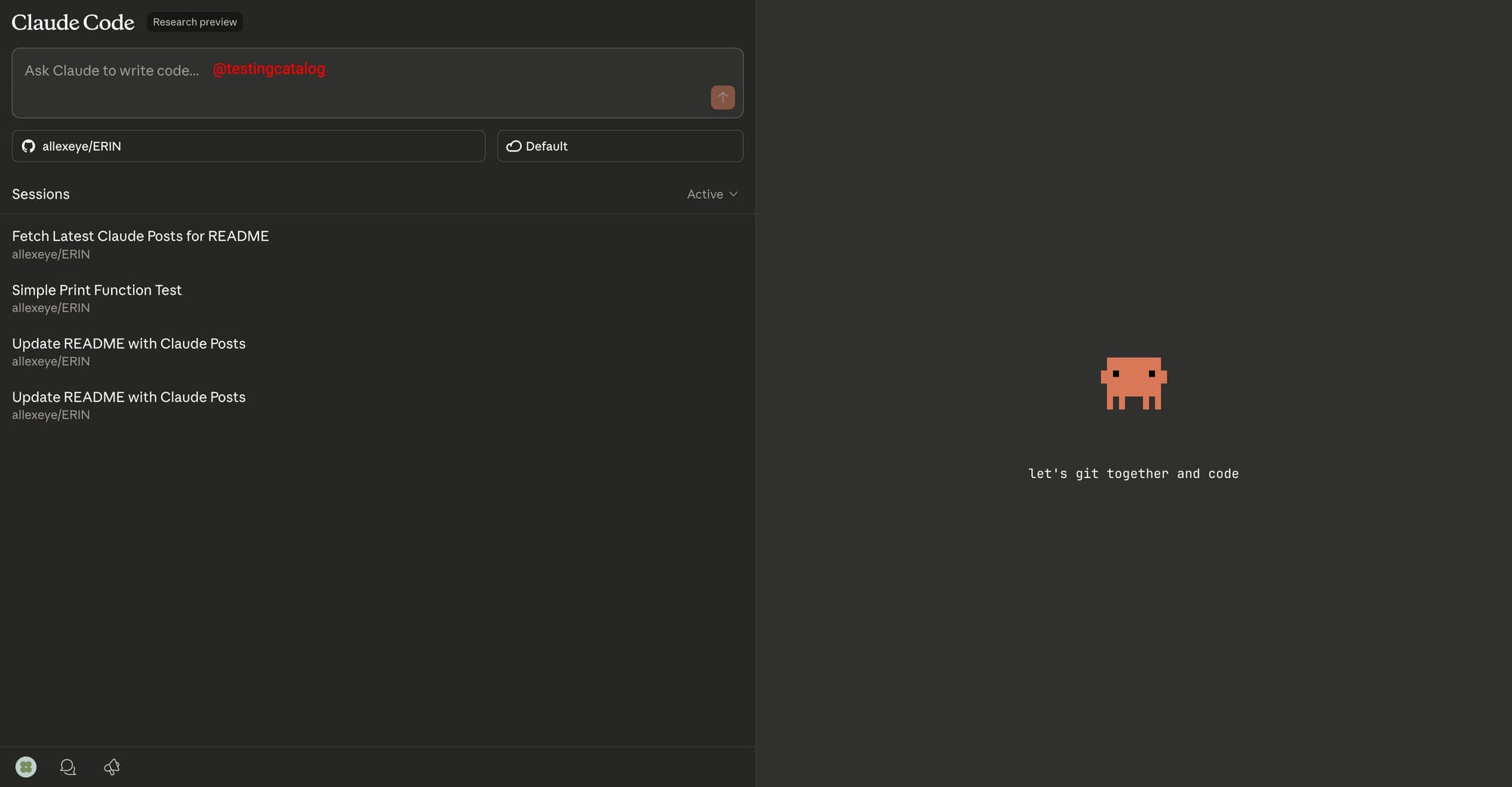
Anthropic is nearing the public launch of Claude Code, and the latest codebase updates reveal a dedicated toggle in settings for organizations to disable or enable the feature (now reverted). The presence of this option, specifically referencing Claude Code for web, hints at imminent deployment and likely wasn’t intended to leak so soon. This move, along with the mention of a waitlist in the UI, aligns with Anthropic’s broader strategy of staged, invite-based rollouts for high-demand features to control early traffic and user experience.
BREAKING 🚨: Early Preview of Claude Code for web! Users will be able to choose between different environment types, create and browse coding sessions with Claude.
— TestingCatalog News 🗞 (@testingcatalog) October 17, 2025
UI comes with a split screen, and Claude Code functionality will partially replicate what is available on CLI. pic.twitter.com/FDuZDxBzYF
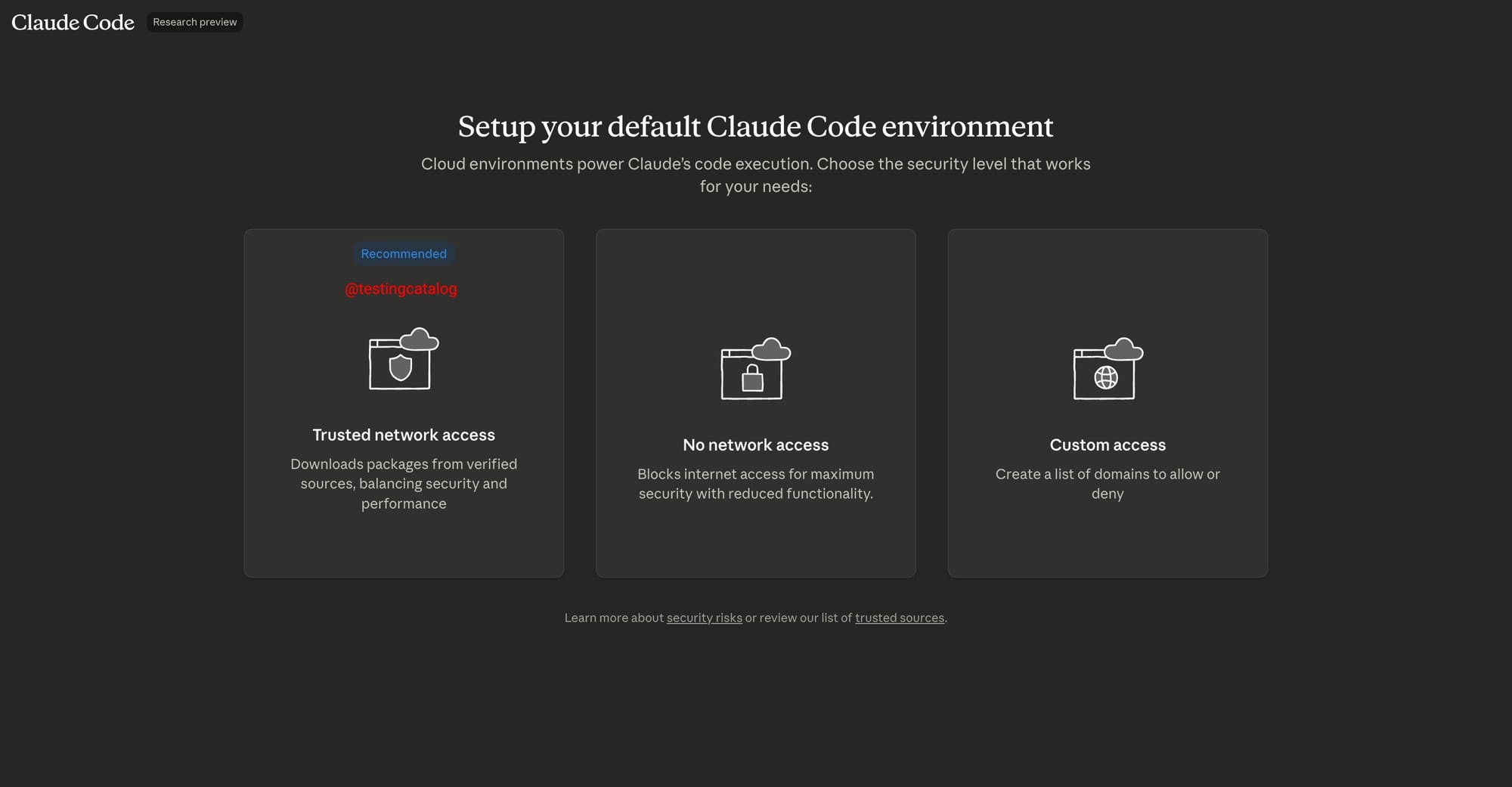
Early access to the research preview shows that onboarding is minimal: users can spin up coding environments with three security profiles:
- Trusted network access (for package installs from verified sources)
- No network access (for maximum isolation)
- Custom access (specifying allowed/blocked domains, with support for wildcards)
Environment variables and secrets are supported for each workspace. After setup, users connect a repository, and Claude Code takes task instructions, running in a web UI that splits session management, prompts, and chat responses between left and right panes. Each coding session allows direct interaction. Claude can use CLI tools, search online, edit files, and even open GitHub pull requests at task completion.
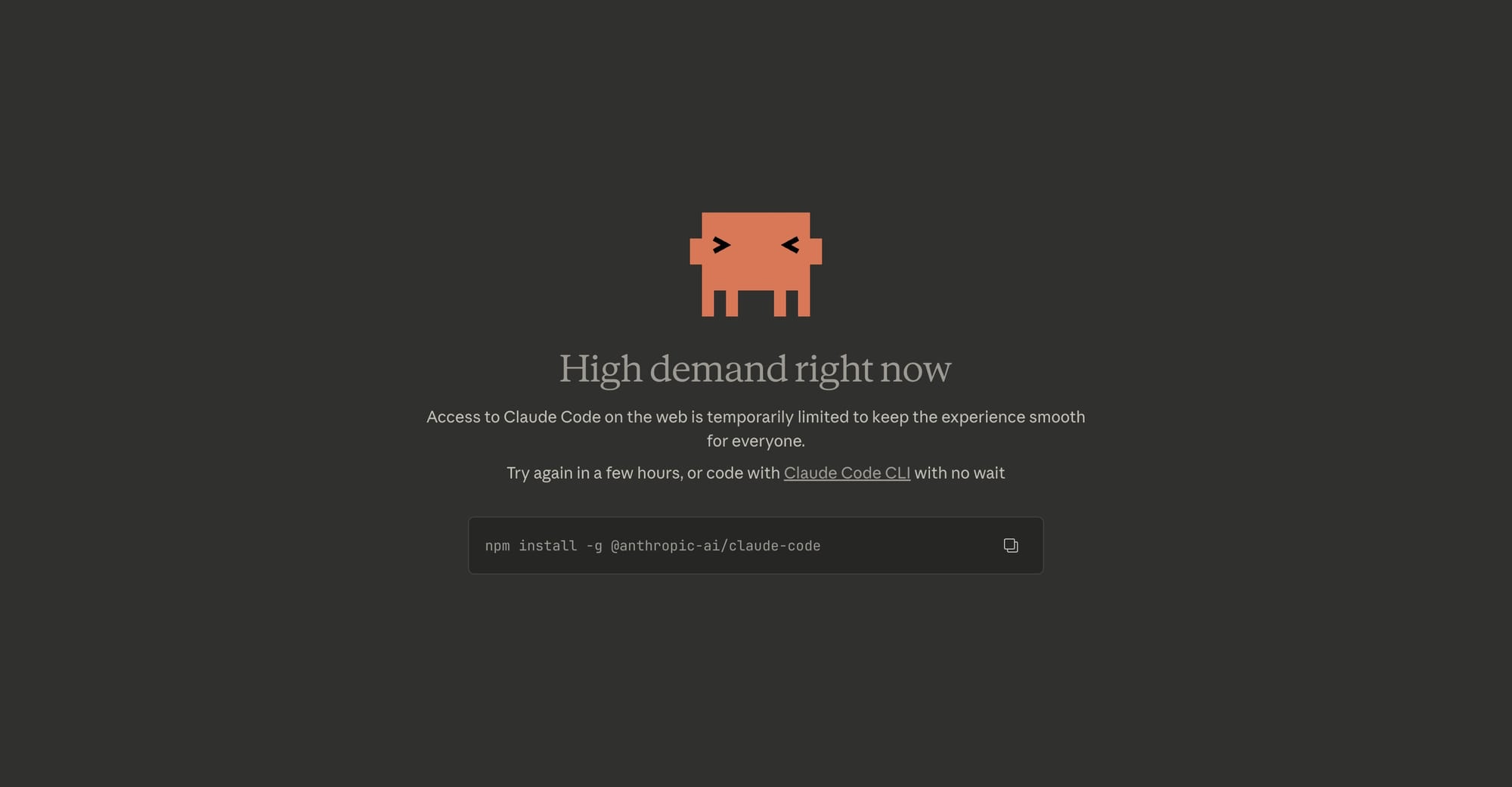
The company is positioning Claude Code as a full-stack, agent-driven solution for developers who want more autonomy from traditional CLI workflows. The web version mirrors a terminal-like experience, but with the benefits of cloud execution, session history, and an interface accessible from anywhere. Mobile support is coming in parallel, broadening the potential user base to those preferring development tools on the go or without a local command line. For organizations, the toggle provides IT control, while the waitlist system manages capacity during early high demand.
Anthropic’s current strategy shows a strong focus on developer workflow automation and cloud-native coding, leveraging agent capabilities and tight GitHub integration. Claude Code fits this pattern, aiming to meet the needs of both individual developers and enterprise teams looking to streamline coding, code review, and deployment in secure, configurable environments. If adoption is strong, it could become a notable alternative to existing solutions like GitHub Copilot or ChatGPT Codex, especially for teams valuing privacy controls and flexible environment setup.


