
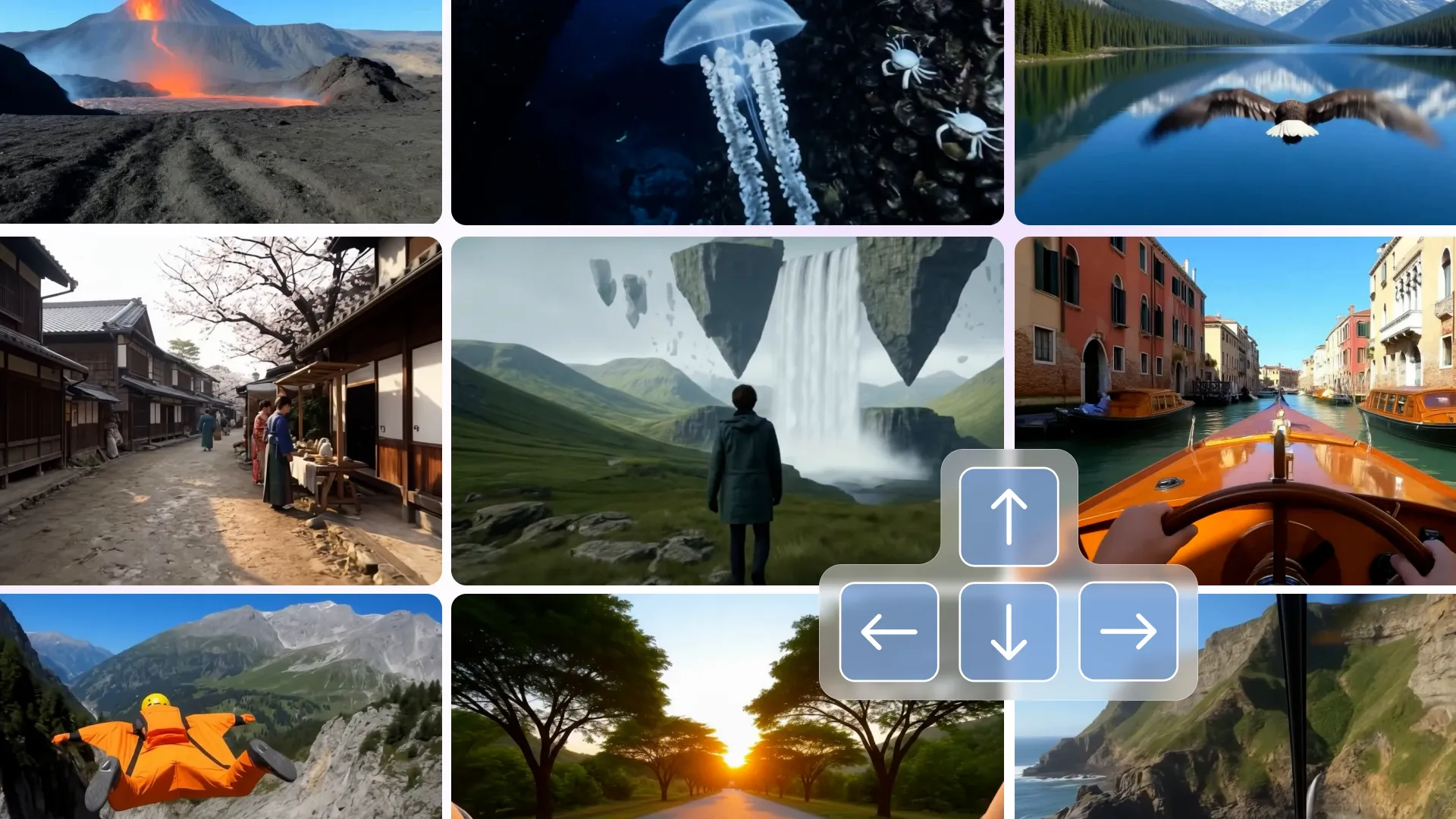
Google DeepMind has just unveiled Genie 3, a world model that transforms a short text prompt into a playable 3-D environment at 720p and 24 fps. Released on 5 August 2025, the system allows users to explore a generated scene for several minutes, significantly extending the 10-second limit of Genie 2 and setting a new standard for generative virtual worlds.
Frames are produced auto-regressively, with the model referencing the entire trajectory to maintain approximately one minute of visual memory. A new “promptable events” feature enables creators to alter weather or introduce new entities mid-run without changing the underlying layout. In test runs, the SIMA generalist agent successfully completed multi-step objectives within Genie-built warehouses and forest clearings, highlighting the platform’s potential as a cost-effective training ground for embodied AI.
Good Knight 🏰⚔️🛡️ https://t.co/ymN5uBs7Cb pic.twitter.com/KMQsfE7nau
— Philip J. Ball (@philipjohnball) August 5, 2025
Access begins today through an invite-only research preview aimed at academics and digital creators, allowing DeepMind to gather safety feedback before broadening availability. Early invitees praise the extended playtime and more stable geometry but note brittle physics and a limited action menu compared to traditional engines.
Genie 3 builds on the 2024 Genie 1 proof-of-concept and its successor Genie 2, while incorporating video-generation advancements from the Veo family. By generating endless on-demand scenarios without hand-crafted assets, DeepMind argues it can reduce data and hardware costs and accelerate progress toward artificial general intelligence.
Founded in 2010 and now part of Google’s Advanced Technology group, DeepMind has spent the past decade combining large-scale reinforcement learning with generative models. Executives position Genie 3 as a cornerstone of the company’s “world-as-simulator” roadmap, complementing policy-training suites such as AlphaZero and Gemini to bridge virtual cognition and real-world deployment.


