
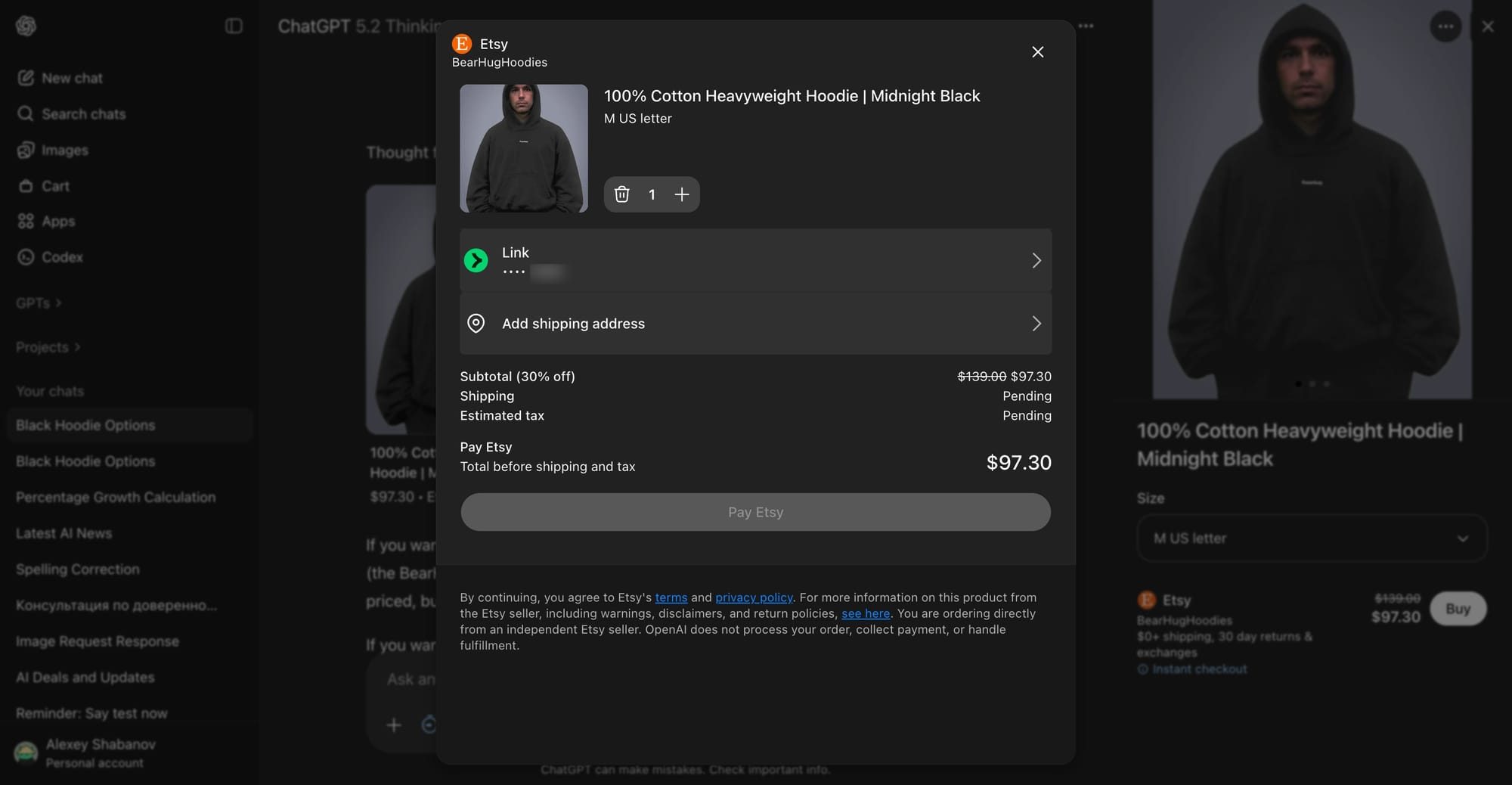
OpenAI is developing new features aimed at making ChatGPT more transactional and commerce-friendly. Among the changes, a dedicated shopping cart section will be added, allowing users to track products they’ve shown interest in during conversations. This section will serve as a centralized space to review selected items, choose a delivery address and payment method, and finalize purchases within the ChatGPT interface.
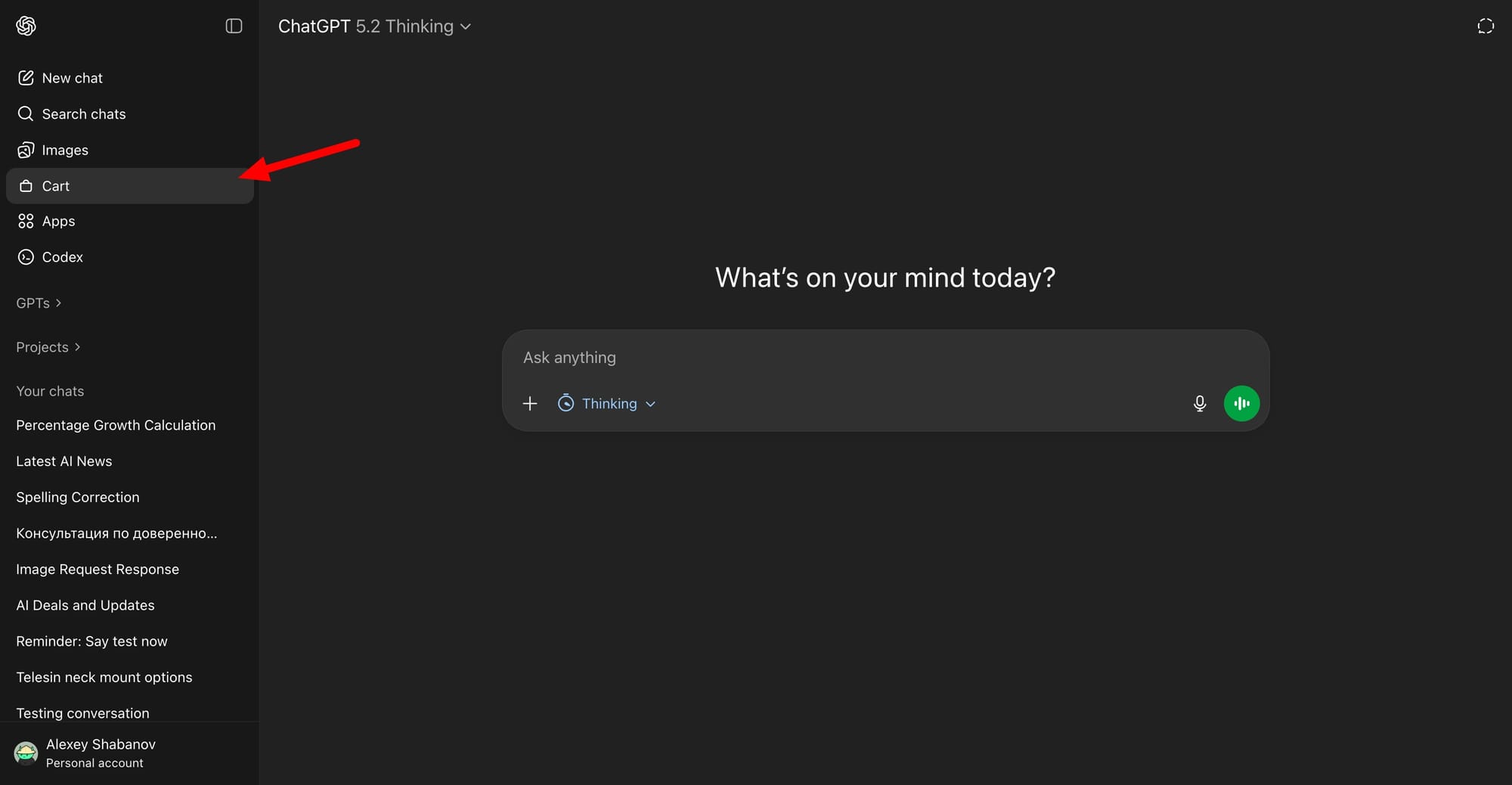
The approach closely mirrors what Microsoft has rolled out in Copilot under the shopping feature, suggesting OpenAI is positioning ChatGPT for similar direct commerce integrations.
Another update in progress is support for personalized responses in temporary chat sessions. While these conversations are not saved long-term, the language model will still be able to use existing user data and chat history to tailor its replies, balancing privacy with customized assistance.
Temporary chat in ChatGPT has a new, currently hidden option that lets you still use personalization (memory, chat history, style and tone preferences) even though the chat is only temporary
— Tibor Blaho (@btibor91) January 23, 2026
ChatGPT web app now also mentions new ChatGPT FinServ plans (Enterprise-like), shopping… pic.twitter.com/CaMaeYlCmP
Additionally, a new submission page for merchants is in development. This tool will let sellers upload their product feeds, providing a pathway for their listings to surface in ChatGPT’s shopping-related flows, a move that could appeal to small business owners and online sellers seeking a broader reach.
These features point toward a broader product strategy of making ChatGPT more useful in daily tasks, including shopping and personalized support. While there’s no clear timeline for public availability, recent comments from Sam Altman indicate that more codex-related products and capabilities are also planned in the near future.


