
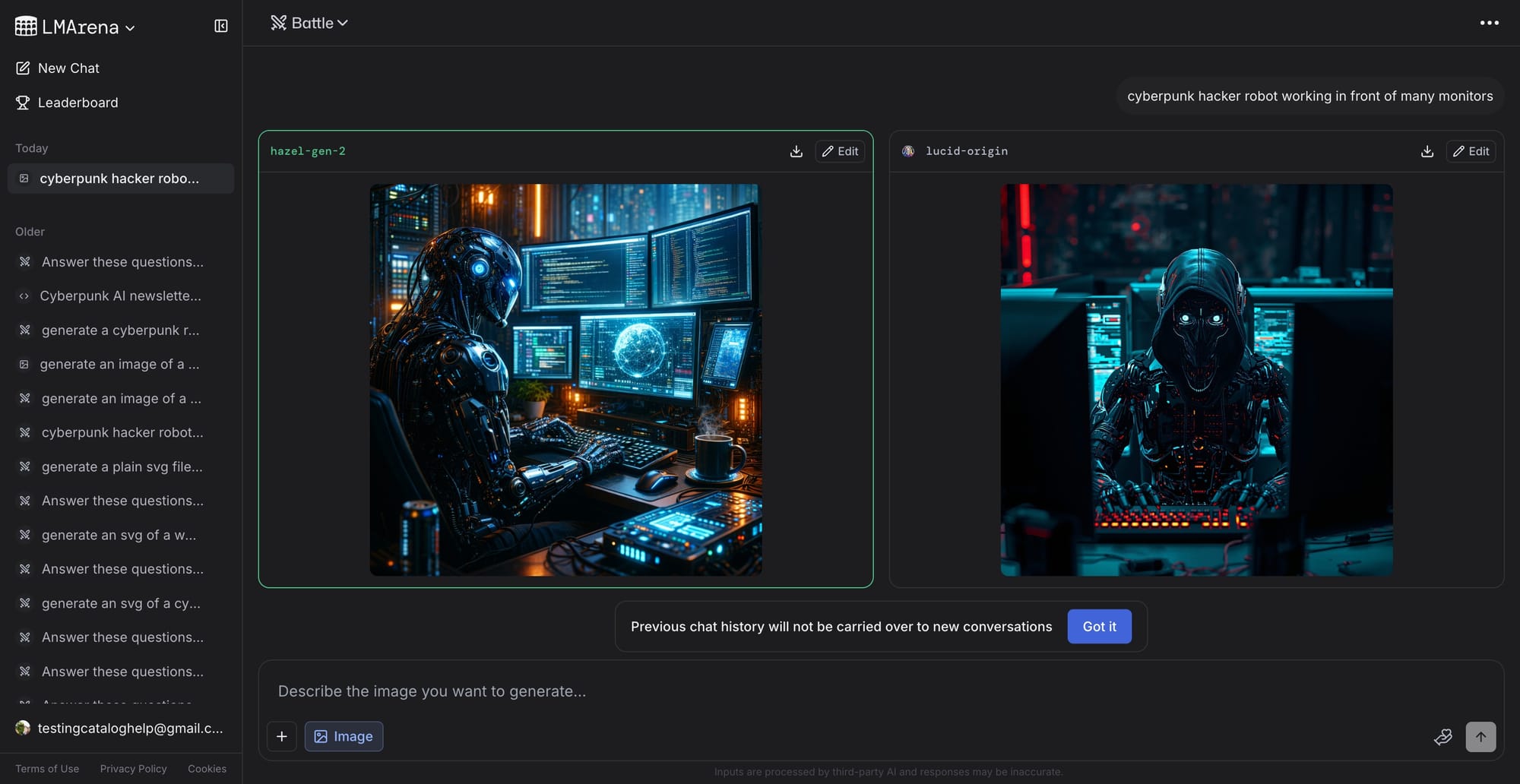
OpenAI is preparing to roll out its next generation of image generation models alongside the rumoured GPT-5.2 release. Two new models, currently appearing as Chestnut and Huzzlenut in online evaluation platforms like LM Arena and Design Arena, are expected to be marketed as Image-2 and Image-2-mini. These are positioned as direct successors to the widely used Image-1 model, with a clear focus on improving visual quality and versatility.
BREAKING 🚨: A new image model from OpenAI has been spotted on LM Arena.
— TestingCatalog News 🗞 (@testingcatalog) December 9, 2025
Chestnut and Hazelnut 👀 https://t.co/vCsxORCzvC pic.twitter.com/cDWS3bSqFL
Early testers note a substantial increase in image detail and fidelity, addressing previous complaints such as the yellow tint that affected many outputs from Image-1. This upgrade appears to bring OpenAI’s image generation closer to the standard set by Google’s Nano Banana 2, especially in terms of rendering detail and color accuracy. While side-by-side comparisons reveal that Nano Banana 2 still leads in some scenarios, OpenAI’s models have closed much of the gap, particularly with the removal of persistent colour issues and improved image structure.
Hazelnut vs Nano Banana Pro
— Angel ❄️ (@Angaisb_) December 9, 2025
"Create an infographic that shows how to make elaichi chai" https://t.co/zPbXHHXZVl pic.twitter.com/372x7Mu3PE
The new models’ visual style is drawing comparisons to earlier DALL-E generations, suggesting a blend of past strengths with more advanced rendering capabilities. The rollout will target ChatGPT users and potentially other OpenAI services where image generation is integrated.
Still that yellow tint cmon bro solve this competition is way ahead same prompt different results
— Chetaslua (@chetaslua) December 9, 2025
Hazelnut {left} SeeDream-4 {right} https://t.co/oQGpEMdWG0 pic.twitter.com/mO8uZLtbrC
There is no official launch date yet, but preparations for the announcement are visible in ChatGPT's code, and the industry expectation is for a coordinated release with GPT-5.2. This move fits OpenAI’s current strategy of rapid, incremental improvements across both text and visual AI capabilities, aiming to keep pace with competitors like Google, which have aggressively advanced their own multi-modal offerings. If these image models launch as anticipated, they would directly benefit creative professionals, developers, and businesses relying on AI-driven content creation, providing higher-quality assets for design, marketing, and prototyping workflows.


