

Anthropic appears to be preparing a dedicated Agent Mode for Claude, surfaced through a new toggle on the home screen that switches between standard chats and a task-oriented workflow. This distinction is referenced repeatedly in the code, suggesting that Claude will receive a structured interface for running tasks instead of only conversational threads.
"Button in a toggle that changes between classic chat experience and a more complex agent mode experience"
When enabled, the interface switches to a grid-pattern background and the prompt button updates to a “let’s go” call to action, implying that users will be guided into multi-step flows rather than simple prompts.
BREAKING 🚨: Anthropic is working on the Agent Mode for Claude!
— TestingCatalog News 🗞 (@testingcatalog) December 8, 2025
"Button in a toggle that changes between classic chat experience and a more complex agent mode experience"
And a new pixel style avatars 👀 https://t.co/Ds6ZvqkD62 pic.twitter.com/ItKejPPHox
This mode would most likely benefit users who rely on Claude for repeatable or multi-stage operations, since the agent mode hints at tool use and possibly browser execution similar to what competitors already offer.
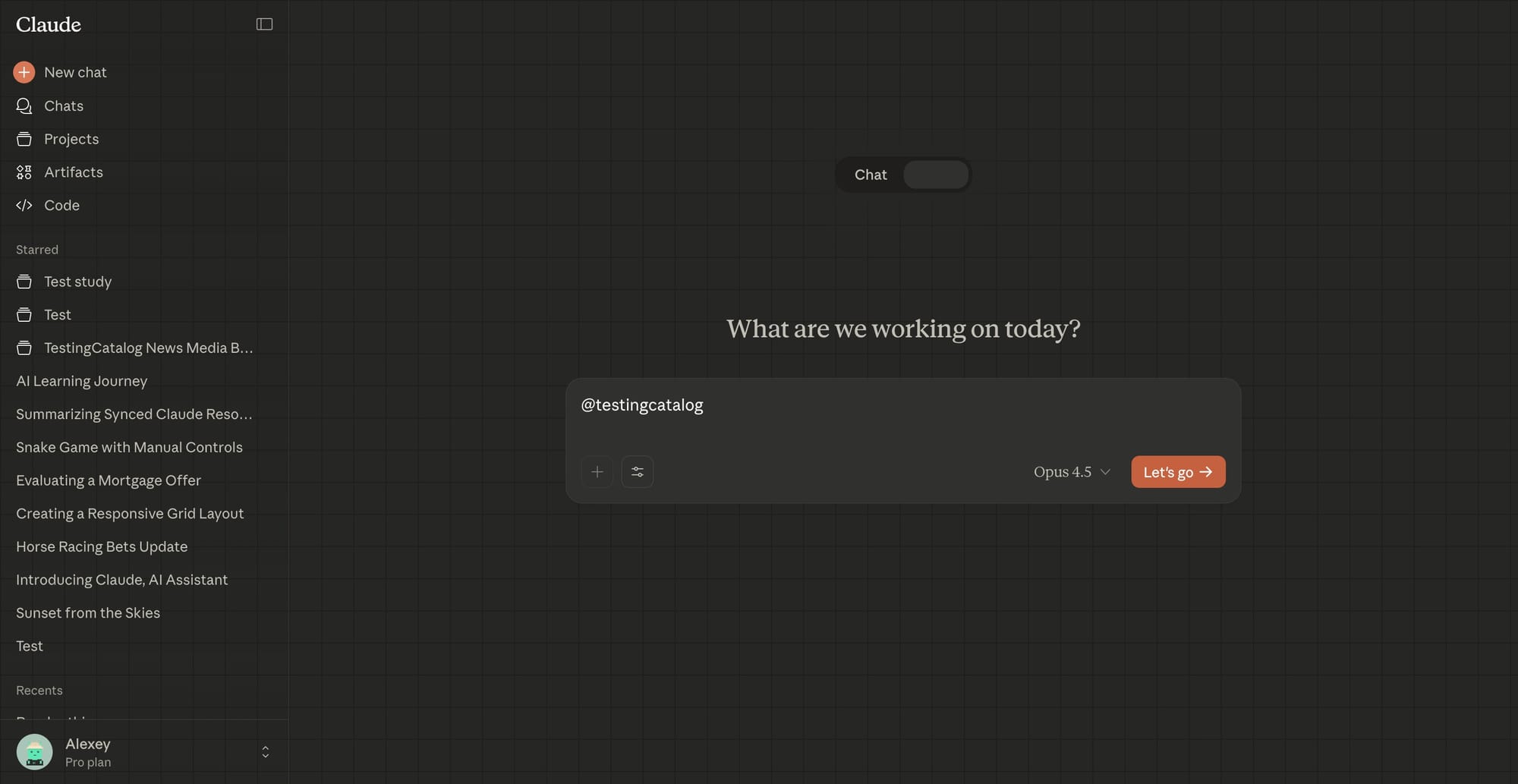
The features were uncovered in application builds, where both UI elements and labels show how the new mode would live on the home screen as an optional advanced environment. No timeline is mentioned, though the presence of UI assets indicates work is in an active stage.
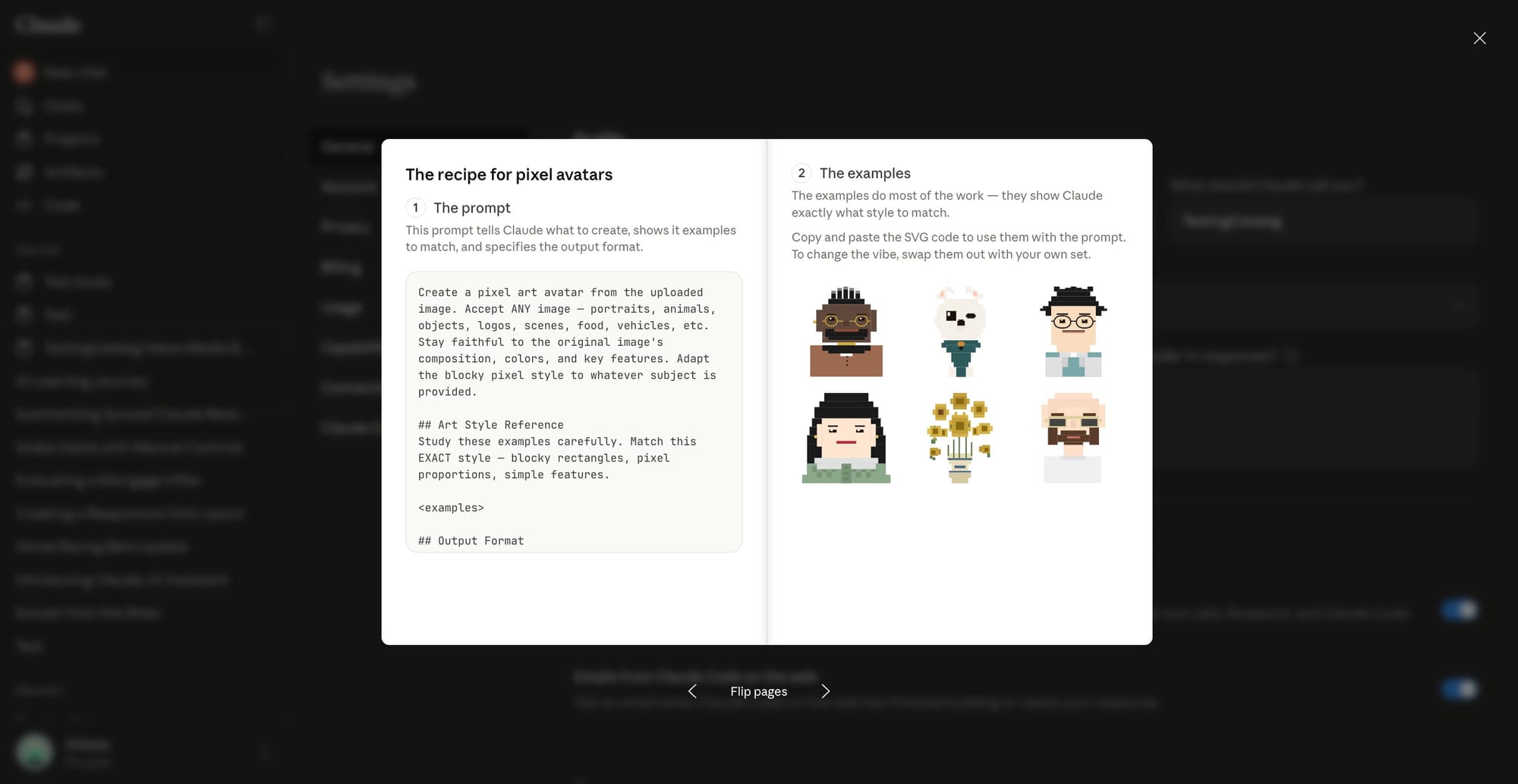
Anthropic is also developing a cosmetic upgrade in settings that converts uploaded images into pixel-style avatars. The flow includes a small “how it works” explainer styled as a book. This piece supports personalization inside Claude’s settings panel and would fit into Anthropic’s broader strategy of making the product feel more approachable while it expands into agent-driven territory.
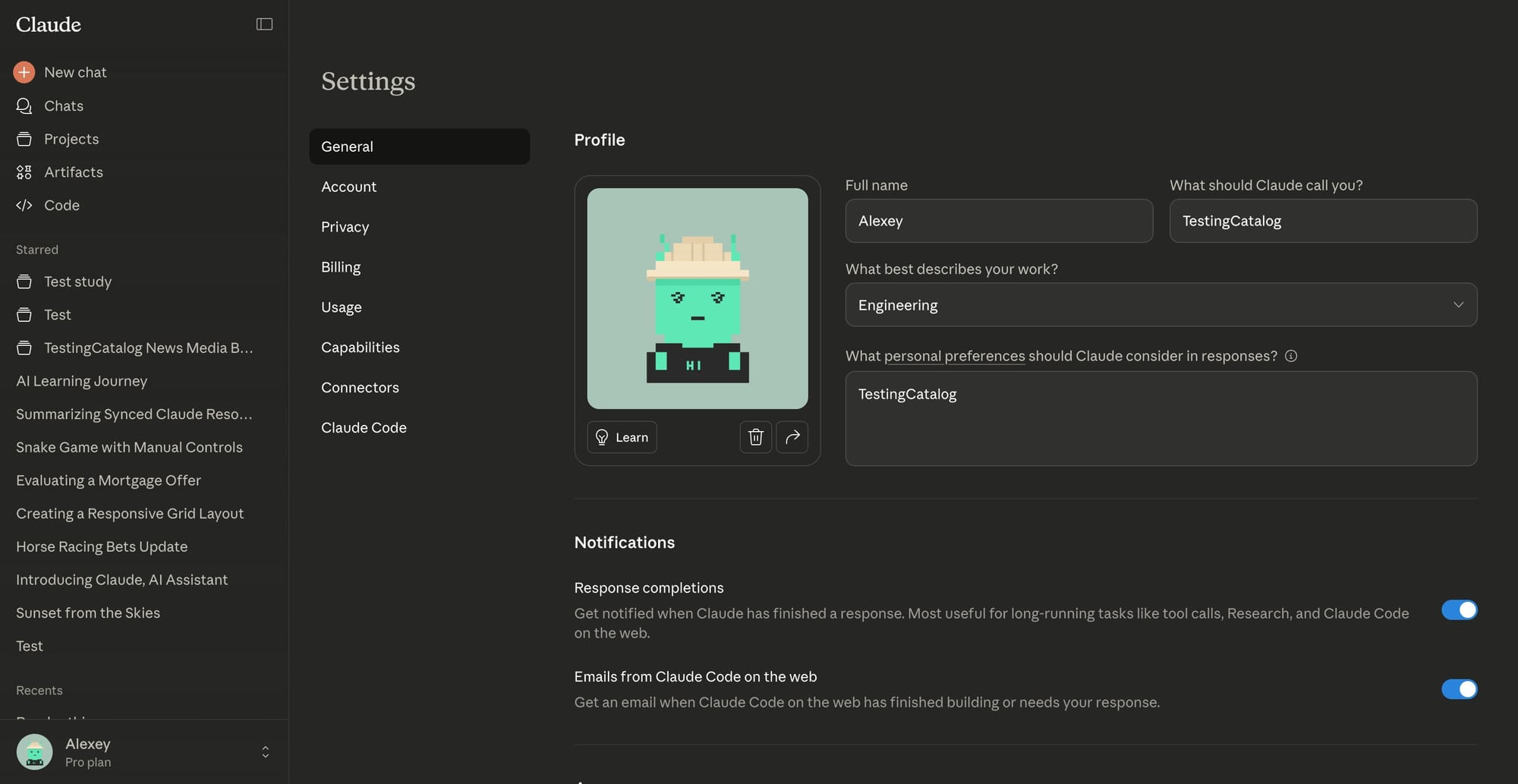
Taken together, these developments signal Anthropic’s direction: moving Claude from an AI chat assistant toward a task-execution platform while maintaining attention to user-facing polish. Whether these changes arrive in December remains uncertain, but their presence suggests they are moving toward public availability.


